Logistic Other

Trade flows shift as Middle East risks intensify


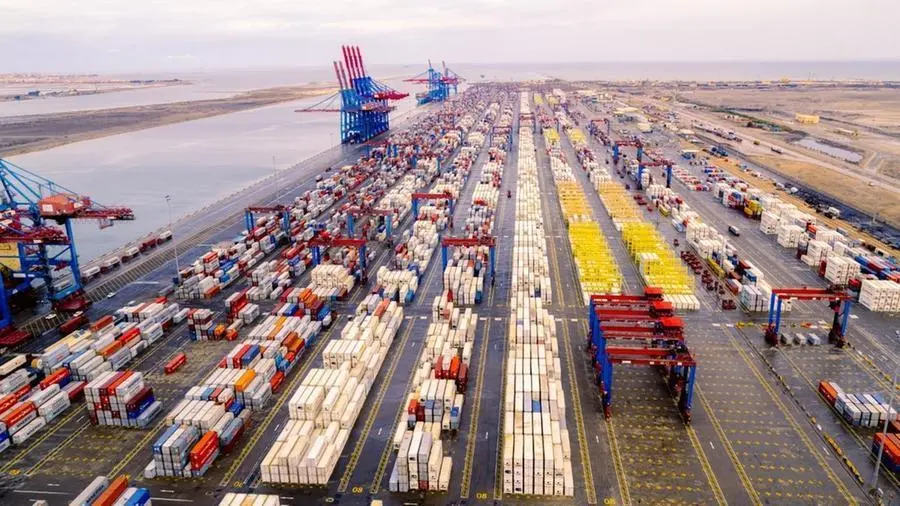
Heightened instability across the Middle East over recent days is beginning to filter through global freight markets, with oil prices climbing, insurers tightening conditions, and carriers reassessing routing decisions through key Gulf corridors.
The consequences have been immediately visible. Shipping lines are delaying departures, while others are opting for longer but lower-risk alternatives to preserve asset security and crew safety. These adjustments are extending transit times and absorbing vessel capacity across east–west trades.
Richard Fattal, Co-Founder and CEO at Zencargo, says the impact is moving quickly beyond the immediate area of disruption. “The rising tensions in the Middle East have affected everyday trade,” he explains. “Oil prices have risen, insurers are adding stricter conditions and some shipping lines are delaying journeys or choosing longer but safer routes around the Gulf.”
The combination of higher fuel costs and insurance premiums is pushing up voyage expenses at a time when carriers had been working to stabilise schedules and restore reliability following previous global supply chain shocks.
Schedule distortion and capacity
Extended sailing distances have immediate mechanical effects on capacity. When vessels remain at sea for longer, the effective size of the global fleet shrinks because ships are tied up on prolonged rotations. Fattal notes that this dynamic creates system-wide recalibration. “When routes are disrupted, the whole system has to adjust and it can take weeks, sometimes months, for schedules and equipment flows to return to normal,” he says.
Container shipping operates on tightly synchronised rotations, linking export hubs in Asia with distribution gateways in Europe and North America. When a single corridor slows, downstream port calls shift, berth windows change, and inland transport plans must be rewritten. “If this carries on, the result is fewer ships available where they’re needed, longer delivery times, higher transport costs, and less reliable schedules for both sea freight and air cargo,” Fattal adds.
The reduction in effective fleet availability tightens space allocations and increases short-term rate volatility. Exporters face uncertainty over equipment supply as container cycles lengthen and repositioning becomes more complex. Empty boxes take longer to return to origin markets, compounding pressure on availability in key manufacturing regions.
Air cargo networks are also feeling secondary effects. Time-sensitive shipments that would ordinarily move by sea are shifting to air, adding incremental demand to a market with finite freighter and bellyhold capacity. The resulting modal pressure increases exposure to rate spikes for urgent consignments.
Inventory recalibration and risk
Beyond transport pricing, the disruption is altering inventory strategy. Modern supply chains rely on predictable transit times to support lean stockholding models. When sailing windows become uncertain, buffer stock requirements rise. Fattal stresses that “this isn’t just a regional issue”, “In global shipping, when one part slows down, the impact is felt beyond the original hotspot.”
Global liner networks function as interdependent systems. Delays on one trade lane affect vessel cascades on others, altering capacity deployment patterns worldwide. Ports far removed from the Middle East corridor may experience schedule bunching as late-arriving vessels converge within compressed windows. Fattal urges shippers to take proactive steps, “While the full effects will become clearer in the weeks ahead, my advice for now is to build in extra time where you can, review inventory levels if you’re exposed, secure short-term capacity early if flexibility is limited, and consider alternative solutions for critical air or sea-air shipments.”
Building additional transit buffers can reduce exposure to missed delivery commitments. Reviewing inventory levels allows businesses to assess which product lines are most vulnerable to extended lead times. Securing short-term allocations before peak demand periods can mitigate exposure to tightening space and rate increases. For high-value or time-critical cargo, alternative routing strategies are gaining traction. Sea–air combinations via secondary hubs can preserve delivery timelines while limiting total freight spend compared to pure air solutions. Diversified port pairings can also distribute risk across multiple gateways.
Cost escalation and insurance
Energy markets are contributing additional volatility. Rising oil prices translate directly into higher bunker costs, which carriers pass through to shippers via fuel surcharges. Even incremental increases in per-barrel prices can materially affect landed costs across long-haul trades. Marine insurers are simultaneously recalibrating risk exposure, adding stricter conditions for voyages through designated zones. These adjustments introduce both financial and administrative complexity, particularly for smaller operators without long-term insurance agreements.
The combined effect of longer voyages, higher fuel consumption, insurance surcharges, and reduced schedule reliability creates a layered cost environment. Importers must factor not only headline freight rates but also inventory carrying costs and potential sales disruption.
A system under recalibration
Container shipping has spent the past two years rebuilding schedule reliability and rebalancing equipment flows. The current instability introduces a fresh stress test for that recovery. Fattal’s assessment highlights the structural sensitivity of global trade networks to corridor disruption. When transit times extend by even a matter of days, ripple effects move rapidly through vessel rotations, terminal operations, inland logistics, and aviation capacity.
Businesses that respond early by modelling exposure, adjusting lead times, and securing space allocations are likely to manage volatility more effectively than those that wait for clearer signals. For now, the market remains in adjustment mode. Routing decisions, insurer policies, and energy prices will determine the scale and duration of disruption. What is already evident is that trade flows are being recalibrated in real time.
As Fattal puts it, the system requires time to rebalance. The companies that plan for delay, build operational flexibility, and diversify logistics options will be better positioned to maintain continuity in an environment where regional instability has immediate global consequences.
Related Articles
South African table grape industry and Transnova A...
22 Oct, 2025 08:25
Spiro Raises US$100 Million in Africa’s Largest-Ev...
22 Oct, 2025 09:33
NXN and SAEED unite within Sharjah’s logistics sec...
24 Oct, 2025 07:48
TAHA Unveils HortiMarket A Digital Platform Revolu...
24 Oct, 2025 08:21
Chinese technology takes center stage at Ghana's t...
27 Oct, 2025 09:17
Kenya Airways flies first African route, from Nair...
27 Oct, 2025 09:23
Madbouly inaugurates $85mln DP World's logistics p...
27 Oct, 2025 12:56
Airbus cargo outlook shows 3.3% annual growth and ...
28 Oct, 2025 08:21
Nominations now open for the Logistics Saudi Award...
28 Oct, 2025 08:27