Generation

Minerals Council highlights Eskom supply, urges tariff reform



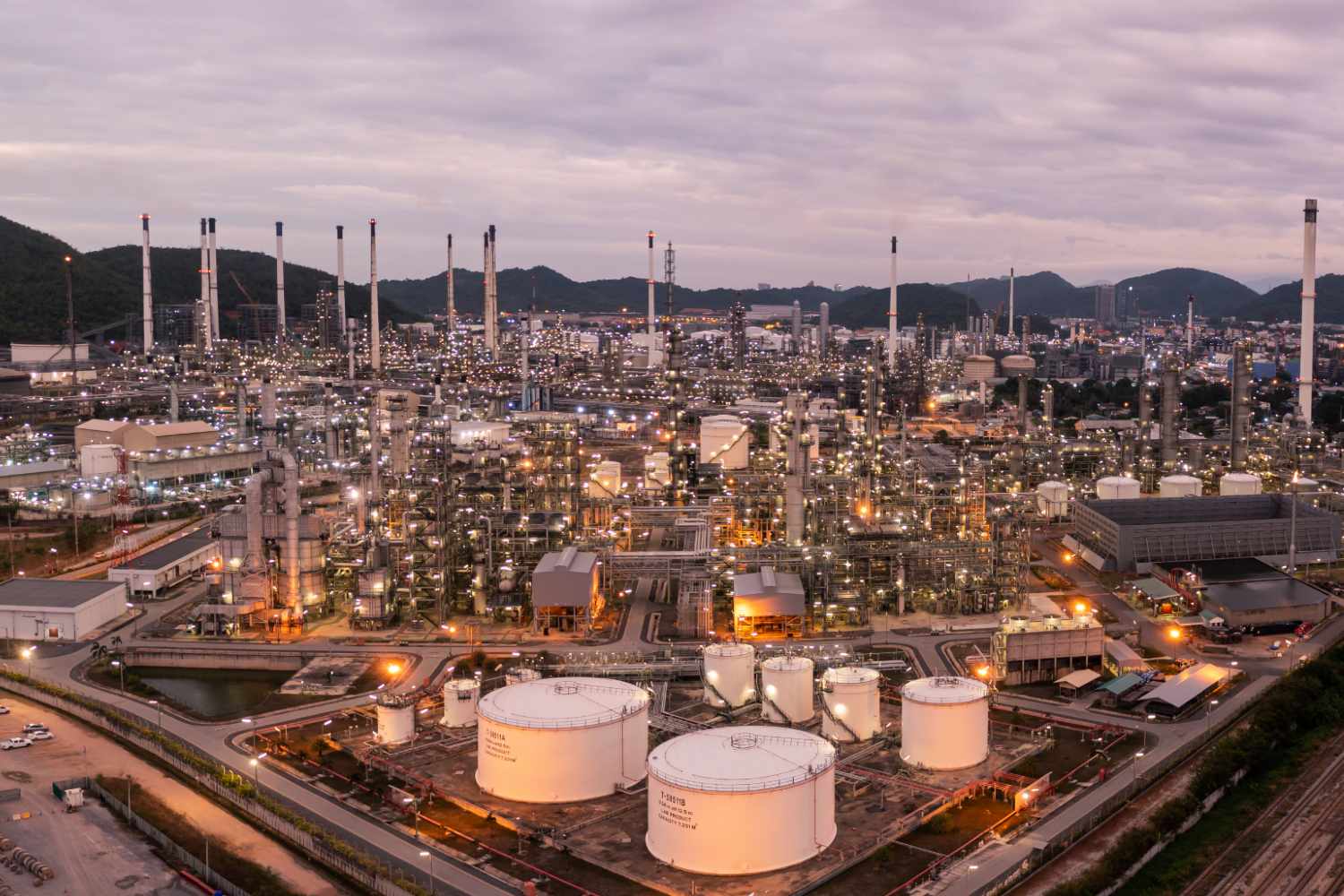
South Africa’s electricity supply has shown a marked improvement, with Eskom reporting an average Energy Availability Factor (EAF) of 68.5% in February 2026, slightly down from January’s 71.0% but still above the 68% target set in the Integrated Resource Plan (IRP) 2025.
Notably, Eskom did not deploy any Open Cycle Gas Turbines (OCGTs) in January or February 2026, with the last usage recorded in November 2025. The absence of peaking plant activity indicates that electricity supply has been sufficient to meet demand, with peak loads of 24,274 MW in January and 25,369 MW in February comfortably managed. Eskom also holds over 4,400 MW of cold reserves, reflecting a significant buffer in generation capacity.
Despite this, South Africa’s smelting sector remains under pressure from high electricity costs. Major ferrochrome producers have largely suspended operations pending agreements on more competitive tariffs. Discussions are ongoing between ferrochrome smelters, Eskom, the Department of Energy, and the Minerals Council to establish tariff structures that could allow the resumption of operations and improve global competitiveness.
Eskom continues to incur diesel expenditure due to Independent Power Producer (IPP) OCGT contracts under take-or-pay obligations, despite non-utilisation of its own OCGTs. These agreements, concluded during periods of severe supply shortages, require payment for committed capacity regardless of actual usage, and diesel usage in the coming weeks is expected to reflect the fulfilment of these contracts.
Data from Stats SA and the Minerals Council indicates that national electricity production continues a gradual decline. Seasonally adjusted generation fell by 6.1% year-on-year in January 2026, although month-on-month production increased 1.5%, reflecting subdued December demand. Overall, production remains below pre-pandemic levels—8.7% below the pre-COVID baseline and 12.4% lower than January 2019 figures. Contributing factors include structural shifts toward alternative energy sources, such as rooftop solar, gas, and backup systems, alongside gains in energy efficiency across households and industry.
André Lourens, Economist at the Minerals Council South Africa notes that improved supply conditions, highlighted by 294 consecutive days without load-shedding, reveal structural weaknesses in electricity demand. While Eskom has returned capacity to service and reduced unplanned breakdowns, past load-shedding has prompted households and businesses to invest in alternative energy solutions, permanently reducing reliance on grid-based electricity.
When looking ahead, electricity pricing will be influenced by four key factors: legacy contractual obligations, rising input costs and wages (with Eskom’s proposed 5.5% wage increase exceeding 2025 inflation of 3.2%), a supplier-centric Multi-Year Price Determination (MYPD) methodology, and the Eskom Retail Tariff Structural Adjustment (ERTSA), which emphasises recovery of fixed costs amid a growing shift toward embedded generation. The generation capacity charge alone is scheduled to rise by 20% in 2025/26, with a further 30% increase in 2026/27.
Lourens stresses that maintaining affordability and ensuring continued competitiveness for energy-intensive industries will require reforms to tariff methodology and urgent investment in transmission infrastructure. As coal-fired plants age and are decommissioned, expansion of the grid is critical to integrating renewable and nuclear generation and avoiding future system risks.
Related Articles

Parliament Committee says no need to review three ...
10 Sep, 2024 07:57
Zimbabwe’s Biggest Miners Seek $182 Million for So...
12 Sep, 2024 06:57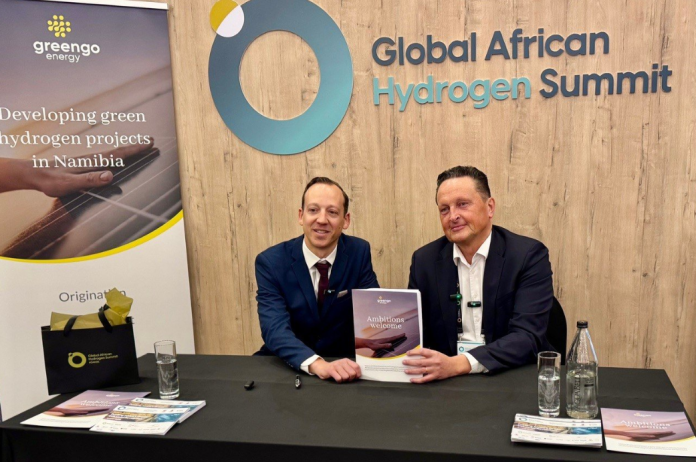
GreenGo Energy Expands into Namibia with Strategic...
12 Sep, 2024 07:51
OPEC Fund approves $1.2 billion for development pr...
13 Sep, 2024 08:59
Floating solar starts to gather pace in Africa, as...
13 Sep, 2024 13:18
Prominent South African energy company files for l...
16 Sep, 2024 11:00
Libyan Export Decline and Fed Speculation Propel O...
17 Sep, 2024 08:00
South Sudan says it is ready to restart pumping oi...
17 Sep, 2024 13:23
Interest grows in Africa’s oil and gas hotspot...
18 Sep, 2024 10:42