Logistic

How Kenya is shaping Africa’s logistics future


Kenya transforms into a logistics hub as trade, FDI, and global partnerships boost cargo flows, infrastructure, and supply chains.
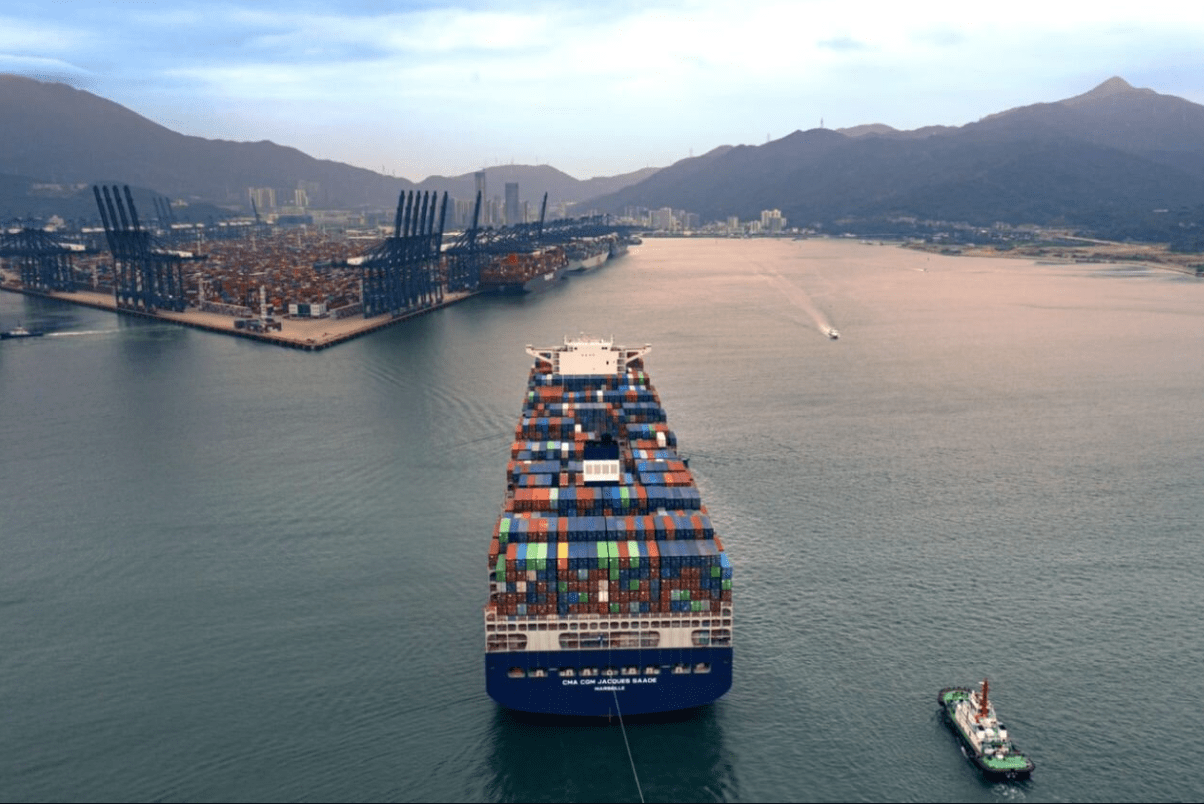
In 2025, Kenya finds itself at a defining moment in its economic story, where trade flows, investment inflows, and logistics capacity are intersecting to reshape the country’s position in the global supply chain. For decades, Kenya has been seen primarily as East Africa’s gateway, with the Port of Mombasa acting as the main artery of cargo movement for the region. But today, the country’s logistics sector is no longer just about being a transit corridor, it is evolving into a competitive hub in its own right.
This transformation is the result of multiple, interlinked forces. On one hand, Kenya’s policymakers have spent years laying the groundwork through deliberate reforms like strengthening institutions, digitising customs procedures, and pushing for investment in transport infrastructure like the Standard Gauge Railway (SGR) and road networks. On the other hand, the country has worked to expand its trade footprint through bilateral and multilateral agreements, most recently engaging in deeper discussions with the United States and Japan to enhance market access and investment opportunities. Simultaneously, the private sector has responded with bold investments in modern logistics parks, warehousing solutions, and technology-driven supply chain models.
Foreign Direct Investment: A steady ascent
Kenya's allure as an investment destination is underscored by the 2024 Foreign Investment Survey Report, which indicates a 13.3% increase in FDI assets, rising from KSh 328.9 billion ($2.53 billion) in 2022 to KSh 372.5 billion($2.87 billion) in 2023. This growth reflects a broader trend where 95% of Kenya’s cumulative FDI of $2.75 billion has been attracted post-2007.
Trade dynamics: Balancing imports and exports
Kenya's trade landscape in 2025 presents a complex picture. The total import value decreased from KSh 226.4 billion ($1.74 billion) in February 2024 to KSh 208.2 billion($1.6 billion) in the same month of 2025, signaling a contraction in import activities. On the other hand, export activities have shown resilience, with key sectors such as horticulture, tea, and coffee maintaining their prominence in international markets.
Infrastructure development: The backbone of trade
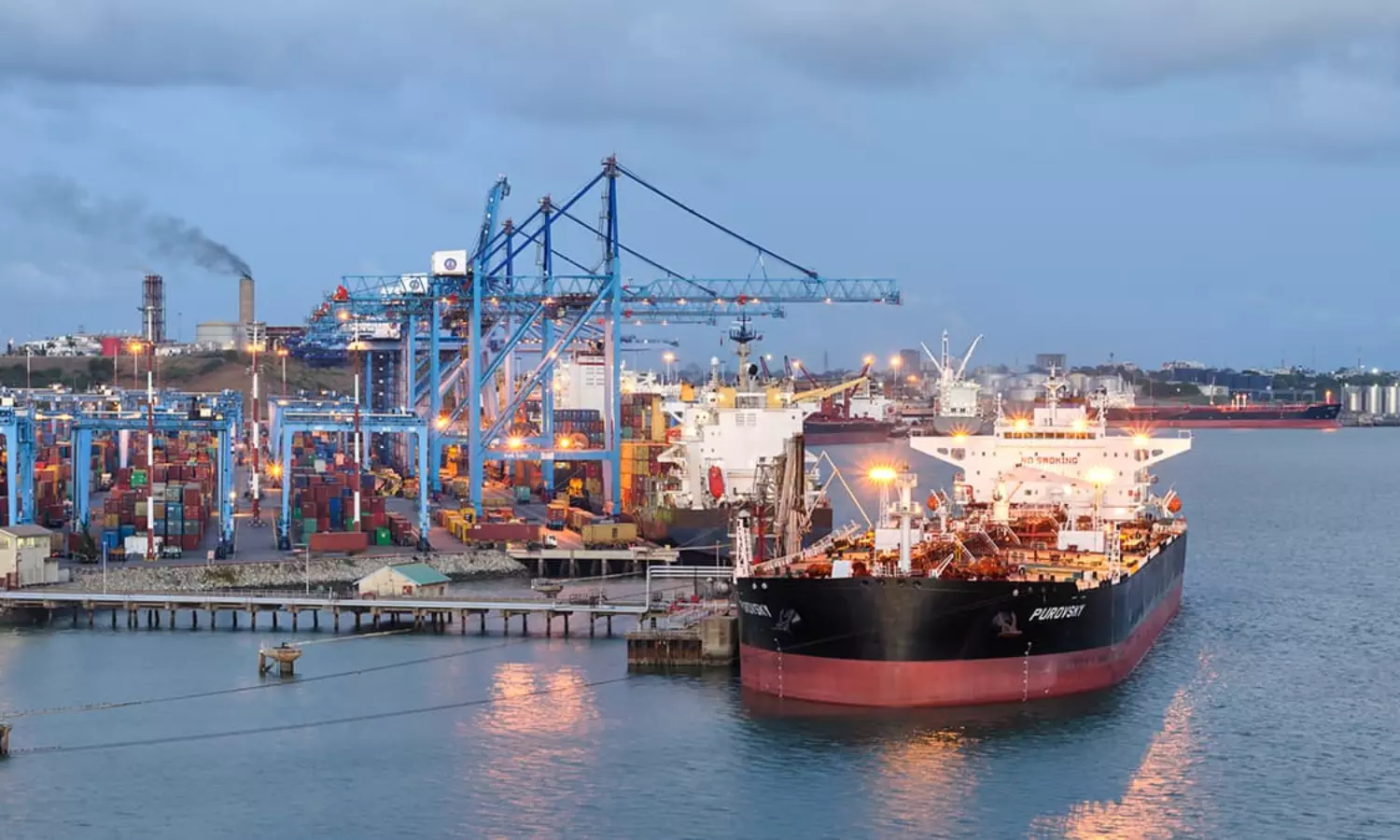
Infrastructure development remains central to Kenya's trade strategy. The Port of Mombasa, East Africa's primary maritime gateway, has experienced significant growth, handling 41.1 million tonnes of cargo in 2024, up from 35.98 million tonnes in 2023. This 14% increase underscores the port's expanding capacity and efficiency. Complementing this is the Standard Gauge Railway (SGR), which has seen a surge in freight volumes, reaching a 13-month high in March 2025.
Global partnerships: A gateway to new markets
Kenya's proactive approach to forging trade agreements with global powers like Japan and the United States is yielding tangible benefits.
At the Ninth Tokyo International Conference on African Development (TICAD 9), held in Yokohama, Japan, Kenya and Japan reaffirmed their commitment to deepening bilateral trade and investment relations. A significant outcome of the conference was the signing of a yen-denominated loan agreement, backed by Nippon Export and Investment Insurance (NEXI), aimed at supporting Kenya's vehicle assembly and energy sectors.
With the expiration of the African Growth and Opportunity Act (AGOA), Kenya has intensified efforts to establish a reciprocal trade agreement with the United States. In August 2025, Kenyan officials, including Trade Cabinet Secretary Lee Kinyanjui, engaged in high-level discussions with U.S. counterparts to explore new trade avenues.
The road ahead: Challenges and opportunities
While the prospects are promising, challenges persist. Infrastructure bottlenecks, regulatory hurdles, and global economic uncertainties pose risks to sustained growth. However, Kenya's commitment to reforms, coupled with strategic investments in infrastructure and human capital, positions it to navigate these challenges effectively.
Related Articles

China, Tanzania, Zambia sign initial agreement on ...
04 Sep, 2024 07:20
Arthur D. Little grows Middle East travel & transp...
05 Sep, 2024 08:16
Forum on "North-South" International Transport Cor...
05 Sep, 2024 10:29
APM Terminals to invest $115 million in Nigeria123...
06 Sep, 2024 13:37
Container spot rates drop 8%...
09 Sep, 2024 10:41
Africa Emerges as a Key Player in Global Airfreigh...
10 Sep, 2024 13:01
Shortlist spotlight 2024: Project Logistics Provid...
12 Sep, 2024 09:59
Logistics News ME’s September issue reflects on Em...
12 Sep, 2024 13:54
New Africa routes for SAA...
13 Sep, 2024 10:56