Energy Other

Oil shocks accelerate East Africa’s energy crossroads


The crisis in the Strait of Hormuz has forced East African leaders to rethink their energy policies from the ground up. Global oil chokepoints stay under severe pressure.
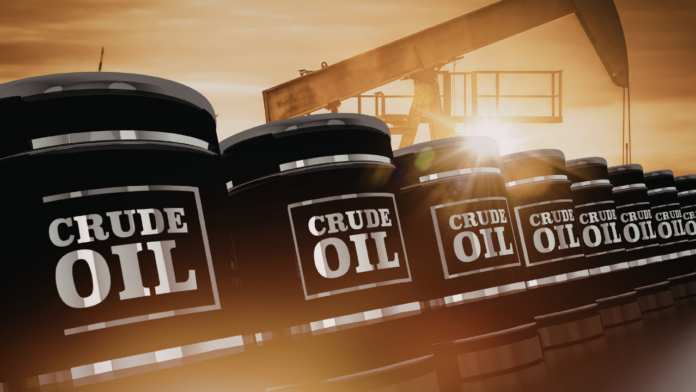
Brent crude has spiked above $100 a barrel many times in the weeks since the US-Israel attack on Iran on February 28, 2026. Against that backdrop, the “Africa We Build Summit” held in Nairobi this April showed the region’s emerging defensive strategy.
At the heart of the plan sits the Tanga Refinery Hub in Tanzania. Kenyan President William Ruto and Ugandan President Yoweri Museveni are positioned to drive this project. They aim to shield Kenya, Uganda, Tanzania, and the wider East African Community from global supply shocks by building a self-sustaining regional energy loop.
The leaders are wooing Nigerian industrialist Aliko Dangote to construct a large refinery on the Tanzanian coast.
This marks a break from the array of isolated national projects. The leaders now push for a unified regional system.
The 1,445km East African Crude Oil Pipeline (Eacop) will carry Ugandan crude from Lake Albert straight to Tanga. The refinery will process part of that oil into petrol, diesel and aviation fuel, while still exporting the heavier crude. President Ruto said that Kenya, Tanzania, and the Democratic Republic of Congo will also supply crude.
These finished products will then be pumped through an expanded Kenya Pipeline Company (KPC) network back into Kenya and onward to Uganda, creating a closed-loop distribution system.
This infrastructure sharing is reinforced by a significant shift in regional ownership, as Uganda’s recent acquisition of a 20.15 percent stake in KPC ensures that Kampala shares in the transit revenues, creating a vested interest in the success of the Kenyan-Tanzanian corridor.
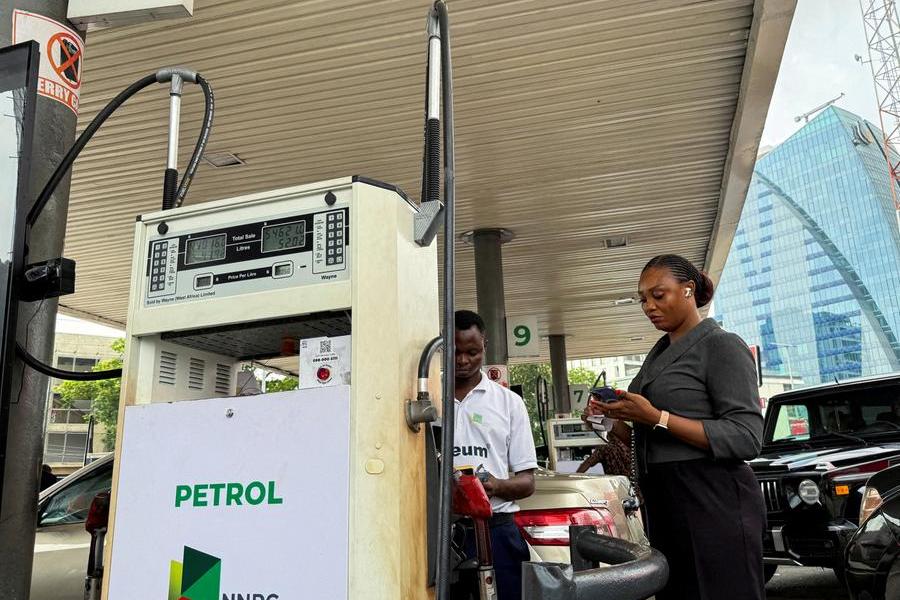
For Tanga and Eacop to make financial sense, they need sustained high global oil prices to cover their huge costs. The ongoing disruption in the Strait of Hormuz gives them exactly the breathing space they need. It makes local refined products competitive against expensive imports.
Yet a major danger looms. On April 29, 2026, the United Arab Emirates formally left Opec. The country cited the need for greater pricing and output flexibility. Analysts believe that once the Gulf conflict ends and the Strait reopens, the UAE and other producers will flood the market to shift their stockpiles.
Prices could crash to $35–$40 a barrel. Such a collapse would cripple these debt-heavy East African projects. They lack the cost advantages of Dangote’s already-built and largely paid-for Lagos refinery.
At the same time, the very oil shocks that are pushing the Tanga plan forward are accelerating Africa’s shift to renewables. Kenya has already decoupled most of its economy from fossil fuels.
Over 90 percent of its electricity now comes from renewable sources.
This reliable green power has triggered an electric mobility boom in Nairobi. Electric bus registrations jumped 400 percent in a single year as a direct hedge against petrol price swings.
Further south, South Africa pushes hard on its Just Energy Transition. Despite some Western partners pulling out, the remaining International Partners Group committed $13.7 billion in 2026 to modernise the grid and close coal plants.
In the private sector, South African companies installed more than 3,000MW of rooftop solar in 2025 alone to escape the national utility’s chronic instability.
Morocco has gone even further. The Xlinks Morocco-UK Power Project hit a key engineering milestone in 2026 on its 3,800-kilometre subsea cable. It will eventually send 3.6GW of wind and solar power straight to Britain; clean energy exports with no oil involved.
In North Africa, Algeria has started its “Solar 1,000” programme. It is installing 1GW of solar capacity every year to save natural gas for industry and export rather than burning it for domestic energy.
From Namibia’s green hydrogen pilot projects to Ethiopia’s massive hydro expansion and its ban on importing fossil-fuel cars, one can see the pattern: the more expensive and risky fossil fuels become, the faster Africa builds its green wall.
The real gamble for Ruto, Museveni and Dangote centres on whether they can finish this 20th-century industrial project quickly enough to survive the 21st-century energy transition. Uganda sits in the most delicate position. Unlike Kenya, it lacks a broad renewable base, and its economic hopes rest heavily on that 1,445km pipeline.
If leaders do not rush the project to completion while Hormuz keeps prices artificially high, the window for profitability could slam shut forever.
The blunt truth is that East Africa’s new oil infrastructure, while the case for it has never been clearer, currently depends on continued instability in the Gulf. A return to peace and a free-for-all market would trigger a price war that these projects might not survive.
The Tanga-Hoima loop, therefore, becomes a race against two clocks: the inevitable reopening of the Strait of Hormuz, which will bring a flood of cheap oil, and the relentless fall in the cost of solar, wind and batteries.
As Dangote told the Nairobi summit, Africa must industrialise to stop “exporting jobs and importing poverty”. The challenge lies in doing so with a fuel that much of the world, and growing parts of Africa, are already leaving behind.
Related Articles
South African rand falls to 3-month low as soaring...
09 Mar, 2026 08:35
NamPower warns N$700 million in unpaid bills threa...
17 Mar, 2026 08:20
Middle East oil becomes most expensive in the worl...
17 Mar, 2026 08:43
Libya’s NOC launches Faragh-Brega pipeline project...
17 Mar, 2026 09:32
TotalEnergies’ global output down 15% amid Middle ...
17 Mar, 2026 09:39
Why Ethiopia’s Gas-to-Fertilizer Bet Matters for E...
19 Mar, 2026 12:58
Alake Advocates Regional Hubs to Power Africa’s Mi...
23 Mar, 2026 10:09
NTPC, Africa50 Discuss Joint Power Projects and En...
23 Mar, 2026 10:24
India and Africa Advance Strategic Energy Partners...
23 Mar, 2026 10:29