Energy Other

IEA Warns Global Oil Inventories Could Reach Critical Levels This Summer


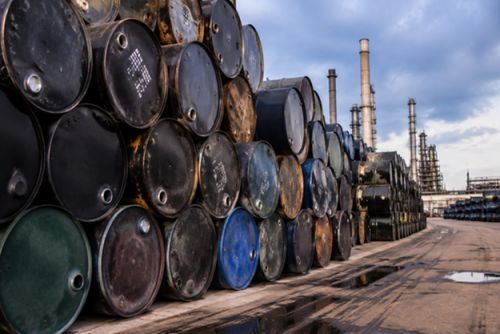
Global oil inventories could reach critical levels this summer, according to a warning issued by Toril Bosoni, head of the oil industry and markets division at the International Energy Agency (IEA), during the S&P Global Energy Conference in London on June 2.
“We’re seeing stock draws continuing into the summer, and with the possibility or the likelihood that we reach critical levels or historical low levels just ahead of the peak summer demand,” Bosoni said, according to comments reported by Reuters.
Global inventories have fallen by more than 250 million barrels between March and May 2026, a pace the IEA has described as record-breaking. Strategic reserves have dropped to about 365 million barrels, their lowest level in two years, according to OilPrice.
The closure of the Strait of Hormuz has removed about 10% of global oil supply since late February. Gulf producers have lost around 14 million barrels per day of output, with cumulative losses exceeding 1 billion barrels. The IEA expects global oil supply to decline by 3.9 million barrels per day on average in 2026.
Bosoni said the scale of the disruption remains significant.
Even if a peace agreement were reached today, reopening the Strait of Hormuz would take between six and eight months in the best-case scenario, she said during the conference.
Faced with that reality, another coordinated release of emergency reserves by the IEA remains possible, although no discussions are currently underway. Around half of the 400 million barrels released in March have yet to reach the market. Bosoni cautioned, however, that such releases are only a temporary measure and cannot resolve the underlying supply problem.
An unexpected balancing factor has come from weaker demand. High prices and a deteriorating economic outlook have reduced consumption. Chinese crude imports fell by 6 million barrels per day in May compared with March, according to the IEA.
Meanwhile, producers in the Americas have partially offset the supply shortfall. The United States, Argentina, Brazil, and Venezuela have all increased production. The IEA now expects oil supply in the region to grow by 1.5 million barrels per day in 2026.
As Ecofin Agency reported last month, IEA Executive Director Fatih Birol had already warned during a meeting of G7 finance ministers in Paris that commercial inventories were down to only “a few weeks of cover.”
Related Articles

South African rand falls to 3-month low as soaring...
09 Mar, 2026 08:35
Aramco’s 13% rally helps Saudi stocks post second ...
13 Mar, 2026 08:02
IEA Members Coordinate Historic Oil Stock Release ...
16 Mar, 2026 08:24
NamPower warns N$700 million in unpaid bills threa...
17 Mar, 2026 08:20
Middle East oil becomes most expensive in the worl...
17 Mar, 2026 08:43
Libya’s NOC launches Faragh-Brega pipeline project...
17 Mar, 2026 09:32
TotalEnergies’ global output down 15% amid Middle ...
17 Mar, 2026 09:39
Why Ethiopia’s Gas-to-Fertilizer Bet Matters for E...
19 Mar, 2026 12:58
Alake Advocates Regional Hubs to Power Africa’s Mi...
23 Mar, 2026 10:09