Energy Markets

IEA: Mideast crisis is history's biggest energy-security threat


By: OrePulse
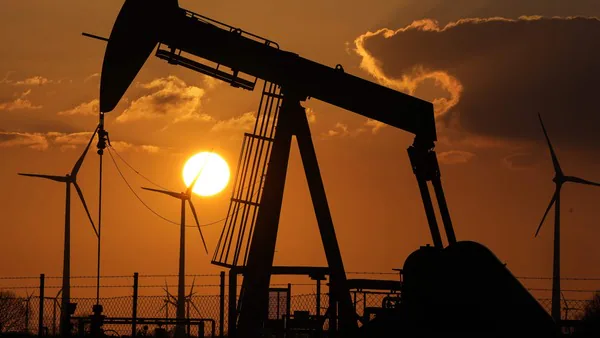
The International Energy Agency said Thursday that the ongoing Middle East crisis represents the largest threat to global energy security on record, in the foreword to its flagship World Energy Outlook 2026, released as the COP31 climate summit opened in Turkey.
IEA Executive Director Fatih Birol wrote that the disruption to oil and gas flows through the Strait of Hormuz is a threat "that dwarfs the scale of the oil shocks of the 1970s." The agency said consumers are increasingly absorbing the cost through higher prices as other buffers are depleted, and that the crisis will leave "lasting marks" on the global energy system, as earlier shocks did.
The disruption traces back to February, when the United States and Israel carried out strikes on Iran, according to the report. Iran subsequently moved to restrict shipping through the Strait of Hormuz and has targeted tankers transiting the waterway, which carried roughly a fifth of the world's seaborne oil trade before the crisis began. Gulf oil exporters have since struggled to move crude to international buyers, and efforts by foreign navies to escort vessels through the strait have not resolved the disruption, the IEA said.
Birol said producing countries have responded by redirecting more supply to market and using alternative export routes, while China has reduced its purchases from international markets. Governments have tried to shield consumers from the fallout, the IEA said, but many still face higher prices or, in some cases, outright shortfalls.
The outlook marks a shift in tone from Birol's comments in July, when he pointed to "several cushioning factors" supporting the oil market. In the new report, he said: "I don't see any credible pathway for the energy world to return to the way it was before," adding in a statement accompanying the release that "the longer the crisis lasts, the deeper the effects will be".
For this year's edition, the IEA added two new scenarios specifically modeling a prolonged Middle East crisis, on top of its standard three-scenario framework: a current-policies case, a stated-policies case that factors in announced but not-yet-adopted measures, and a pathway consistent with net-zero emissions by 2050. Under the stated-policies scenario, the IEA projects that global oil demand will peak around 2030 before beginning a slow decline, while gas demand continues rising until roughly 2035.
Egyptian news outlet Masrawy, citing the IEA report, said the disruption has cost the market an estimated 2.8 billion barrels of oil to date.
The World Energy Outlook is the IEA's most closely watched annual publication and is used widely by governments, companies and investors to plan energy and infrastructure spending. This year's framing of the Hormuz disruption as an unprecedented supply-security event is likely to influence how Gulf exporters and energy-importing countries in Africa plan around the risk of a prolonged crisis in the months ahead.
Related Articles
Oil prices jump 4.48 percent to $105.77 as Strait ...
11 May, 2026 08:49
Oil prices rise 0.72 percent to $104.96 as global ...
12 May, 2026 07:10
Oil prices drop 1.39 percent to $106.27 as Strait ...
13 May, 2026 07:51
Oil prices rise to $107 as China expresses interes...
15 May, 2026 06:55
Oil prices surge as Brent tops $111, WTI rises 2.2...
18 May, 2026 09:12
Oil prices fall over 2 percent as Trump signals Mi...
19 May, 2026 07:47
Brent drops 0.17 percent to $110.79 as WTI slips 0...
20 May, 2026 07:02
Oil prices rise above $105 as concerns persist ove...
22 May, 2026 07:33
Oil prices drop over 5 percent to two-week lows on...
25 May, 2026 07:44