
Rail

GCC states set to sign deal on 2,117km Gulf railway network plan


By: OrePulse
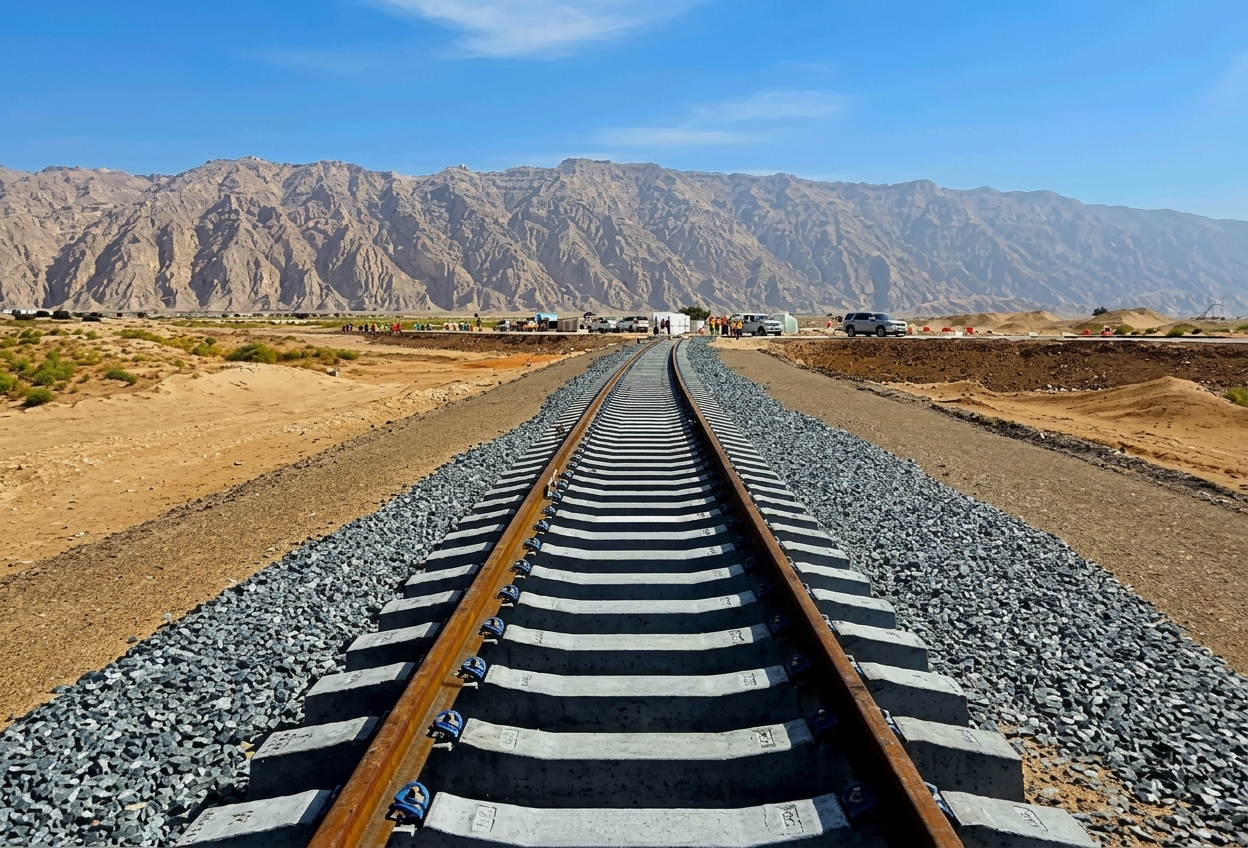
The six Gulf Cooperation Council states were scheduled to sign a General Railway Agreement in Bahrain on November 8, a regulatory milestone intended to pave the way for a planned 2,117-kilometer cross-border rail network linking the region.
The agreement was due to be signed at a meeting of GCC transport ministers in Manama. Bahrain's Minister of Transportation and Telecommunications, Sheikh Abdullah bin Ahmed Al Khalifa, said accelerating the railway project had become a regional priority, citing the importance of stronger transport links and more resilient regional supply chains.
The planned network, running from Kuwait in the north to Oman in the south, is scheduled to be fully operational by December 2030, according to regional transport officials, although completed cross-border sections could open to traffic earlier, per analysis cited in connection with the project. Passenger trains on the completed network are expected to run at speeds of up to about 200 kilometers per hour, while freight services are planned to operate at 80 to 120 kilometers per hour.
The railway is designed to connect ports, industrial zones and commercial markets across the six GCC member states, with the stated aim of lowering freight transport costs and improving the efficiency of cross-border trade. Signing the General Railway Agreement establishes a shared regulatory framework among the six states, a step officials describe as essential before construction and operational planning can proceed on a coordinated, cross-border basis.
Officials have cautioned that full implementation of the network will still depend on coordinating construction schedules, border crossing procedures and operational systems across six separate national jurisdictions, each of which has advanced its domestic rail infrastructure at a different pace. Some sections of track within individual GCC states are further along than others, and aligning technical standards, signaling systems and customs procedures across borders has been one of the project's longstanding challenges since it was first proposed more than a decade ago.
The General Railway Agreement is intended to formalize the governance structure for the network's cross-border operations, including matters such as safety standards, rolling stock interoperability and the allocation of costs and responsibilities among the member states. Regional transport officials have previously said the framework is a prerequisite for securing financing and coordinating construction timelines on the remaining, unbuilt sections of the network.
If completed on schedule, the Gulf railway would represent one of the most ambitious cross-border infrastructure projects undertaken by the GCC states, linking national rail systems that have so far developed largely in isolation from one another. Officials have cited the potential for the network to reduce reliance on road freight across the Arabian Peninsula, cut logistics costs for industrial exporters, and strengthen connectivity between the region's ports and inland markets.
No cost estimate for the full network was disclosed in connection with the signing, and officials did not name contractors responsible for the remaining unbuilt sections. The pace of construction on individual national segments will determine how much of the network is operational before the 2030 target date, officials have indicated.
The General Railway Agreement follows years of technical and diplomatic work among the six GCC states to align rail standards, after the project was first proposed as part of a broader regional push toward deeper economic and infrastructure integration. Earlier Gulf rail initiatives have at times faced delays tied to financing, differing national priorities and the technical complexity of linking separate rail systems that were originally built to different specifications and timelines.
Trade and logistics officials in the region have said a unified rail network could offer shippers an alternative to road and sea freight for moving goods between Gulf ports and inland markets, potentially easing congestion on some of the region's busiest highway corridors and reducing the transport-related emissions associated with road freight. Industrial exporters in sectors such as petrochemicals and building materials have also been cited as likely beneficiaries of lower-cost rail links once the network is built out.
Officials from several of the six states have said that completing border-crossing and customs arrangements will be as important to the network's eventual usefulness as the physical construction of the tracks themselves, given that goods moving across multiple GCC jurisdictions will need to clear a harmonized set of procedures rather than separate national customs regimes at each border.
Related Articles
Etihad Rail spotlights importance of local supplie...
05 May, 2026 08:40
South Africa allows 11 private firms to operate tr...
14 May, 2026 10:56
AD Ports builds new rail-linked inland logistics n...
25 May, 2026 12:30
Rail network statement 2.0 coming soon, says trans...
03 Jun, 2026 10:36
Traxtion Raises $86 Million to Expand Rail Fleet A...
05 Jun, 2026 11:29
Turkey plans to extend Hejaz railway to Oman...
05 Jun, 2026 11:58
Signing of a MoU between Cameroon, AGL and CAMALCO...
08 Jun, 2026 09:25
Saudi Arabia and Turkey to explore rail network ex...
10 Jun, 2026 12:50
Islamic Development Bank loans $800m for Turkey ra...
17 Jun, 2026 13:13