
Energy Markets

Egypt defers 5 of 15 Nov LNG cargoes to 2027 as costs double


By: OrePulse
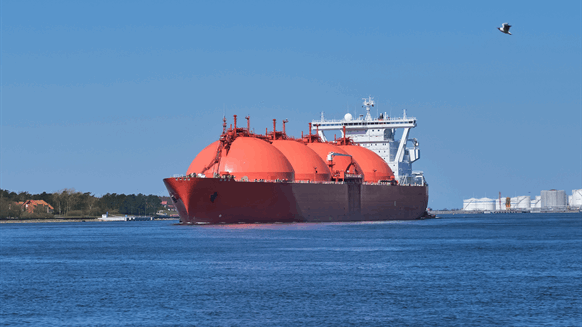
Egypt has asked liquefied natural gas suppliers to postpone five of the 15 cargoes scheduled for delivery in November until 2027, adding to roughly 15 LNG cargoes the country has already deferred since July, as it works to manage a sharply higher import bill tied to a regional conflict involving Iran earlier this year.
Egypt's Ministry of Petroleum had budgeted $10.1 billion for LNG imports in the fiscal year that began July 1, and had spent $5.8 billion of that amount by October 6. Egypt's overall oil and gas import bill rose by nearly $5 billion to about $35 billion in the fiscal year that ended June 30.
Domestic natural gas production continued to decline over the same period, falling to 3.63 billion cubic feet per day in August. The drop in output has left Egypt, one of the Mediterranean's largest gas consumers, increasingly reliant on imported LNG and pipeline gas to meet domestic demand, including for power generation.
QatarEnergy, one of Egypt's main LNG suppliers, has extended a force majeure declaration on deliveries through the end of December. Egypt has also continued to receive pipeline gas imports from Israel, which reached 1.20 billion cubic feet per day in August.
To help offset falling domestic output, Egypt has moved the bid submission deadline for 14 oil and gas exploration blocks to December 14, giving international companies more time to submit proposals. Among recent exploration results, Chevron reported a new discovery at the Nargis-2 well.
Egypt is also pursuing a parallel expansion of renewable energy capacity. Installed renewable capacity is targeted to reach 11.2 gigawatts by December, up from 9.5 gigawatts in July, as part of a longer-term plan for renewable sources to account for 45% of the country's electricity generation by 2028.
The combination of higher LNG costs, lower domestic output and extended supplier force majeure has added pressure to Egypt's energy budget during a period when the country has also sought to expand both fossil fuel exploration and renewable capacity to secure future supply.
Related Articles

Oil prices recoup losses, surge to $102.85 as supp...
17 Mar, 2026 08:01
Oil prices contract by 2.21 percent to $101.13 fol...
18 Mar, 2026 11:34
Oil prices rise to $107.34 as investors balance ge...
23 Mar, 2026 08:30
Oil prices rise 4 percent to $99.92 on renewed sup...
24 Mar, 2026 08:50
Oil prices plunge over 4 percent to $95.77 on easi...
25 Mar, 2026 08:12
Oil prices surge over 5 percent to $107 on Mideast...
02 Apr, 2026 08:38
Oil prices surge 0.59 percent to $109.67 as Strait...
06 Apr, 2026 07:40
Oil prices surge 1.65 percent to $111.58 following...
07 Apr, 2026 08:39
Oil prices plunge 13.61 percent to $94.40 followin...
08 Apr, 2026 08:27