Base Metals

DRC Copper Industry Expands as China, India and Tanzania Deepen Their Roles


By: Copper Belt Katanga Mining
The Democratic Republic of Congo’s copper industry is increasingly developing into a more complex regional value chain, challenging the simplified view that China extracts, India processes and Tanzania provides transport infrastructure.
While Chinese companies have a major presence in the DRC’s mining and processing industries, Indian-linked businesses are also active in the country’s metallurgical sector.
Tanzania, meanwhile, plays an increasingly important role as a transit hub for Congolese mineral exports and imports.
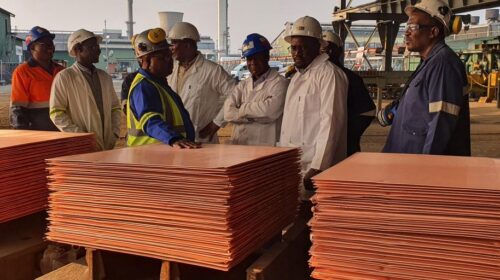
Chinese investment remains particularly significant across the DRC’s copperbelt. Several Chinese-backed companies are involved not only in mining but also in copper processing and refining, allowing a growing share of the country’s mineral output to undergo processing before export.
Indian-linked companies have also established a presence in the metallurgical segment, contributing to the diversification of foreign investment and technical expertise within the sector.
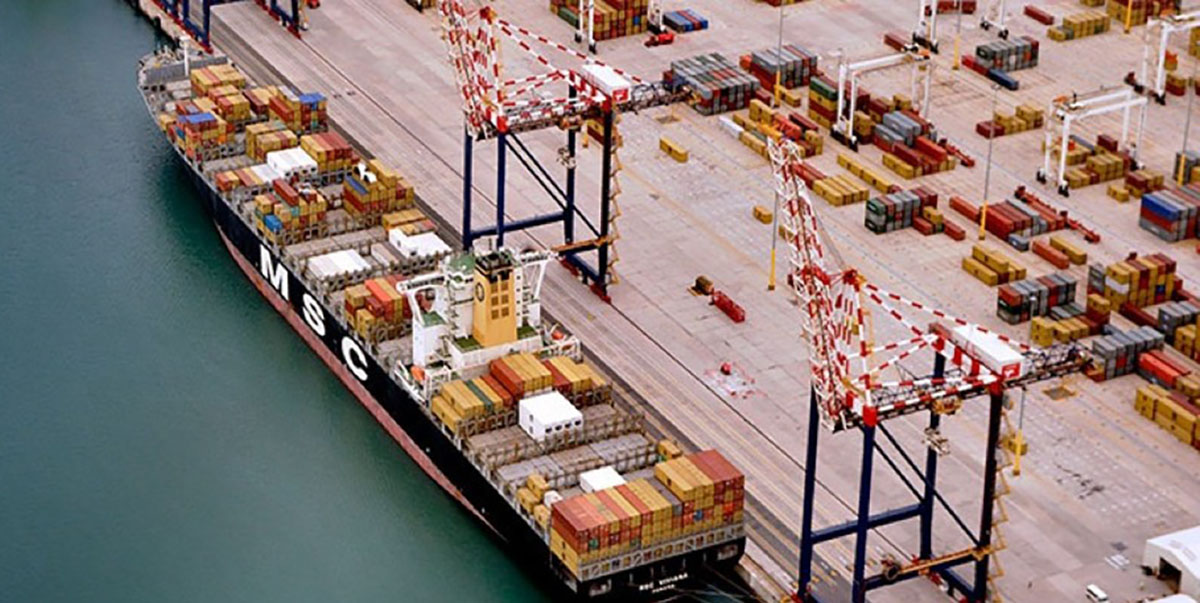
Tanzania’s role is different. Its importance lies largely in logistics and regional trade infrastructure, particularly through the Port of Dar es Salaam and the central transport corridor connecting Tanzania with the DRC.
The DRC has become one of the largest users of the Dar es Salaam route, with millions of tonnes of freight moving through Tanzania each year.
The corridor provides an important alternative to other export routes and is increasingly critical as copper production in the DRC expands.
The growing diversity of the copper value chain reflects the DRC’s expanding role in global copper markets.
The country is seeking to capture more value domestically by increasing processing capacity and strengthening infrastructure connecting mines to international markets.
At the same time, the development of multiple transport corridors is giving mining companies greater flexibility in moving copper and other minerals to global destinations.
The changing structure of the industry also highlights the increasingly international nature of the DRC’s mining sector.
Chinese capital, Indian industrial expertise and Tanzanian logistics infrastructure are all contributing to the movement of Congolese copper from mine sites to global markets, although their roles are not limited to those categories.
For the DRC, the key challenge will be ensuring that this growing network of international partnerships translates into greater local processing, industrial development, employment and value creation within the country.
As copper production continues to expand, the development of an integrated domestic and regional value chain could become increasingly important to the DRC’s ambition of becoming more than simply a major supplier of raw mineral resources.
Related Articles

Iran conflict disrupts China's Middle East steel e...
03 Mar, 2026 08:26
Emirates Global Aluminium's annual profit rises as...
03 Mar, 2026 08:42
Tumas Uranium Project technically ready for develo...
03 Mar, 2026 11:56
PDAC: Secure uranium sources key to fixing supply ...
04 Mar, 2026 10:42
DRC Mining Week Returns to Africa’s Largest Copper...
04 Mar, 2026 11:38
URU begins ground-based geophysical programme at S...
05 Mar, 2026 07:48
MMG eyes copper deals as profit more than triples...
05 Mar, 2026 08:46
Atomic Eagle increases uranium resources by 24% at...
06 Mar, 2026 09:10
Iron-ore extends rally on surging energy, rising f...
09 Mar, 2026 08:08