Energy Other

Dangote Group Sparks Debate On Africa’s Energy Independence As Global Supply Routes Face Growing Threats



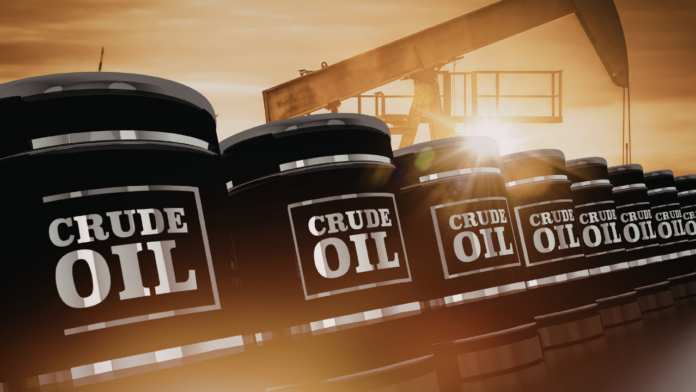
Fresh concerns over the security of global oil shipping routes are strengthening calls for Africa to accelerate domestic refining and reduce dependence on imported petroleum products, with the dangote Group emerging at the centre of a growing debate on the continent’s energy independence.
The discussion gained momentum after the group posted on X: “When global supply routes are threatened, every region must look inward. Africa now can.”
The statement comes at a time of heightened geopolitical tension around critical maritime corridors, particularly the Strait of Hormuz, one of the world’s most strategic oil transit routes.
The narrow waterway between Iran and Oman handles a significant share of global crude oil and liquefied natural gas shipments.
Repeated threats by Iran to disrupt traffic through the strait amid Middle East tensions have continued to unsettle global energy markets, raising fears of supply shortages and sharp increases in shipping and insurance costs.
Energy analysts say any major disruption in the Strait of Hormuz could trigger another wave of fuel price volatility across Africa, where several countries still depend heavily on imported refined petroleum products from Europe, Asia and the Middle East.
The concern has revived debate over Africa’s vulnerability to external supply shocks despite the continent’s vast crude oil reserves.
Industry observers argue that the emergence of large-scale refining projects, particularly the Dangote Refinery, is beginning to reshape that conversation.
The refinery, located in Lagos Nigeria, is increasingly being viewed by regional analysts as a strategic asset capable of reducing West Africa’s dependence on imported fuel and insulating regional markets from disruptions linked to distant global supply chains.
According to the African Energy Chamber, Africa’s long-standing reliance on overseas refining centres has weakened the continent’s energy security and exposed economies to persistent foreign exchange pressure and price instability.
Executive Chairman of the chamber, NJ Ayuk, has consistently argued that Africa must invest in domestic refining, petrochemicals and regional energy infrastructure to maximise value from its natural resources and strengthen supply resilience.
Analysts note that recent disruptions in the Red Sea shipping corridor have already demonstrated how quickly geopolitical tensions can affect energy logistics.
Attacks on commercial vessels forced many shipping companies to reroute cargoes around southern Africa, resulting in longer delivery timelines and higher freight charges.
For African importers, the impact and additional pressure on already fragile currencies. translated into rising fuel import costs
Energy economist Kelvin Emmanuel has argued that local refining capacity could help African economies conserve foreign exchange, stabilise domestic fuel supply and reduce exposure to international logistics disruptions.
Analysts at the International Energy Agency have also emphasised the importance of regional refining hubs in improving energy security across emerging economies.
Beyond refining, experts say Africa’s broader energy resilience will depend on strengthening storage infrastructure, pipelines, marine terminals and cross-border distribution networks.
The African Continental Free Trade Area is expected to support that effort by easing regional trade barriers and facilitating the movement of refined petroleum products across African markets.
Natural gas is also increasingly being viewed as part of Africa’s energy security strategy. Countries such as Nigeria, Algeria, Egypt and Mozambique are expanding gas infrastructure to support power generation and industrial growth while reducing dependence on imported fuels.
Related Articles
South African rand falls to 3-month low as soaring...
09 Mar, 2026 08:35
NamPower warns N$700 million in unpaid bills threa...
17 Mar, 2026 08:20
Middle East oil becomes most expensive in the worl...
17 Mar, 2026 08:43
Libya’s NOC launches Faragh-Brega pipeline project...
17 Mar, 2026 09:32
TotalEnergies’ global output down 15% amid Middle ...
17 Mar, 2026 09:39
Why Ethiopia’s Gas-to-Fertilizer Bet Matters for E...
19 Mar, 2026 12:58
Alake Advocates Regional Hubs to Power Africa’s Mi...
23 Mar, 2026 10:09
NTPC, Africa50 Discuss Joint Power Projects and En...
23 Mar, 2026 10:24
India and Africa Advance Strategic Energy Partners...
23 Mar, 2026 10:29