Energy Other

Algeria and Libya see gains from Iran conflict but time is of essence


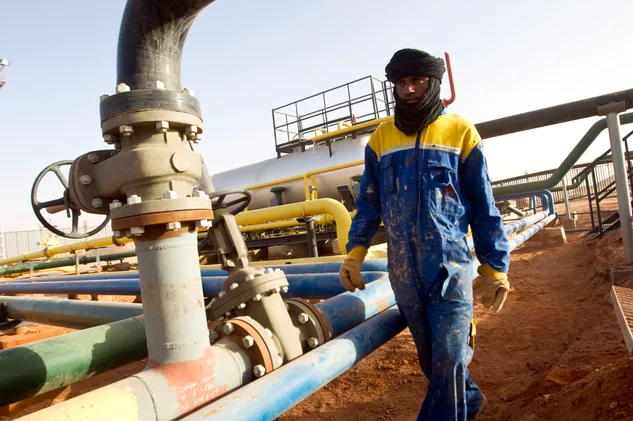
Algeria and Libya are working to boost oil and gas output as their long-standing efforts in this domain gain urgency amid the Iran conflict and its disruption of global energy flows.
The two North African nations have an opportunity to expand exports, particularly of natural gas to Europe, but they will see returns only if they act in a quick and targeted manner, analysts have said.
The US-Israeli war against Iran has damaged energy infrastructure across the Gulf and effectively stopped tanker traffic through the Strait of Hormuz, which normally funnels a fifth of global oil and liquified natural gas, forcing widespread production shut-ins.
Against a tenuous ceasefire and uncertain prospects for a permanent resolution, countries globally are reassessing their energy security postures, said Laury Haytayan, director for the Middle East and North Africa at the Natural Resource Governance Institute.
“Everyone is thinking, if I have one dollar, where should I put that one dollar that makes sense for the future?” she said.
Options include new pipelines for oil and gas to bypass Hormuz, a fresh push toward renewables, or new fossil-fuel projects outside the Gulf, Haytayan added.
“This is where countries like Algeria and Libya come in,” she said, noting how both have mature energy industries but need investments to expand capacity. Libya especially also struggles with security and governance.
Algeria was the world’s ninth-largest natural gas producer in 2023, and the 14th largest for crude, according to the International Energy Agency. Libya ranked 17th among oil producers and 50th for natural gas output.
They both have vast untapped potential. Algeria’s exports are constrained, however, by rising domestic demand for gas, existing facilities running at full speed, and declining productivity in older fields.
In Libya, 15 years of civil war and tumult keep the country volatile, divided between Tripoli’s internationally recognised government and a rival administration in the east. This split limits its appeal for foreign investment.
The Iran conflict and collapse of Gulf oil and LNG supplies present an opening for both to accelerate their desired energy expansions.
Algeria offered seven oil and gas blocks earlier this week in a new licensing round slated to conclude by January 2027.
Libya’s National Oil Corporation started trialling last week the first tranche of a gas pipeline that should eventually cover the 130km from the Farigh field to facilities on the Mediterranean Sea.
Before the Iran war started, Libya also awarded new oil and gas blocks to foreign majors such as Chevron, Eni and QatarEnergy in its first round in 20 years.
Roberto Cardarelli, an International Monetary Fund (IMF) official, cited Algeria and Libya among the “winners” from the Iran conflict at the IMF spring meetings in Washington last week.
“They have the windfall from the energy crisis,” he said. “They’re going to have more demand for their production to satisfy the needs from Europe in particular.”
The IMF revised growth projections up by 2.5 percentage points for Libya and nearly 1 percentage point for Algeria, though it called the upsides “highly uncertain”.
Benefits later
Anne-Sophie Corbeau, from the Center on Global Energy Policy in Paris, said Libya’s piped gas exports have been low and sliding, and are unlikely to turn a corner until Eni’s $8 billion offshore development comes online in late 2027.
“The short answer is that they won’t be able to benefit from it right now, but later,” she told AGBI.
Algeria’s gas exports have been rising as Italy and Spain seek more deliveries via the TransMed and Medgaz pipelines, respectively, to counter suspended supplies of Qatari LNG, Corbeau added.
For Libya’s and Algeria’s bids to be successful, timing and precision will be key, according to Haytayan.
Investments that hike production and exports in a speedy and well-calibrated fashion can bolster their market share.
But wait too long, or overdo it, and the curve of European gas demand may fall again as the EU and UK double down on renewables to escape the second energy shock in four years, the first from Russia’s invasion of Ukraine. Or cheaper Gulf supplies come back online as Hormuz reopens or alternative routes are found.
“Then it might be a risky investment,” she said.
Related Articles
South African rand falls to 3-month low as soaring...
09 Mar, 2026 08:35
NamPower warns N$700 million in unpaid bills threa...
17 Mar, 2026 08:20
Middle East oil becomes most expensive in the worl...
17 Mar, 2026 08:43
Libya’s NOC launches Faragh-Brega pipeline project...
17 Mar, 2026 09:32
TotalEnergies’ global output down 15% amid Middle ...
17 Mar, 2026 09:39
Why Ethiopia’s Gas-to-Fertilizer Bet Matters for E...
19 Mar, 2026 12:58
Alake Advocates Regional Hubs to Power Africa’s Mi...
23 Mar, 2026 10:09
NTPC, Africa50 Discuss Joint Power Projects and En...
23 Mar, 2026 10:24
India and Africa Advance Strategic Energy Partners...
23 Mar, 2026 10:29