Logistic Other

What a US-Iran breakdown would mean for global shipping


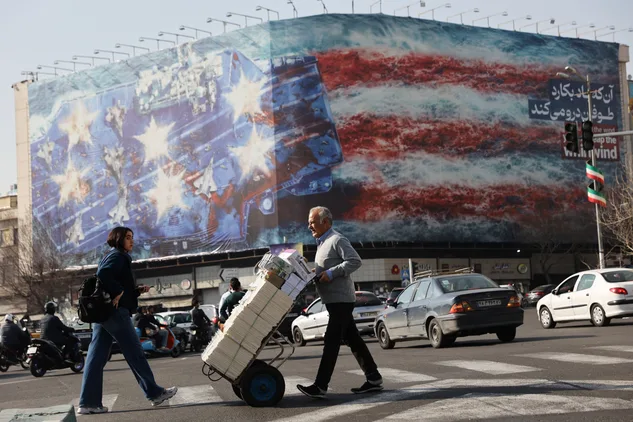
The Strait of Hormuz, the narrow passage between Iran and Oman, is one of the world’s most critical conduits for international trade. It is once again at the centre of a geopolitical stand-off with serious implications for global shipping.
Amid ongoing talks over a possible nuclear deal, the US and Iran have sought to strengthen their negotiating positions by escalating rhetoric and bolstering military options.
The US has dispatched what President Donald Trump calls “a massive armada” of ships, while Iran temporarily closed part of the strait on Tuesday for naval exercises.
Despite years of threats, this is the first time since the 1980s tanker war that Iran’s military has even partially closed the passage.
Trump has said the world will know “over the next, probably, 10 days” whether Washington and Tehran will reach an agreement.
In recent weeks, a series of incidents suggest Iran is intent on raising the stakes. On February 3 as reported by CNN, Iranian vessels harassed the US-flagged tanker Stena Imperative and threatened to board it, only standing down after a US destroyer and warplanes intervened. On the same day, an Iranian drone approached the USS Abraham Lincoln carrier group before being shot down.
On February 5, Iran’s Islamic Revolutionary Guard Corps boarded and detained two foreign-crewed tankers, according to The Times of Israel, accusing their operators of oil smuggling – though the identities of the vessels have yet to be released.
Conflict may also strip ports of their ‘safe port’ status, as shipowners can argue that conditions are too dangerous to comply with charterers’ orders
The renewed tensions led the US Department of Transportation’s Maritime Administration to warn US-flagged shipping to stay as far away from Iranian territorial waters as possible. “When transiting eastbound in the Strait of Hormuz, it is recommended that [US] vessels transit close to Oman’s territorial sea.”
The agency has also said that if Iranian forces attempt to board a ship, the captain should decline permission but not offer resistance.
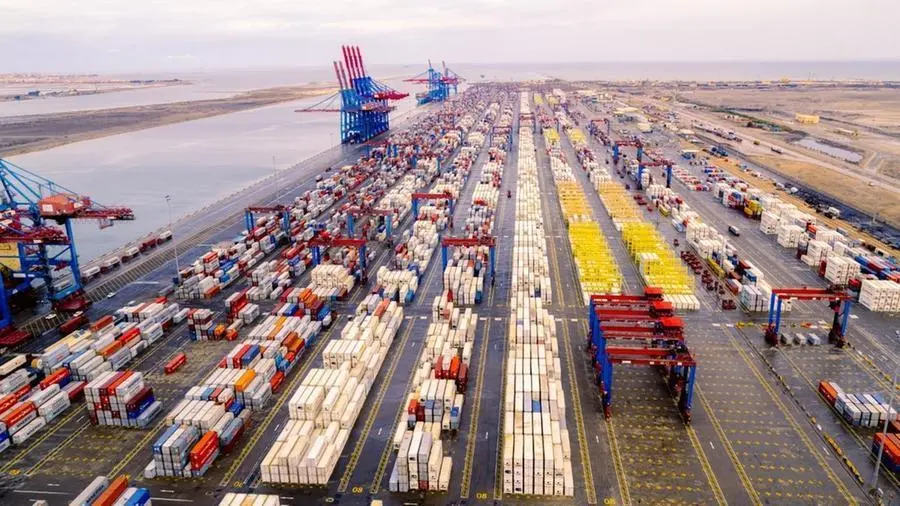
The International Energy Agency estimates that 20 million barrels of crude oil pass through the strait daily, representing about 25 percent of global seaborne oil trade. Nearly all of Qatar’s and the UAE’s LNG exports are routed through the chokepoint, along with 2-3 percent of global container traffic.
Hormuz is also a vulnerable access point for Iran’s transport network. Its main port, Bandar Abbas, a gateway for much of the country’s food imports and oil exports, sits on the north side of the strait, leaving it exposed to shipping disruption.
China, a major market for Iranian oil, has likely applied pressure to keep the waterway open.
A core issue for shipping, should Iran attempt to close the strait, is war risk. Even if Iran is unable to impose a full blockade, attacks on Western-owned vessels or those trading with Israel could trigger higher insurance costs.
Premiums for ships travelling to the Gulf rose in June last year, following joint US-Israel attacks on Iran, from 0.125 percent of the value of a vessel to 0.2 percent, according to insurer Marsh McLennan. Amid the latest rise in tensions, these premiums are now even higher – between 0.2 percent and 0.5 percent. Some UK-, US- or Israeli-owned ships struggle to get insurance cover at all.
Conflict may also strip ports of their “safe port” status, as shipowners can argue that conditions are too dangerous to comply with charterers’ orders. Chartered vessels account for up to 40 percent of the global shipping fleet, making this a serious problem for major shipping lines, according to consultancy Alphaliner.
As maritime insurer Skuld noted in June last year: “Should hostilities spill over to the marine space or should Iran make credible threats to attack commercial vessels transiting Hormuz, there would be an increasingly cogent argument that ports in the vicinity are unsafe.”
While US-Iran talks continue, the risk to international shipping remains low. However, with the scaling up of US military assets in the region, any breakdown of negotiations may result in escalation.
Iran’s response to any renewed strikes remains difficult to predict, particularly following weeks of domestic unrest.
Attacking Western vessels or even closing the strait completely may be conceivable if regarded as a last option. The scale of recent US military deployments suggests this threat is being taken seriously.
Related Articles
South African table grape industry and Transnova A...
22 Oct, 2025 08:25
Spiro Raises US$100 Million in Africa’s Largest-Ev...
22 Oct, 2025 09:33
NXN and SAEED unite within Sharjah’s logistics sec...
24 Oct, 2025 07:48
TAHA Unveils HortiMarket A Digital Platform Revolu...
24 Oct, 2025 08:21
Chinese technology takes center stage at Ghana's t...
27 Oct, 2025 09:17
Kenya Airways flies first African route, from Nair...
27 Oct, 2025 09:23
Madbouly inaugurates $85mln DP World's logistics p...
27 Oct, 2025 12:56
Airbus cargo outlook shows 3.3% annual growth and ...
28 Oct, 2025 08:21
Nominations now open for the Logistics Saudi Award...
28 Oct, 2025 08:27