Energy Other

South Africa’s G20 presidency is over – what did it achieve for climate and clean energy in Africa?


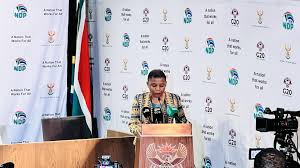
A G20 presidency extends far beyond a single summit; it constitutes a series of dialogues among nations representing 78.9% of the global population. In her analysis, energy and climate policy researcher Britta Rennkamp examines South Africa’s 2025 G20 presidency, which opened with themes of solidarity, equality, and sustainability. While the presidency hosted 177 meetings and achieved specific outcomes—such as adding environmental crime to the G20 agenda—its final declaration was often vaguely worded on critical climate issues.
Rennkamp argues that the presidency was a mixed diplomatic success. It reinforced solidarity by recognizing Africa’s unique climate vulnerabilities and the principle of common but differentiated responsibilities, whereby high-emission nations should support Africa with funding and technology. On equality, it launched a voluntary clean cooking initiative but failed to explicitly address energy poverty or advance just transition principles from the previous year. Regarding sustainability, it highlighted Africa’s debt crisis and the need for affordable clean energy finance but omitted any mention of phasing out fossil fuel subsidies—a goal first set in 2009.
The handover to the 2026 US presidency was strained, marked by the US boycotting the summit and subsequently disinviting South Africa from future engagements. The article concludes that the ongoing responsibility to uphold the themes of solidarity, equality, and sustainability for Africa now rests with the remaining G20 members.
Related Articles
Kuwaiti oilfield comes onstream officially after 1...
22 Sep, 2025 12:56
African Energy Week (AEW) 2025: Unlocking the Pote...
22 Sep, 2025 13:22
South Africa warns illegal car imports threaten ne...
23 Sep, 2025 06:31
South Africa Confronts EU Carbon Border Mechanism...
23 Sep, 2025 12:33
South Africa, China Deepen Investment Ties in Key ...
24 Sep, 2025 07:35
Raysut Cement’s Expansion into Libya and North Afr...
24 Sep, 2025 07:40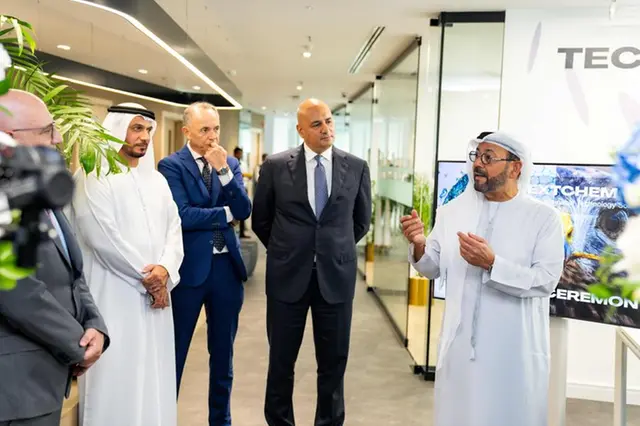
Nextchem opens regional office in Abu Dhabi...
24 Sep, 2025 08:10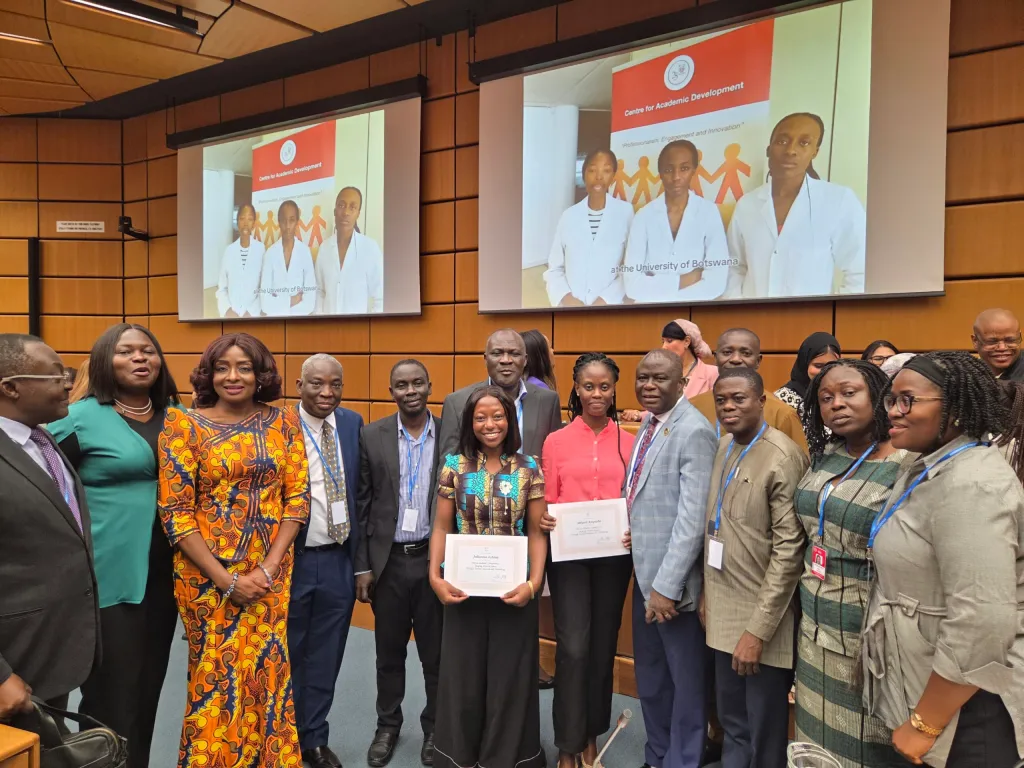
Ghanaian students win top honours in IAEA’s Female...
24 Sep, 2025 09:32
Key Sectors Linking Mauritania and Gambia...
24 Sep, 2025 09:40