Logistic Other

SA’s Transnet signs MoU with Antwerp partners to improve logistics performance



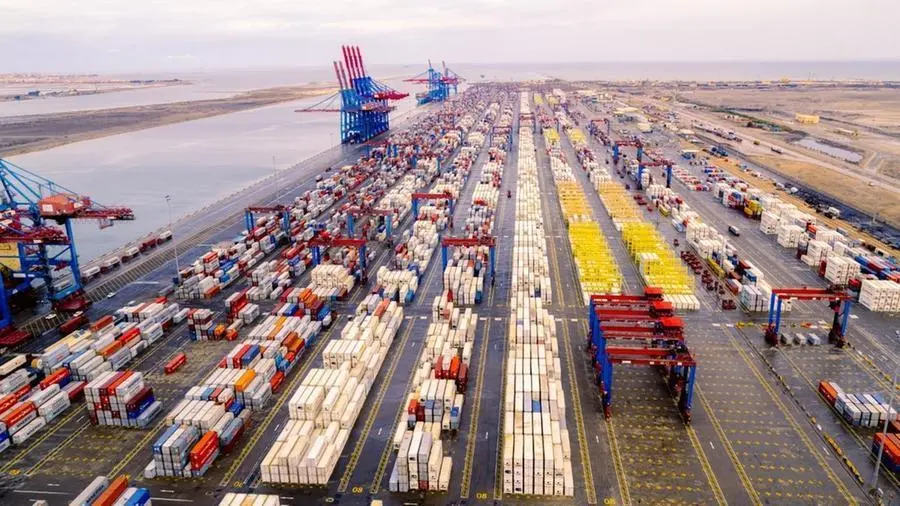
South Africa’s state-owned logistics group Transnet signed a memorandum of understanding last week with Port of Antwerp-Bruges International (PoABI) and the Antwerp/Flanders Port Training Center (APEC). The South African group seeks to improve the operational efficiency of its facilities and strengthen the country’s regional logistics competitiveness.
The agreement sets out a cooperation framework covering port operational performance, digitalization, sustainability, infrastructure planning, and the development of regional corridors. It also includes collaboration on the development of inland corridors and international investment programs, notably opportunities linked to the European Union’s Global Gateway initiative. The initiative seeks to mobilize funding for sustainable infrastructure worldwide, with a focus on digital, energy, transport, health, education, and research sectors.
The partnership comes as South Africa’s logistics system remains under strain. Transnet, which manages the country’s ports, rail network, and pipelines, is currently implementing a recovery program for the national logistics system. The system has been weakened for more than a decade by underinvestment, governance challenges, and repeated acts of vandalism targeting infrastructure and equipment. According to the company’s 2023/2024 annual report, these constraints have weighed heavily on several key sectors.
The automotive industry, in particular, has seen its supply chain disrupted, undermining its international competitiveness. In the mining sector, rail and port bottlenecks limited iron ore exports to 55 million tons in 2023. As a result, South Africa lost its position as the world’s third-largest iron ore exporter to Canada. Iron ore export sales also fell by 6.7% over the year.
If fully implemented, the agreement with the Belgian port institutions would complement a series of reforms launched over the past two years to revive South Africa’s logistics sector. These include the specialization of certain logistics platforms and the gradual liberalization of the rail sector. However, the arrangement remains a memorandum of understanding, which sets out a framework for cooperation without constituting a binding contractual commitment on specific investments or projects. The concrete implementation of the announced measures will depend on the conclusion of subsequent agreements and on operational and financial conditions.
Related Articles
South African table grape industry and Transnova A...
22 Oct, 2025 08:25
Spiro Raises US$100 Million in Africa’s Largest-Ev...
22 Oct, 2025 09:33
NXN and SAEED unite within Sharjah’s logistics sec...
24 Oct, 2025 07:48
TAHA Unveils HortiMarket A Digital Platform Revolu...
24 Oct, 2025 08:21
Chinese technology takes center stage at Ghana's t...
27 Oct, 2025 09:17
Kenya Airways flies first African route, from Nair...
27 Oct, 2025 09:23
Madbouly inaugurates $85mln DP World's logistics p...
27 Oct, 2025 12:56
Airbus cargo outlook shows 3.3% annual growth and ...
28 Oct, 2025 08:21
Nominations now open for the Logistics Saudi Award...
28 Oct, 2025 08:27