Energy Markets

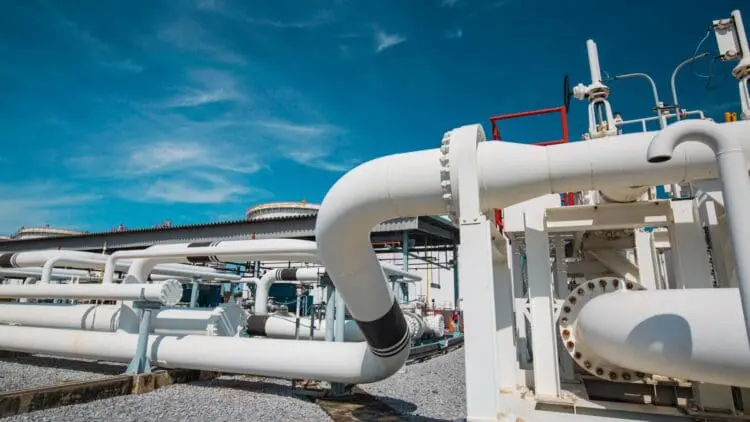
Oil prices rise to $71 but remain set for weekly decline as U.S.-Iran talks extend



Oil prices edged higher on Friday but remained set for weekly losses after the United States and Iran agreed to continue nuclear negotiations, easing fears of conflict that could threaten global supply.
As of 5:47 GMT, Brent crude futures rose 25 cents, or 0.35 percent, to $71 per barrel, while U.S. West Texas Intermediate crude was up 44 cents, or 0.67 percent, to $65.65 per barrel. For the week, Brent was on course to decline 1.8 percent, and WTI was set to drop about 2.2 percent, trimming some of the gains recorded in the previous week.
U.S.-Iran talks to continue
The United States and Iran conducted indirect negotiations in Geneva on Thursday regarding their prolonged nuclear dispute, aiming to prevent further escalation after U.S. President Donald Trump ordered an increased military presence in the region.
During the discussions, oil prices rose by more than one dollar per barrel following media reports that talks had stalled. The deadlock was reportedly driven by Washington’s demand that Iran halt all uranium enrichment and transfer its entire stockpile of 60 percent enriched uranium to the United States.
However, oil prices retreated after Oman’s mediator indicated that progress had been made in the negotiations. The two sides are set to continue discussions, with technical-level talks planned for next week in Vienna, Omani Foreign Minister Sayyid Badr Albusaidi said in a post on X following the Geneva meetings.
OPEC+ to consider increasing output
Saudi Arabia is ramping up oil production and exports under a contingency plan designed to offset any potential supply disruptions from the Middle East in the event of a U.S. strike on Iran, two sources told Reuters on Wednesday.
Meanwhile, OPEC+ is expected to consider increasing output by about 137,000 barrels per day in April. The move would come as producers prepare for peak summer demand and seek to capitalize on price support stemming from tensions between the United States and fellow OPEC member Iran.
Capping oil’s gains, however, U.S. crude inventories surged by 16 million barrels last week, the largest build in three years, data from the Energy Information Administration showed on Wednesday. The increase far exceeded analyst expectations for a 1.5-million-barrel rise.
Related Articles

Renewable Energy Storage Market 2025 Forecast - La...
21 Oct, 2025 07:12
Solar power mistake in South Africa costs homeowne...
21 Oct, 2025 07:54
An Investor’s Guide to Africa...
21 Oct, 2025 09:47
Doha Strike Shakes Global Energy Assumptions...
22 Oct, 2025 13:01
GCC and Russia Deepening ties in a multipolar Midd...
23 Oct, 2025 11:59
Tesla prepares first steps into Africa with Morocc...
23 Oct, 2025 13:29
Off-Grid Solar Energy Market to grow at 17.42 GW b...
23 Oct, 2025 13:39
Petroleum Institute Urges Early Take Off of Africa...
23 Oct, 2025 13:45
Algeria inks $5.4 billion energy pact with Saudi M...
23 Oct, 2025 14:03