Energy Markets

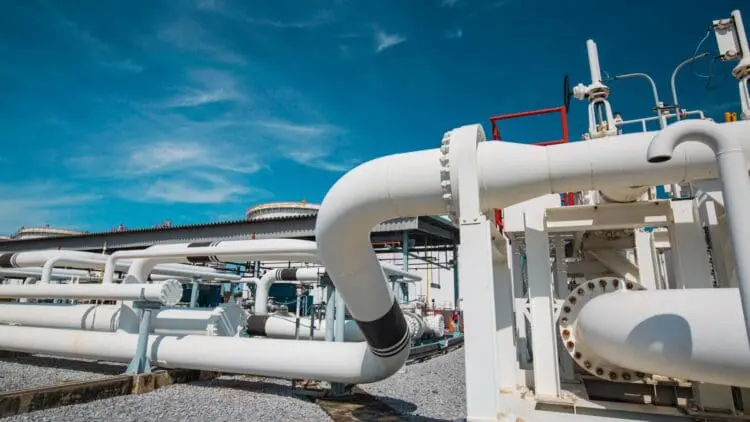
Oil prices rise to $62.04 as investors weigh Ukraine peace talks, supply concerns



Oil prices held largely unchanged in early trading on Wednesday, as persistent worries over global oversupply offset potential gains from ongoing diplomatic efforts in Ukraine peace talks. Brent crude futures edged up 0.13 percent to $62.02 per barrel, while West Texas Intermediate (WTI) crude traded around $58.35, reflecting a modest 0.17 percent increase. Markets remained in a tight range, with traders eyeing key reports from the International Energy Agency (IEA) and OPEC later in the week for fresh supply-demand insights.
Supply pressures dominate
Ample global oil supplies continued to cap any upward momentum, following a roughly 1 percent drop in the prior session. Iraq’s restoration of production at Lukoil’s West Qurna 2 oilfield—one of the world’s largest, representing about 0.5 percent of global output—added fresh barrels after a temporary export pipeline leak. U.S. energy officials forecast domestic output hitting a record 13.6 million barrels per day this year, exacerbating the glut outlook. API data revealed a 4.8-million-barrel decline in U.S. crude inventories last week, though gasoline and distillate stocks rose sharply, signaling mixed demand signals.
The IEA has projected a sizable surplus for 2026, while OPEC+ recently shifted its Q3 view from deficit to surplus, further denting bullish sentiment. China’s increased January purchases of Saudi crude to five-month highs, prompted by Riyadh’s lowest Asia premiums in five years, provided some counterbalance but failed to shift the oversupply narrative. Over the past month, Brent has fallen 4.80 percent, down 15.62 percent from last year, underscoring the bearish trend.
Ukraine talks in focus
Investors closely monitored Ukraine’s revised peace initiative shared with the U.S. after London talks involving President Volodymyr Zelenskiy and leaders from France, Germany, and Britain. A potential deal could lift sanctions on Russian oil firms, easing supply constraints and pressuring prices lower. “Oil is keeping to a tight trading range until we get a better idea of which way the peace talks will go,” noted KCM Trade chief market analyst Tim Waterer. Breakdowns in negotiations might push prices higher via renewed risk premiums, while progress could accelerate Russian supply returns to global markets.
These developments occur against stalled prior efforts and U.S.-Venezuela tensions, which have offered limited support to prices amid the supply flood. Ukrainian officials aim to present finalized documents soon, potentially influencing sanctions frameworks under U.S. President Trump’s administration.
U.S. Fed and demand outlook
Anticipation built around the Federal Reserve’s expected 25 basis point rate cut, which could bolster economic growth and fuel demand into 2026. Declining U.S. retail activity and inflation data underpin hopes for looser policy, though a stronger dollar—reflected in the DXY at 99.43—exerts downward pressure on dollar-denominated oil. Brent forecasts suggest trading at $64.17 by quarter-end and $69.96 in 12 months, per macro models.
Related commodities showed mixed moves: natural gas up 0.08 percent at $4.58, gasoline down 0.14 percent at $1.79, and heating oil up 0.33 percent at $2.27. Global economic crosscurrents, including China’s demand recovery and OPEC+ guidance, will shape the week’s trajectory. With U.S. output surging and geopolitical risks fading, the market braces for continued volatility.
Related Articles

Renewable Energy Storage Market 2025 Forecast - La...
21 Oct, 2025 07:12
Solar power mistake in South Africa costs homeowne...
21 Oct, 2025 07:54
An Investor’s Guide to Africa...
21 Oct, 2025 09:47
Doha Strike Shakes Global Energy Assumptions...
22 Oct, 2025 13:01
GCC and Russia Deepening ties in a multipolar Midd...
23 Oct, 2025 11:59
Tesla prepares first steps into Africa with Morocc...
23 Oct, 2025 13:29
Off-Grid Solar Energy Market to grow at 17.42 GW b...
23 Oct, 2025 13:39
Petroleum Institute Urges Early Take Off of Africa...
23 Oct, 2025 13:45
Algeria inks $5.4 billion energy pact with Saudi M...
23 Oct, 2025 14:03