Energy Other

New energy cooperation the next big thing between China and the Middle East


Chinese Foreign Minister Wang Yi’s ongoing visit to the Middle East is placing significant emphasis on expanding bilateral energy cooperation. In discussions with counterparts, such as the UAE Foreign Minister, talks have focused on deepening collaboration in both traditional energy sectors and advancing new energy partnerships.
This raises the question: Is new energy cooperation poised to become the next major frontier in Sino–Middle Eastern relations? The region’s substantial market potential offers compelling evidence. Although traditionally reliant on oil and gas, countries including the UAE, Saudi Arabia, and Qatar have launched ambitious national visions—such as UAE Net Zero 2050 and Saudi Vision 2030—that prioritize scaling up renewable energy to diversify their economies and meet climate commitments. The International Energy Agency estimates clean energy investment in the region will reach $10 billion in 2025.
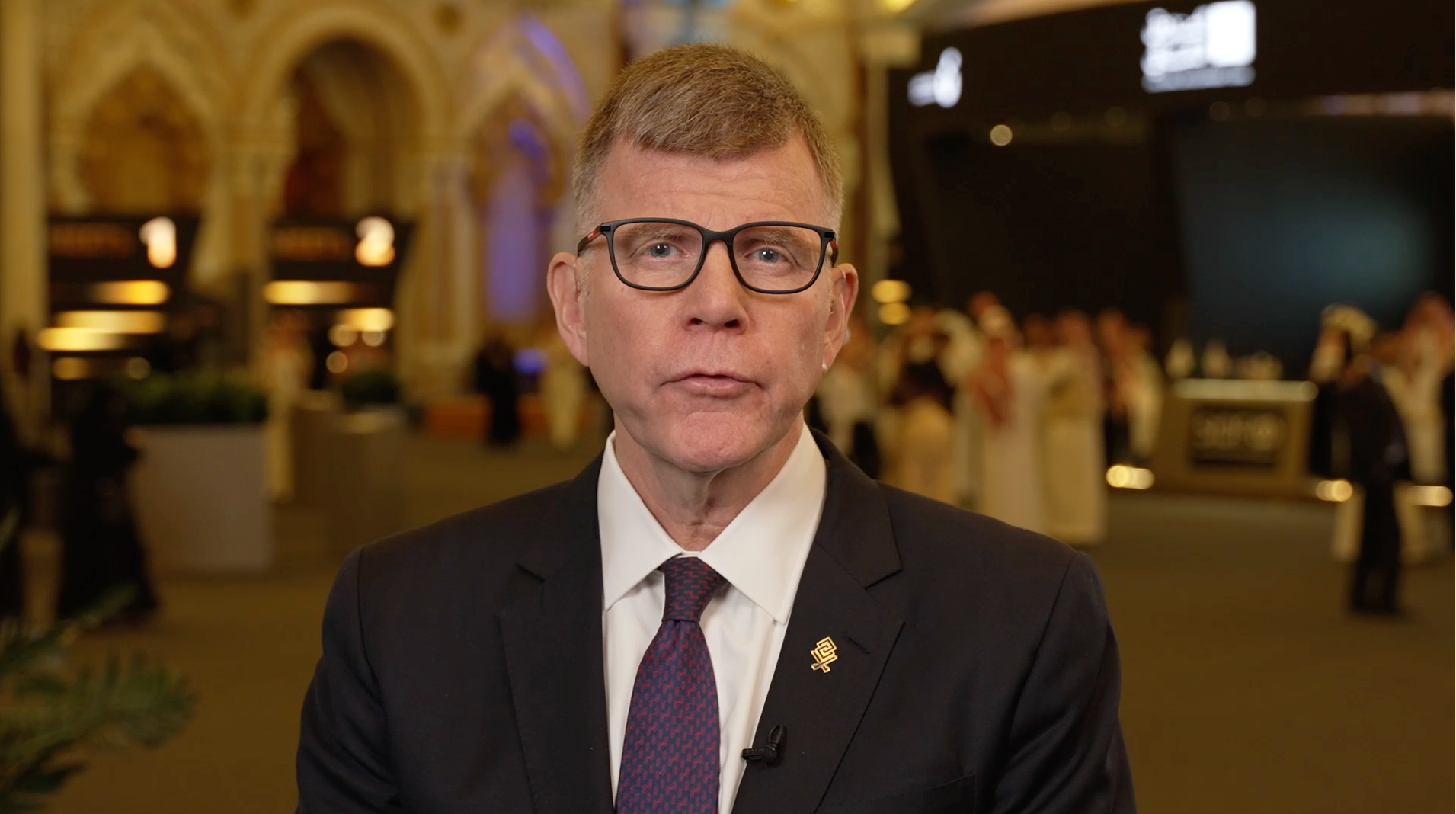
Sovereign wealth funds are key drivers of this transition. For instance, Saudi Arabia’s National Development Fund is deploying capital through various vehicles to build sustainable power infrastructure, as highlighted by its governor, Stephen Groff, in an interview.
Chinese companies are actively engaging in this emerging market. Major projects, such as the UAE’s round-the-clock gigascale renewable energy initiative valued at approximately $6 billion, involve Chinese state-owned enterprises like Power Construction Corporation of China, as well as leading private firms such as CATL and JA Solar. This reflects a rapidly intensifying collaboration between Chinese and Middle Eastern partners.
Analysts point to a powerful synergy: China possesses the world’s most complete new energy industrial chain, high production capacity, and competitive pricing, while the Middle East has the financial resources, political will, and strategic need to develop its new energy sector. Given these complementary strengths, green energy cooperation is highly likely to become a cornerstone of the bilateral relationship in the coming years.
Related Articles
Kuwaiti oilfield comes onstream officially after 1...
22 Sep, 2025 12:56
African Energy Week (AEW) 2025: Unlocking the Pote...
22 Sep, 2025 13:22
South Africa warns illegal car imports threaten ne...
23 Sep, 2025 06:31
South Africa Confronts EU Carbon Border Mechanism...
23 Sep, 2025 12:33
South Africa, China Deepen Investment Ties in Key ...
24 Sep, 2025 07:35
Raysut Cement’s Expansion into Libya and North Afr...
24 Sep, 2025 07:40
Nextchem opens regional office in Abu Dhabi...
24 Sep, 2025 08:10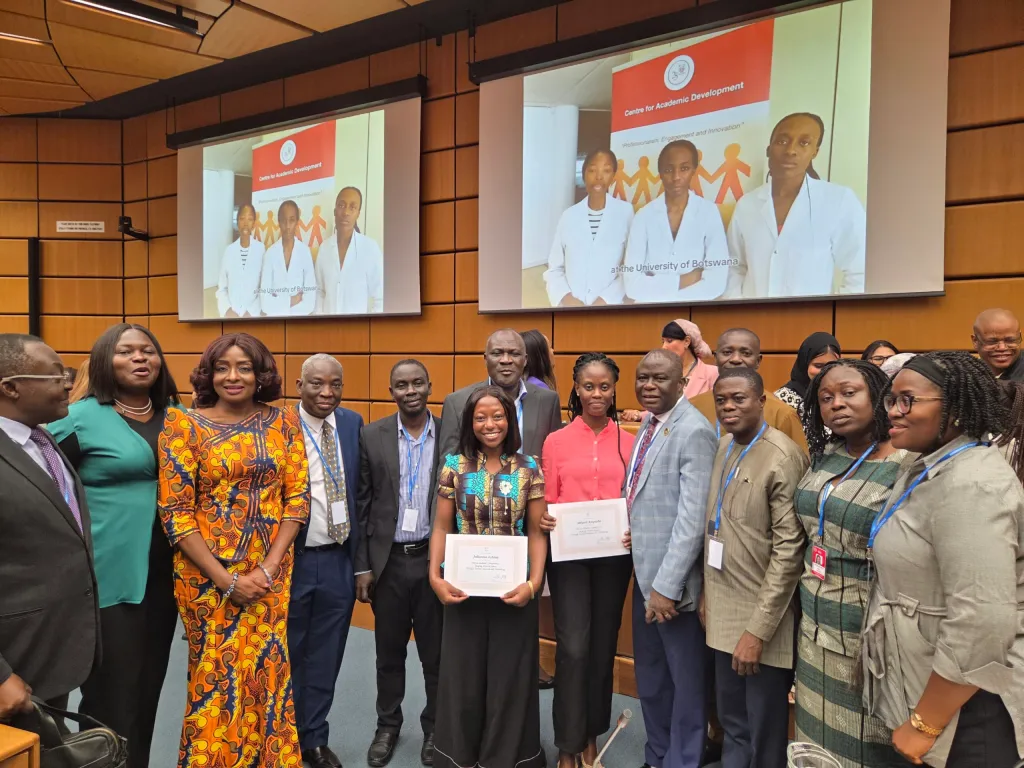
Ghanaian students win top honours in IAEA’s Female...
24 Sep, 2025 09:32
Key Sectors Linking Mauritania and Gambia...
24 Sep, 2025 09:40