Energy Markets

Middle powers’ game-changing rivalries in Africa



While global attention often focuses on superpowers like the US, China, and Russia, a diverse group of "middle powers" is making significant inroads across Africa, reshaping the continent's geopolitical landscape. Nations such as Turkey, the UAE, Qatar, Saudi Arabia, Indonesia, and India are expanding their influence through substantial investments, strategic diplomacy, and opportunistic partnerships.
These engagements are multifaceted, ranging from economic and industrial investments to diplomatic mediation. Recent examples include the UAE's role as the top investor in new African business projects in 2024, with major commitments to clean energy, and Turkey's expansion of trade and airline connectivity to over sixty African destinations. Indonesia is forging mining partnerships to secure critical minerals for its industries, while Qatar is mediating peace talks between the DRC and Rwanda and investing heavily in African aviation.
This rise is fueled by three major shifts within Africa: rapid demographic growth, a strong pro-sovereignty sentiment leading to a push against neocolonial influence, and a continent-wide priority for industrial transformation and value addition. Middle powers are positioning themselves to meet these new African demands, often offering partnerships framed as more equitable alternatives to traditional powers.
However, this engagement also creates a complex web of competition—not only with traditional global powers but also among the middle powers themselves. For instance, India's recent maritime exercises with African nations are viewed as a strategic move to counter China's influence in the Indian Ocean. The involvement of powers like Russia and the UAE in regional conflicts, such as the civil war in Sudan, also introduces security dilemmas that can undermine economic stability.
Ultimately, these middle powers are leveraging tools of soft power, strategic investment, and cultural diplomacy to build influence. Their success hinges on their ability to form complementary alliances and navigate Africa's evolving priorities, where mutual economic benefit and respect for sovereignty are increasingly paramount.
Related Articles
Renewable Energy Storage Market 2025 Forecast - La...
21 Oct, 2025 07:12
Solar power mistake in South Africa costs homeowne...
21 Oct, 2025 07:54
An Investor’s Guide to Africa...
21 Oct, 2025 09:47
Doha Strike Shakes Global Energy Assumptions...
22 Oct, 2025 13:01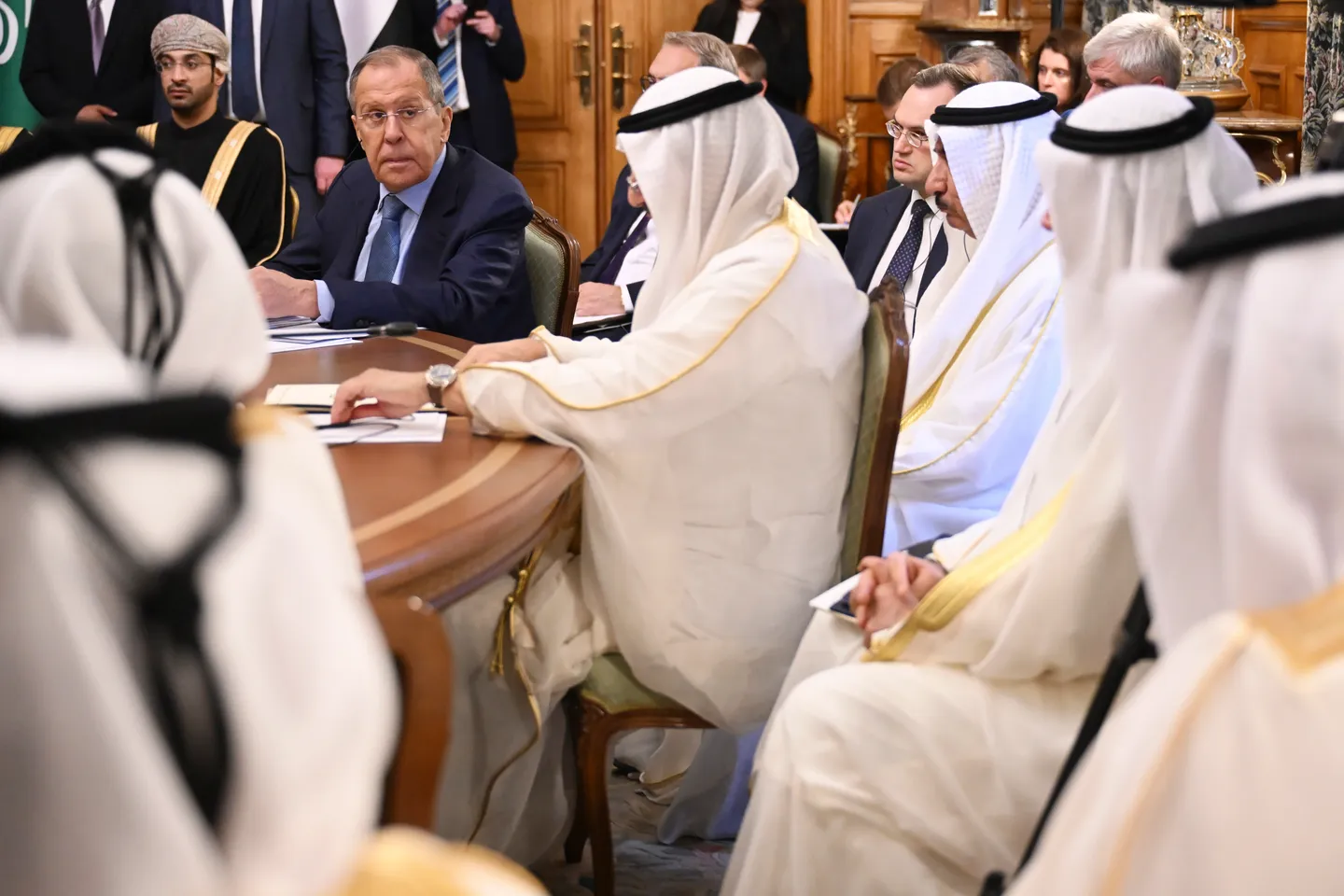
GCC and Russia Deepening ties in a multipolar Midd...
23 Oct, 2025 11:59
Tesla prepares first steps into Africa with Morocc...
23 Oct, 2025 13:29
Off-Grid Solar Energy Market to grow at 17.42 GW b...
23 Oct, 2025 13:39
Petroleum Institute Urges Early Take Off of Africa...
23 Oct, 2025 13:45
Algeria inks $5.4 billion energy pact with Saudi M...
23 Oct, 2025 14:03