Energy Other

How the Middle East’s modern power systems are harnessing AI for advanced energy management


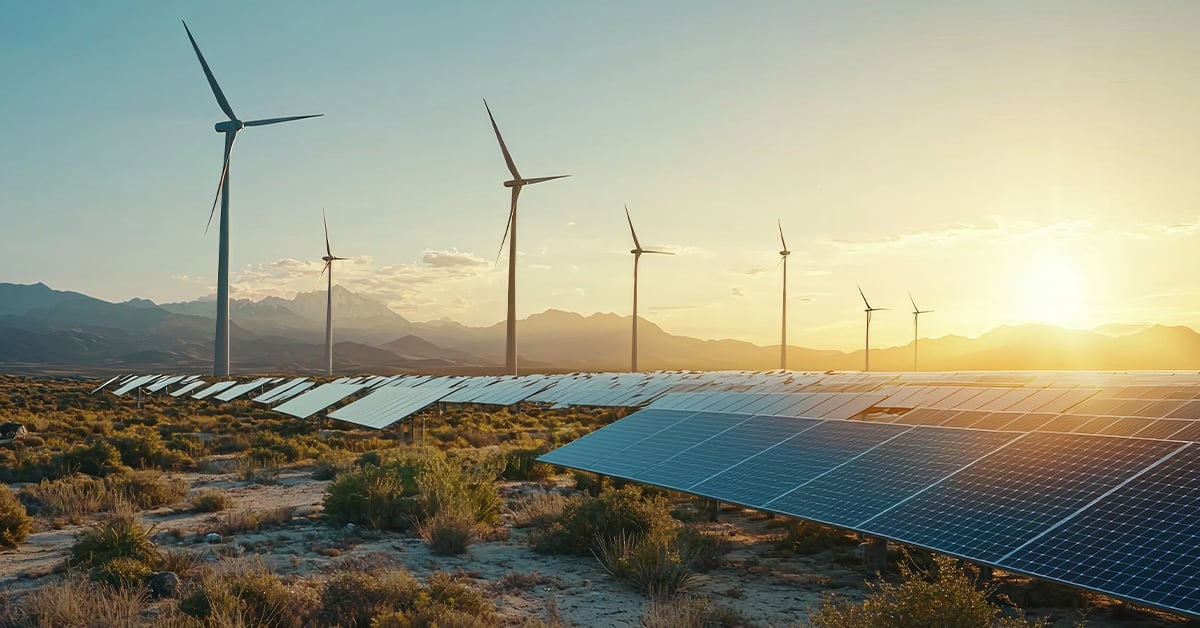
A technical article explores the practical integration of artificial intelligence (AI) into the energy sector of the Middle East, highlighting its potential to contribute over $300 billion to the regional economy by 2030. The piece, authored by Khalid Qarooni of automation supplier COPA-DATA, details how AI is being deployed to modernize power grids, optimize renewable energy integration, and enhance energy trading.
Major national initiatives, such as Saudi Arabia's Vision 2030 and the UAE's Energy Strategy 2050, serve as key drivers for this adoption. Specific projects cited include Saudi Arabia's NEOM smart city and the Sakaka solar plant, as well as the UAE's Mohammed bin Rashid Al Maktoum Solar Park, where AI is used for predictive maintenance, load management, and generation forecasting. The region's investment in digital infrastructure, including cloud computing and local firms like G42, is noted as a foundational enabler.
While acknowledging strong prospects due to clear policy direction and investment, the article also outlines challenges. These include integrating AI with legacy infrastructure, developing adequate regulatory frameworks, and addressing a shortage of skilled talent. The conclusion emphasizes that the combination of national ambition, strategic partnerships, and investment in skills is positioning the Middle East to become a leader in AI-driven, sustainable energy management.
Related Articles
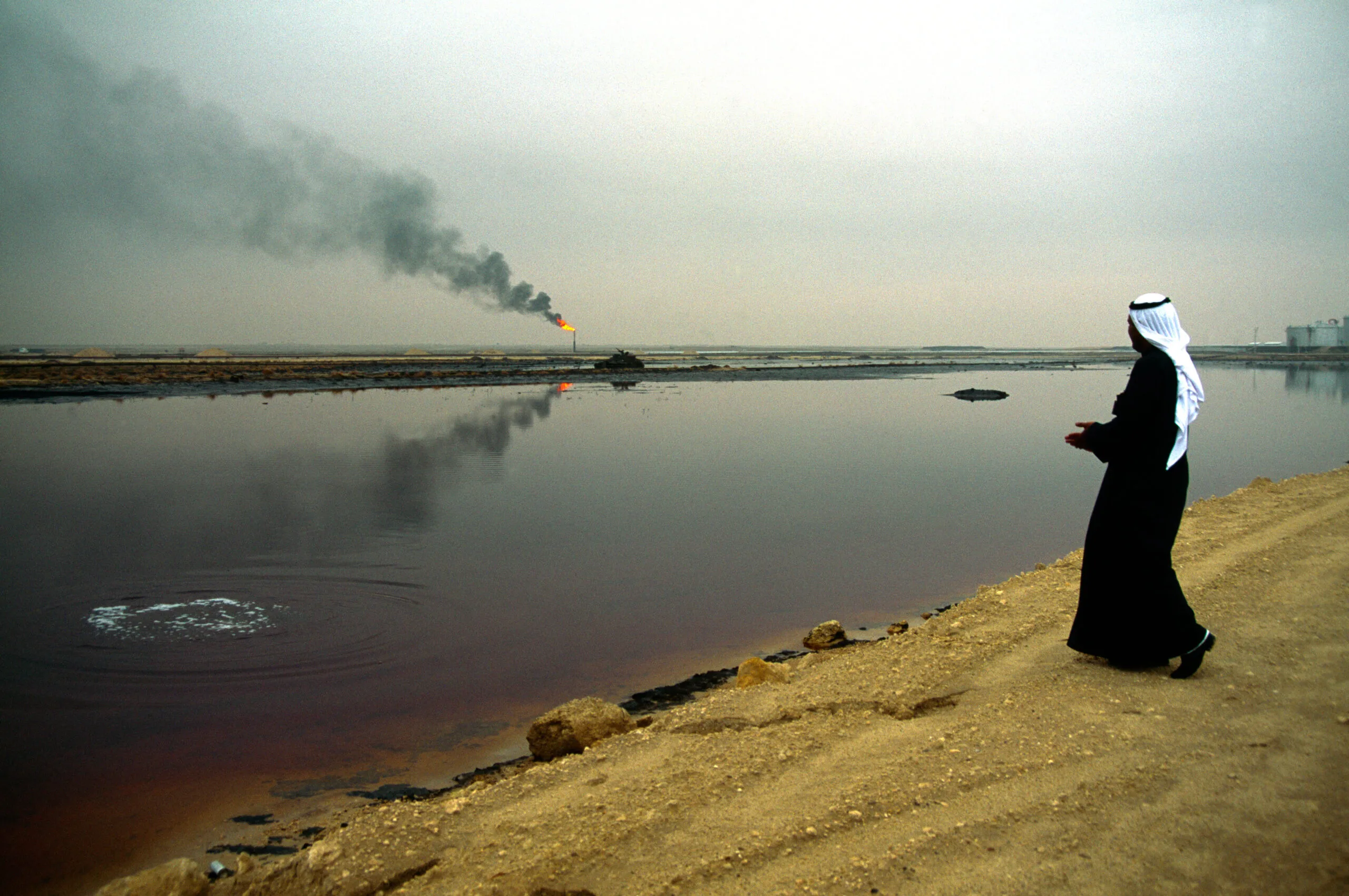
Kuwaiti oilfield comes onstream officially after 1...
22 Sep, 2025 12:56
African Energy Week (AEW) 2025: Unlocking the Pote...
22 Sep, 2025 13:22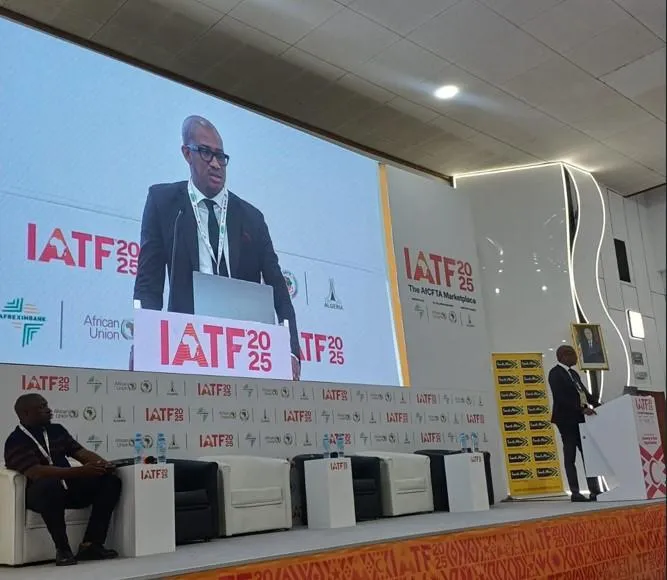
South Africa warns illegal car imports threaten ne...
23 Sep, 2025 06:31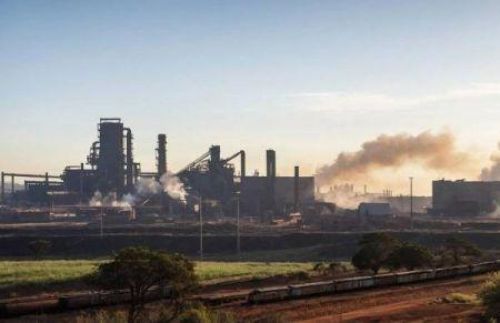
South Africa Confronts EU Carbon Border Mechanism...
23 Sep, 2025 12:33
South Africa, China Deepen Investment Ties in Key ...
24 Sep, 2025 07:35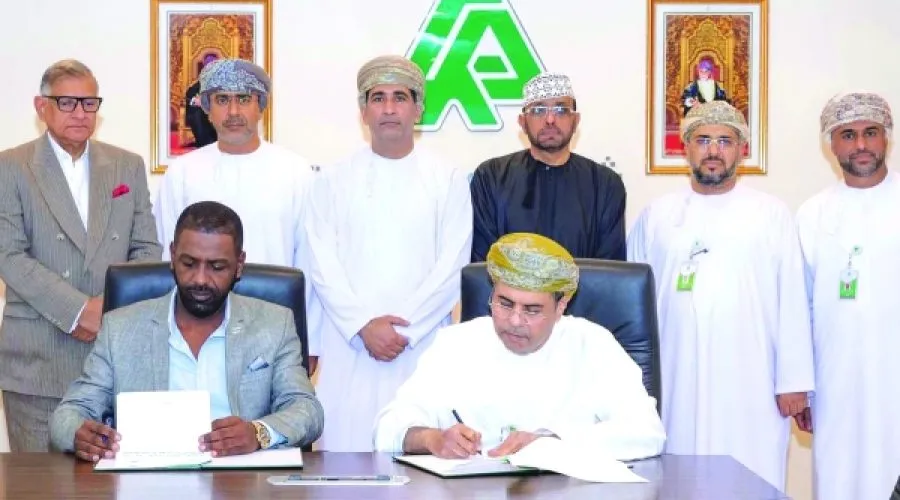
Raysut Cement’s Expansion into Libya and North Afr...
24 Sep, 2025 07:40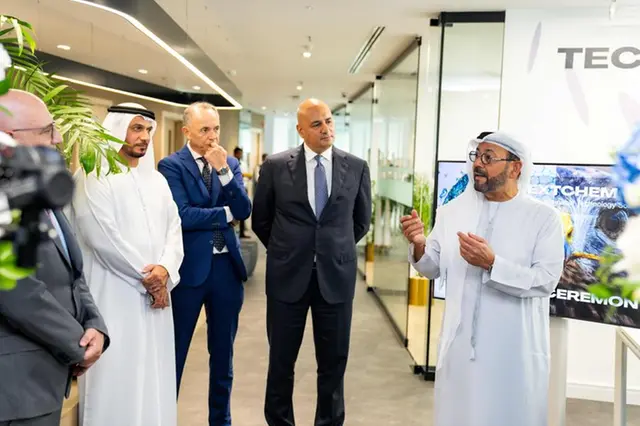
Nextchem opens regional office in Abu Dhabi...
24 Sep, 2025 08:10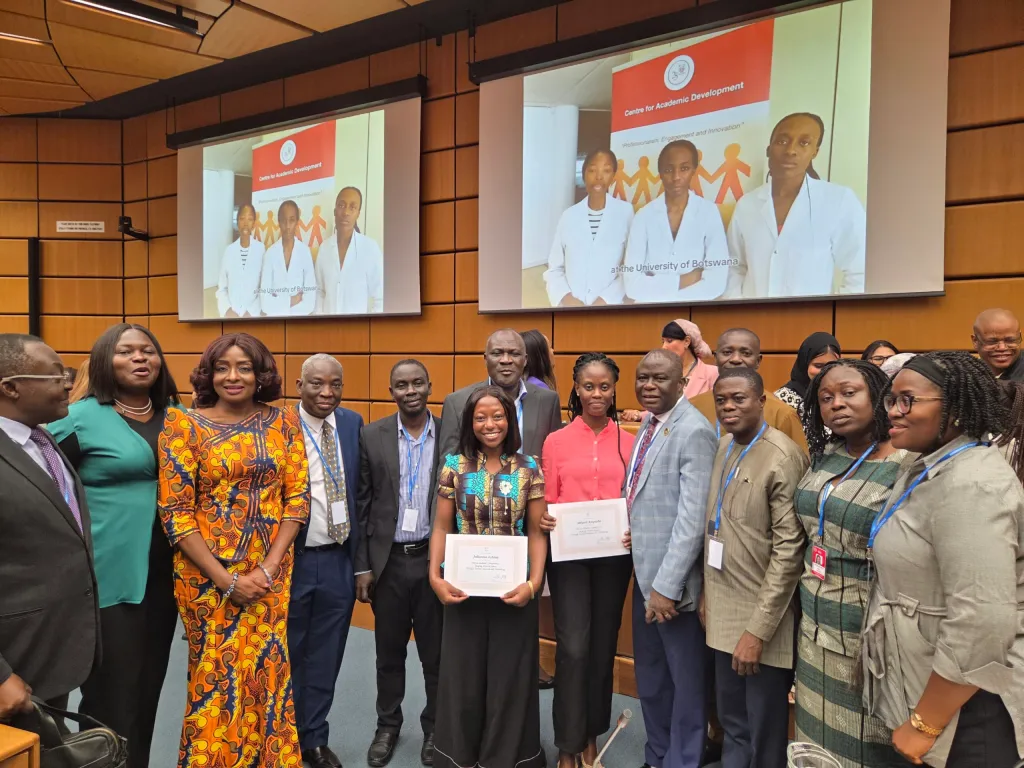
Ghanaian students win top honours in IAEA’s Female...
24 Sep, 2025 09:32
Key Sectors Linking Mauritania and Gambia...
24 Sep, 2025 09:40