Energy Other

How Kazakhstan’s Entry into the Abraham Accords Opens New Energy Pathways


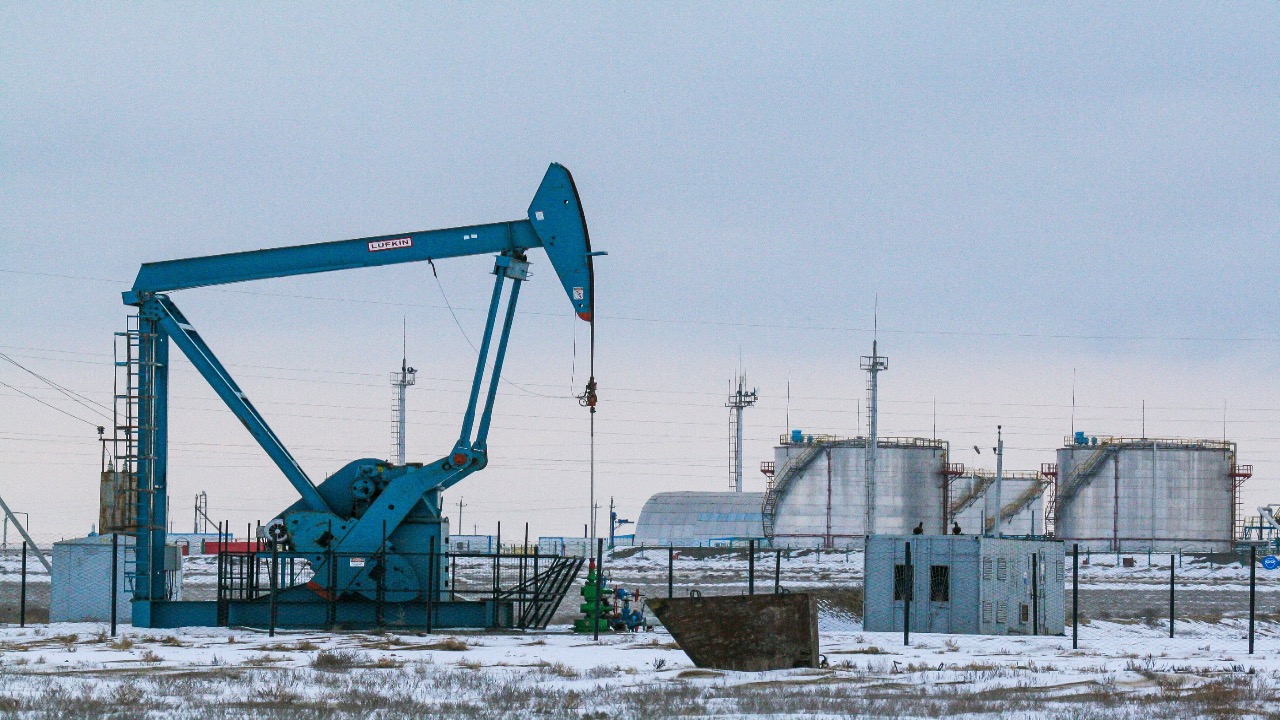
Kazakhstan's recent accession to the Abraham Accords marks a significant geopolitical development with consequences extending beyond its initial symbolic value. The agreement, facilitated by a call between the Kazakh and Israeli leaders, differentiates Kazakhstan's foreign policy from other former Soviet states and signals a strategic realignment.
The nation possesses the most vibrant economy in Central Asia and serves as a critical hub on the "New Silk Road." The Trans-Caspian International Transport Route, a key trade artery, is experiencing growing cargo volumes, underscoring the country's logistical importance.
A major implication of this move lies in the energy sector. As a major energy producer, Kazakhstan has a diverse portfolio that includes significant hydrocarbons and the world's second-largest uranium reserves, which already supply a substantial portion of global and U.S. needs. Its abundance of rare earth minerals, crucial for the energy transition, also opens new opportunities for cooperation with the U.S., Israel, and Gulf states.
Membership in the Accords paves the way for Kazakhstan to gain closer access to Israeli technology and investment capital from the Gulf Cooperation Council. While U.S. energy giants like Chevron and ExxonMobil are already long-standing investors, the country hopes to direct new capital toward its ambitious sustainable energy goals, which include sourcing half of its energy from renewables by 2050.
Beyond energy, Kazakhstan has cultivated Central Asia's largest financial sector through the Astana International Finance Centre. This established financial infrastructure, coupled with recent major deals like a multi-billion dollar locomotive agreement, positions the country to attract further international business.
Ultimately, this decision reflects a broader Eurasian reorientation, where Central Asian nations are actively diversifying their alliances beyond historical dependencies. Officials are increasingly looking to build partnerships with the Middle East and other regions, a strategic shift that was less common a generation ago.
The Abraham Accords offer Kazakhstan a pathway to a more balanced international partnership, one that leverages its economic strengths, natural resources, and strategic location. It provides a framework for deeper integration with Israeli innovation and Gulf capital.
This expansion of the Abraham Accords under the Trump administration represents a potential cornerstone for a new architecture of peace and economic cooperation, extending its influence from the Gulf region into the heart of Central Asia.
Related Articles
Kuwaiti oilfield comes onstream officially after 1...
22 Sep, 2025 12:56
African Energy Week (AEW) 2025: Unlocking the Pote...
22 Sep, 2025 13:22
South Africa warns illegal car imports threaten ne...
23 Sep, 2025 06:31
South Africa Confronts EU Carbon Border Mechanism...
23 Sep, 2025 12:33
South Africa, China Deepen Investment Ties in Key ...
24 Sep, 2025 07:35
Raysut Cement’s Expansion into Libya and North Afr...
24 Sep, 2025 07:40
Nextchem opens regional office in Abu Dhabi...
24 Sep, 2025 08:10
Ghanaian students win top honours in IAEA’s Female...
24 Sep, 2025 09:32
Key Sectors Linking Mauritania and Gambia...
24 Sep, 2025 09:40