
Metal Markets

Gold prices rise to $4,978.83, silver rebounds from 11 percent fall as investors await U.S. inflation data


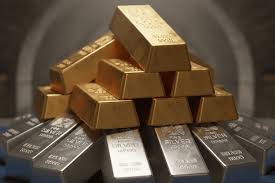
Gold prices bounced back on Friday after sliding to almost a one-week low in the previous session, as traders turned their focus to upcoming U.S. inflation data for clues on the Federal Reserve’s interest rate path. Stronger-than-expected jobs figures have tempered expectations for interest rate cuts this week.
As of 5:01 GMT, spot gold rose 1.05 percent to $4,978.83 an ounce, bringing its weekly gain to 0.4 percent. Meanwhile, U.S. gold futures for April delivery advanced 0.95 percent to $4,995.30 per ounce.
In the UAE, gold rates posted a notable rebound, with 24-carat gold gaining AED3 to AED599.75 and 22-carat gold rising AED2.75 to AED555.25. Additionally, 21-carat gold edged up AED2.75 to AED532.5, and 18-carat gold rose AED2.25 to AED456.5.
Meanwhile, 14-carat gold increased AED1.75 to AED356.
Precious metals track broader market decline
Gold prices tumbled nearly 3 percent on Thursday to their lowest level in about a week, slipping below the key $5,000-an-ounce support as intensified selling followed a sharp downturn in global equities. Precious metals tracked the broader market decline overnight, with no clear macroeconomic trigger behind the move.
Instead, the sell-off was largely driven by renewed concerns over artificial intelligence disruption, which weighed heavily on technology stocks. Asian equities pulled back from record highs on Friday, as fears of margin compression in the tech sector pressured companies such as Apple.
Gold prices also came under pressure as the U.S. dollar index strengthened, rising 0.07 percent to 97.00. A firmer dollar typically weighs on commodities priced in the greenback, as it raises costs for buyers using other currencies.
“Following the recent flash crash in metals, continued aftershocks are likely in the weeks and months ahead, making a near-term retest of January highs highly improbable, while at the same time leaving the door open for a retest of the lows,” said Tony Scaymore, Analyst at IG.
Market attention turn to key U.S. inflation data
The bullion market also faced headwinds after data released on Wednesday showed the U.S. labor market started 2026 on a stronger-than-expected footing. The robust jobs figures reinforced expectations that policymakers may keep interest rates higher for longer.
In addition, the U.S. budget deficit is projected to widen slightly to $1.853 trillion in fiscal 2026, according to a forecast released on Wednesday by the Congressional Budget Office, indicating that President Donald Trump’s economic policies are further straining the country’s fiscal outlook at a time of subdued growth.
“Once volatility subsides, however, the medium-term bullish outlook should reassert itself. Persistent concerns over U.S. debt sustainability, ongoing dollar weakness, sticky inflation pressures and the increasing appeal of real assets as a hedge continue to underpin demand,” Scaymore added. “Compounding this are stretched equity valuations, geopolitical risks, questions surrounding Fed independence and uncertainty over U.S. trade and fiscal policies.”
Attention now turns to upcoming U.S. inflation data for further signals on the Federal Reserve’s policy trajectory. Markets are currently pricing in two 25-basis-point rate cuts this year, with the first anticipated in June. As a non-yielding asset, gold typically benefits from a lower interest rate environment.
Silver recovers from 11 percent dip
As gold prices rebounded, the broader precious metals market witnessed increases. Spot silver advanced 2.91 percent to $77.35 per ounce, recovering after plunging 11 percent in the previous session, although it was still heading for a weekly decline of about 1.2 percent.
Platinum gained 1.74 percent to $2,034.76 per ounce, while palladium rose 2.98 percent to $1,664.99. Despite the rebound, both metals remained on course to post losses for the week.
Related Articles

Saudi Arabia champions global partnerships to powe...
21 Oct, 2025 06:51
Can Turkey Become a Rare Earth Element Power?...
23 Oct, 2025 13:24
Orion Minerals Set to Develop Secure, Responsible,...
23 Oct, 2025 14:12
Investing in Platinum Stocks...
24 Oct, 2025 06:56
Copper And Aluminum Prices Climb As Supply Worries...
24 Oct, 2025 07:09
Dubai 24-carat gold prices dip AED3.75 as global r...
24 Oct, 2025 12:06
Bauxite sales up but tariffs on Chinese metal ship...
27 Oct, 2025 13:15
Angola bids for majority stake in De Beers, source...
28 Oct, 2025 07:02
Dubai 24-carat gold price today drops AED479; glob...
28 Oct, 2025 08:15