Rail

Enhancing safety in accordance with South Africa’s revised Mining Road and Rail Safety Code of Practice


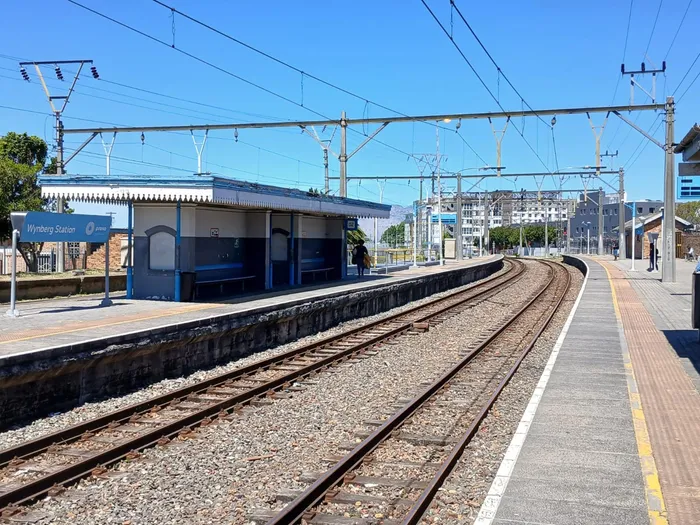
South Africa's mining industry has transitioned from preparation to active enforcement of the updated Road and Rail Safety Code of Practice (COP), which took full effect on October 1, 2025. Mines are now required to adhere to these new standards in their daily operations, moving beyond striving for compliance to implementing sustainable safety practices.
The updated COP significantly broadens the regulatory scope. Instead of focusing primarily on internal haul roads, the standard now encompasses private access roads, rail sidings, level crossings, external haulage connections, and the full interface between mine logistics and public infrastructure. Mines are now held responsible for the safety of their vehicles and personnel in all operational environments, both inside and immediately outside their boundaries.
The new standard also demands a deeper technical understanding of transport systems. Mines must document design limitations, braking systems, load capacities, maximum speeds, and environmental constraints for all vehicles and rail assets. Compliance requires an evidence-based understanding of how these systems behave under real operating conditions.
A major shift is the redefinition of operator competency. A driving licence or Professional Driving Permit (PDP) is no longer sufficient. Mines must demonstrate that operators have mastered the specific terrain, visibility challenges, and dynamic risks of their particular site. This requires practical competency evaluations, refresher training, and continuous assessments.
Furthermore, maintenance is now positioned as a core safety system rather than an administrative task. Mines must maintain verifiable and traceable records for every vehicle and rail asset. The COP requires that maintenance actively reduces mechanical risk, with measurable improvements in brake performance, vehicle stability, and adherence to design speeds.
To achieve sustainable compliance, industry experts note that mines require structured, ongoing safety programmes. This includes comprehensive training, independent audits, regular safety talks, behavioural observations, and near-miss reporting systems. The integration of independent health and safety providers is seen as crucial for embedding high-quality safety performance and turning regulatory compliance into tangible operational improvements that reduce transport-related incidents.
Related Articles
South Africa's Transnet to invest $7 billion in ra...
22 Oct, 2025 08:17
AD Ports unit to run UAE-Oman freight rail service...
27 Oct, 2025 08:54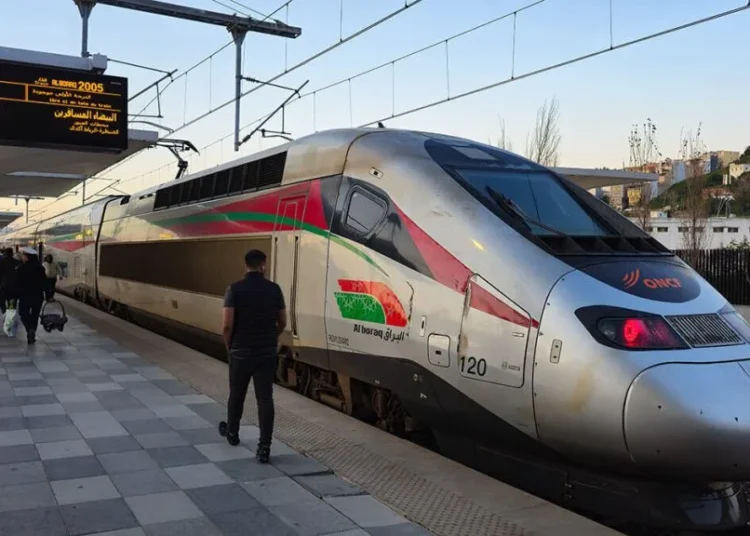
Morocco’s Transport Minister Promises Railway Netw...
29 Oct, 2025 11:22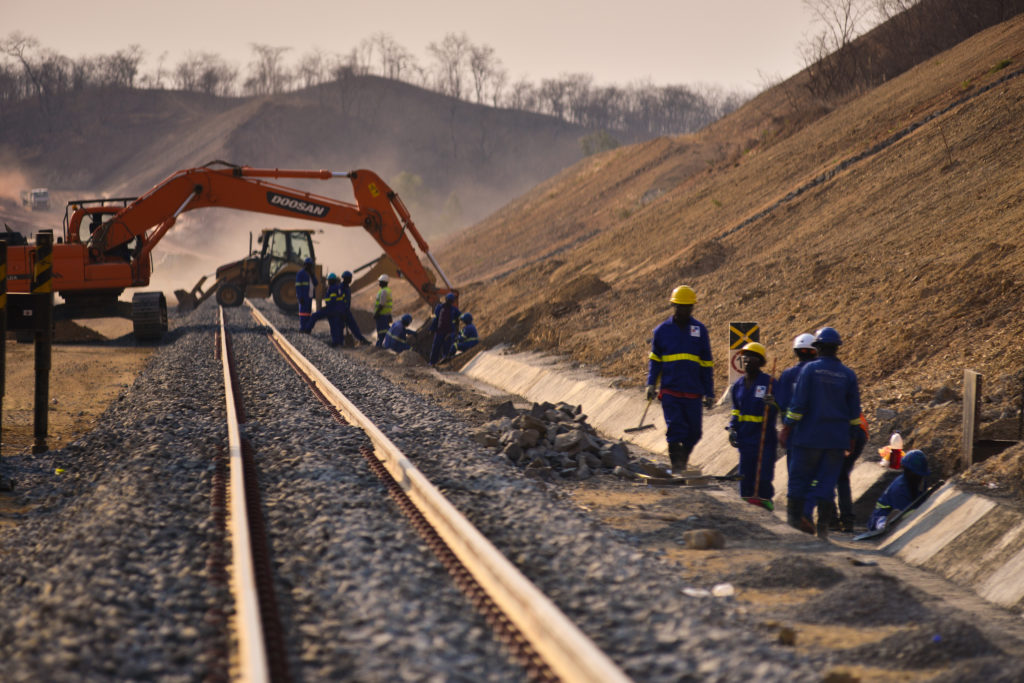
Angola seeks $4.5 billion for rail link to Zambia’...
31 Oct, 2025 08:03
How digital tools are powering the Middle East’s r...
06 Nov, 2025 09:14
Jordan, Syria and Turkey move ahead with plans to ...
10 Nov, 2025 10:14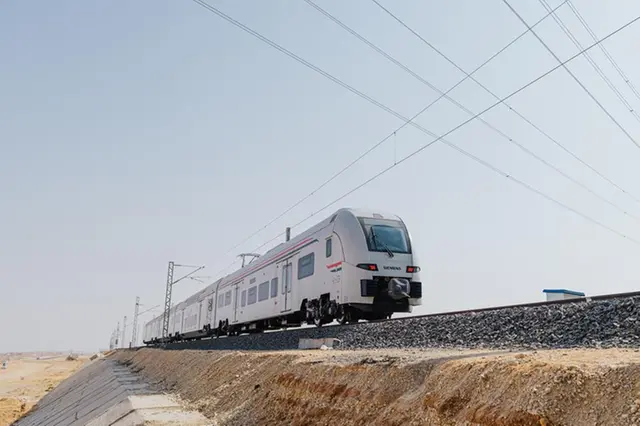
Siemens unveils Velaro High-Speed train at TransME...
10 Nov, 2025 12:10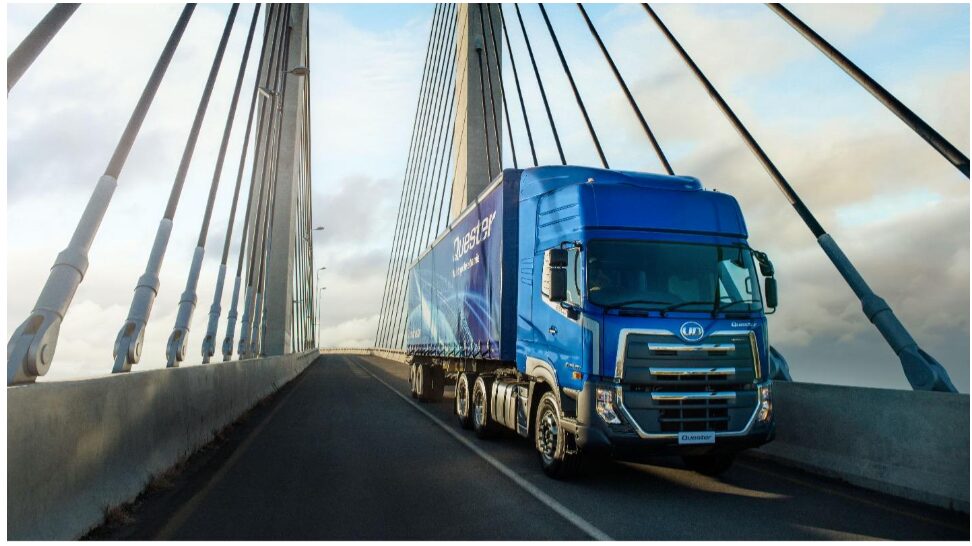
Why partner with UD Trucks South Africa for the Ni...
12 Nov, 2025 09:07
Hitachi Rail to modernise Egypt’s oldest tramway i...
13 Nov, 2025 11:00