Energy Other

Energy subsidies in South Africa 2025


By: International Institute for sustainable development
South Africa’s energy subsidy landscape, heavily tilted toward fossil fuels, requires urgent reform to align with fiscal, social, and environmental goals, according to a new policy analysis. In the 2025 financial year, total quantified energy subsidies amounted to at least ZAR 198 billion (USD 10.8 billion). Direct fossil fuel support, including carbon tax exemptions and fuel levy foregone, constituted 55% of this total, at ZAR 110 billion.
The report highlights that these subsidies, while often intended for social protection, have significant negative consequences. They strain government finances, entrench air pollution and greenhouse gas emissions, and crowd out investment in cleaner alternatives. Furthermore, broad-based fuel subsidies are an inefficient method of aiding low-income households, as the largest financial benefits flow to the biggest consumers.
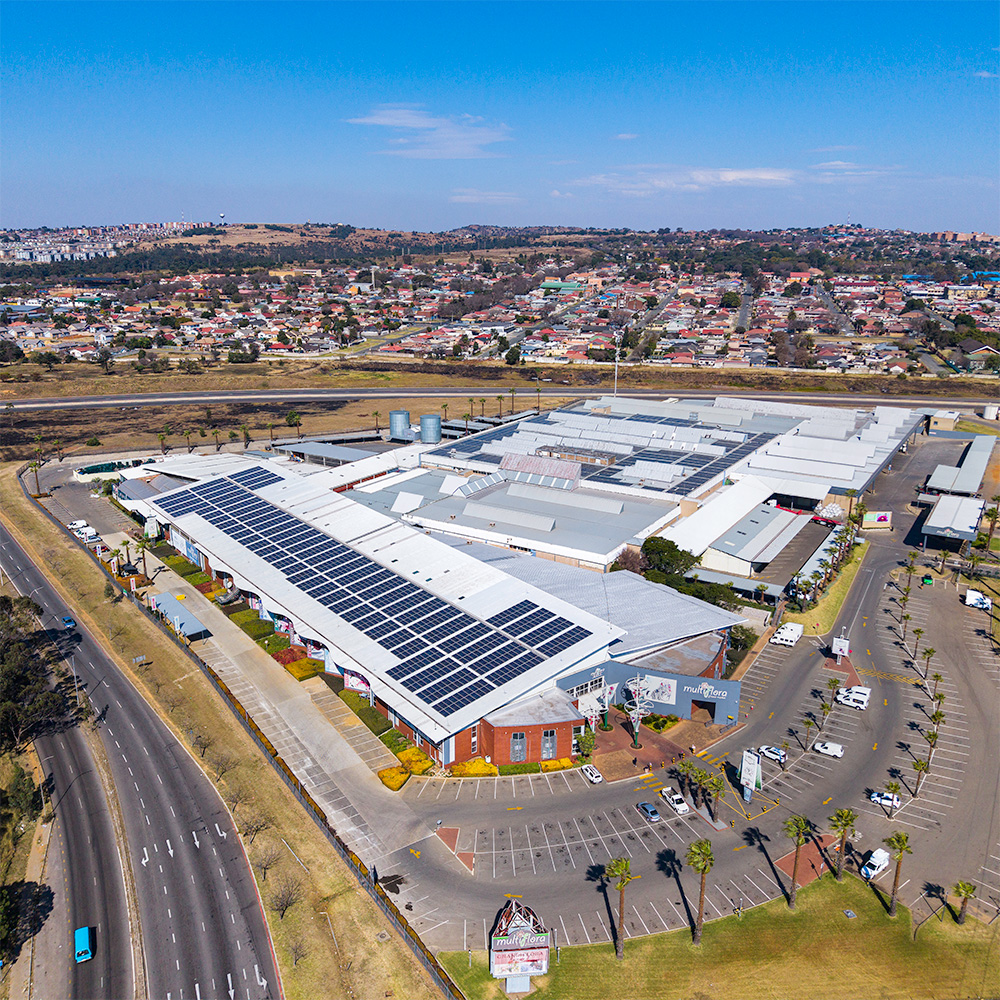
A major component of the subsidy burden is support for the electricity sector, which totaled ZAR 87 billion. Most of this—over 70% since 2020—comprises debt bailouts for the state-owned utility Eskom, propping up a power system where 83% of generation still came from fossil fuels in 2024. While electricity subsidies are technology-neutral in theory, in practice they sustain a coal-dominated grid that delays the rollout of renewables.
The analysis outlines a series of targeted recommendations for reform:
- Develop a Comprehensive Action Plan: Create a stakeholder-driven roadmap with clear deadlines to phase out inefficient subsidies, aligning with a just transition.
- Restructure Eskom’s Role and Finances: National government and Eskom must agree on a clear future role for the utility within a reformed energy market and implement a financial recovery plan to reduce dependence on bailouts.
- Overhaul Free Basic Electricity (FBE): Improve the targeting, implementation, and oversight of the FBE policy to ensure support actually reaches the 8 million indigent households currently missing out, before considering an increase in the inadequate 50 kWh monthly allowance.
- Strengthen the Carbon Tax: Reform the tax design to minimize corporate influence, rapidly increase the effective rate—currently far too low to drive change—and align it with the social cost of carbon.
- Shift Transport Support: Phase out blanket fuel subsidies and instead design targeted support for low-income households' transport needs, coupled with improved public transport and incentives for electric vehicles.
- Prioritize Renewable Energy Support: National Treasury should expand transparent reporting on tax expenditures to properly quantify and prioritize subsidies for renewable energy, moving public financial support decisively toward a cleaner energy future.
The report concludes that implementing these reforms is critical for South Africa to honor its 2009 G20 commitment to phase out inefficient fossil fuel subsidies, improve fiscal health, and achieve better social and environmental outcomes.
Related Articles

Kuwaiti oilfield comes onstream officially after 1...
22 Sep, 2025 12:56
African Energy Week (AEW) 2025: Unlocking the Pote...
22 Sep, 2025 13:22
South Africa warns illegal car imports threaten ne...
23 Sep, 2025 06:31
South Africa Confronts EU Carbon Border Mechanism...
23 Sep, 2025 12:33
South Africa, China Deepen Investment Ties in Key ...
24 Sep, 2025 07:35
Raysut Cement’s Expansion into Libya and North Afr...
24 Sep, 2025 07:40
Nextchem opens regional office in Abu Dhabi...
24 Sep, 2025 08:10
Ghanaian students win top honours in IAEA’s Female...
24 Sep, 2025 09:32
Key Sectors Linking Mauritania and Gambia...
24 Sep, 2025 09:40