Metal Markets

Beyond extraction Africa's strategic leverage in the EU-BRICS+ critical minerals nexus


By: APRI – Africa Policy Research Institute
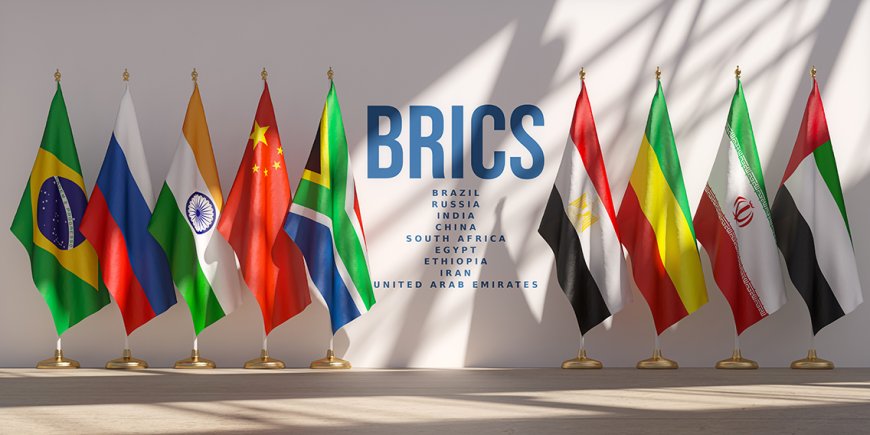
Originally formed in 2009, the BRICS group expanded significantly in 2024, adding Egypt, Ethiopia, Iran, Saudi Arabia, and the United Arab Emirates to become BRICS+. This expansion bolstered the group's demographic and economic weight, as well as its dominance in global energy reserves. The bloc operates as a consensus-based forum without a formal treaty, navigating inherent tensions between major members like China and India.
Mineral Dominance and Internal Divergence
BRICS+ countries collectively control commanding portions of global mineral production and reserves. Despite this collective resource power, members pursue independent national strategies. Divergent geopolitical alignments and economic priorities, such as India's partnership with Western-led mineral initiatives, prevent the formation of a unified BRICS+ mineral policy, making the bloc a platform for selective cooperation rather than coordinated action.
Africa's BRICS+ Members: Potential and Challenges
The African members within BRICS+—South Africa, Egypt, and Ethiopia—hold significant untapped mineral wealth. They possess the potential to use BRICS+ partnerships and financing to develop processing infrastructure and move up the value chain. South Africa is actively leveraging its mineral strategy and international forums, while Egypt and Ethiopia are at earlier stages of developing their critical minerals sectors.
The EU's Dependency and Bilateral Engagement
The European Union remains heavily dependent on BRICS+ nations, particularly China and South Africa, for critical raw materials essential for its green and digital transitions. Consequently, the EU typically engages with BRICS+ countries bilaterally rather than treating the bloc as a monolithic entity, seeking to deepen ties with individual members like South Africa and India through strategic partnerships.
Foundations for Cooperation
Effective cooperation between BRICS+, the EU, and African states hinges on aligning incentives in three key areas: establishing shared governance and certification standards for ethical mining; reconciling the EU's Carbon Border Adjustment Mechanism (CBAM) with BRICS+ opposition; and balancing BRICS+ ambitions for local value-addition with the EU's need for affordable, stable supplies.
Constraints from Internal BRICS+ Dynamics
Major obstacles to any trilateral cooperation stem from weak internal consensus within BRICS+. The bloc is a loose formation marked by historical geopolitical disputes, such as those between China and India or Egypt and Ethiopia. This internal fragmentation complicates its ability to present a unified front in external negotiations.
The G20 as a Potential Mediating Forum
The voluntary G20 Critical Minerals Framework, advanced under South Africa's presidency, offers a potential blueprint for broader consensus. Forums like the G20, where both BRICS+ members and the EU participate, could serve as a neutral space to mediate differences and foster agreement on mineral governance, investment, and sustainable development principles.
Prospects for Engagement
The prospect of a formal, bloc-to-bloc cooperation mechanism between BRICS+ and the EU remains distant, likely more than a decade away. The immediate reality involves individual BRICS+ members striking separate deals with the EU, as exemplified by South Africa's partnerships. Russia's status as a strategic opponent of the EU further limits full-bloc engagement.
Related Articles

Saudi Arabia champions global partnerships to powe...
21 Oct, 2025 06:51
Can Turkey Become a Rare Earth Element Power?...
23 Oct, 2025 13:24
Orion Minerals Set to Develop Secure, Responsible,...
23 Oct, 2025 14:12
Investing in Platinum Stocks...
24 Oct, 2025 06:56
Copper And Aluminum Prices Climb As Supply Worries...
24 Oct, 2025 07:09
Dubai 24-carat gold prices dip AED3.75 as global r...
24 Oct, 2025 12:06
Bauxite sales up but tariffs on Chinese metal ship...
27 Oct, 2025 13:15
Angola bids for majority stake in De Beers, source...
28 Oct, 2025 07:02
Dubai 24-carat gold price today drops AED479; glob...
28 Oct, 2025 08:15