Sea

Aqaba Port maintains stable operations despite higher fees


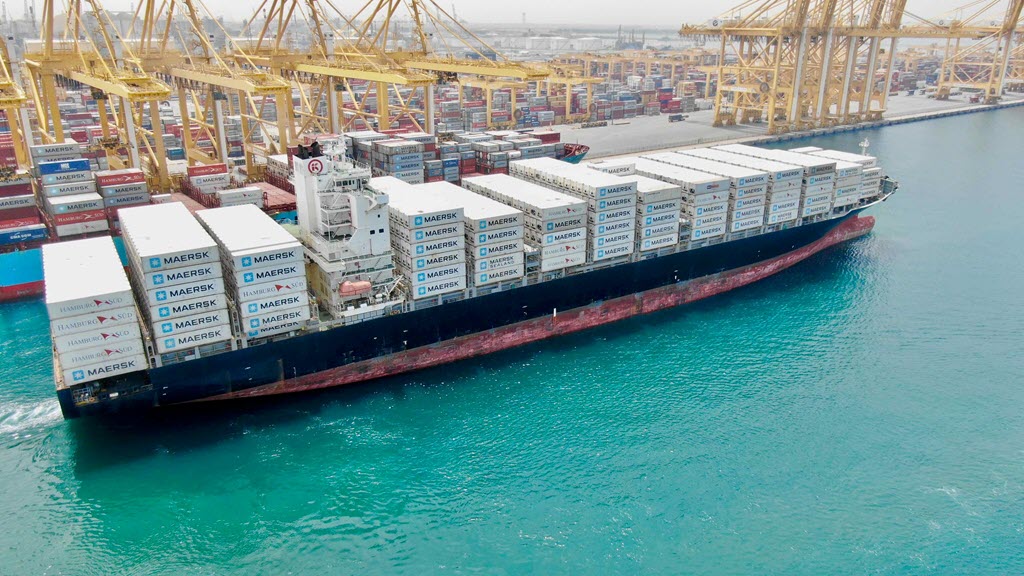
Jordan’s main maritime gateway, Port of Aqaba, continues to operate normally for both inbound and outbound cargo despite a moderate increase in shipping costs imposed by international carriers.
According to the Jordan Logistics Association, port activity remains stable even as regional maritime conditions and higher insurance premiums push freight rates upward across several shipping routes.
Some global shipping lines have temporarily suspended outbound cargo movements from certain Gulf ports due to evolving regional circumstances.
However, cargo exports from Jordan to major markets including Europe, the United States and China are continuing without disruption.
Shipping surcharges
Khatib noted that freight costs have increased slightly for shipments originating from several countries, largely driven by higher oil prices and rising insurance costs for vessels operating in regional waters.
He added that the trend is affecting shipping operations across the Middle East rather than targeting any single country.
Many global shipping companies have introduced temporary “emergency conflict fees” following the outbreak of hostilities in the region. These surcharges are estimated at around $2,000 per 20-foot container and $4,000 per 40-foot container for both imports and exports.
While the charges could place pressure on shipments involving lower value goods, maritime cargo flows through Aqaba remain relatively stable.
Container volumes
Recent operational data suggests that container throughput at Aqaba has increased during the opening months of 2026.
Statistics released by the logistics syndicate show that the Aqaba Container Terminal recorded a 15.1% rise in container arrivals during January and February compared with the same period last year.
The terminal handled 82,659 containers during the first two months of 2026, up from 71,822 containers recorded in January–February 2025.
The increase indicates that Aqaba continues to serve as a key trade gateway for Jordan and neighbouring markets, supporting regional supply chains despite higher transport costs and evolving maritime conditions.
Related Articles

Transport & Logistics in Action – Connecting the M...
22 Oct, 2025 08:40
Appeal made for cargo harmonization across the SSA...
22 Oct, 2025 08:46
4 deals signed between Turkiye, Kuwait...
22 Oct, 2025 13:31
Beit Logistics invests $10.50mln to develop Safaga...
23 Oct, 2025 12:18
Khalifa Port rises to 39th position in Lloyd’s Lis...
23 Oct, 2025 12:24
ASCELA awarded Africa Logistics Zone Development P...
23 Oct, 2025 12:49
FG begins procurement for port modernization proje...
23 Oct, 2025 12:56
NZF delay extends unlevel playing field for EU por...
27 Oct, 2025 09:30
DP World Launches $85 Million Logistics Hub in Egy...
27 Oct, 2025 10:48