Energy Other

Africa urged to harness natural resources to tackle energy poverty


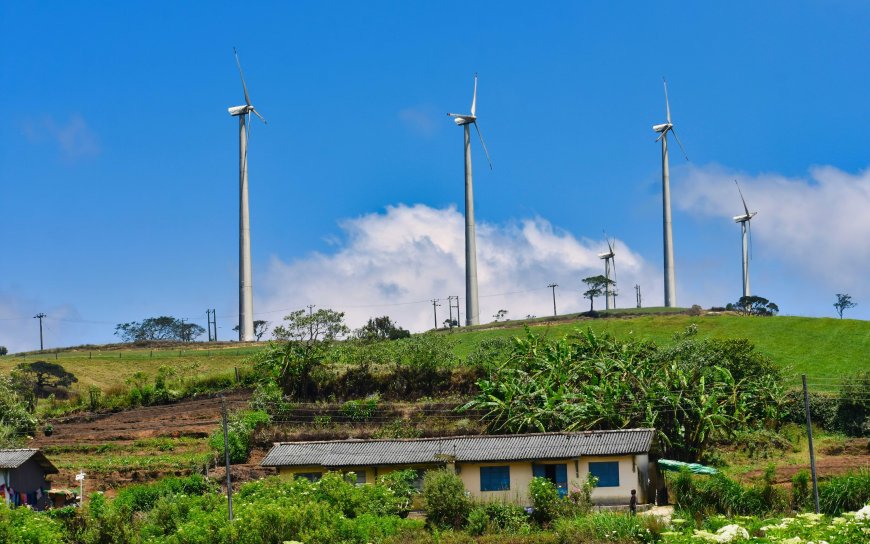
A new report from Wood Mackenzie highlights that Africa can unlock significant economic growth and alleviate widespread energy poverty by simultaneously expanding renewable energy and conventional hydrocarbon resources. Despite possessing abundant natural resources, the continent remains severely energy-poor, with about 600 million people lacking electricity and most relying on traditional fuels for cooking.
Africa is experiencing rapid renewable energy growth, with solar and wind capacity projected to increase nearly 600% over the next decade. However, it currently holds less than 2% of global solar capacity. At the same time, the continent dominates the supply of critical minerals essential for the global clean energy transition—including over two-thirds of the world's cobalt and significant shares of copper, lithium, and rare earths—though most are exported as raw materials, limiting local value addition.
The report notes that Africa’s oil and gas sectors remain underdeveloped, with only one-third of discovered resources commercialized due to governance, regulatory, and financing challenges. Major producers like Nigeria and Angola are pursuing reforms to boost production and attract investment. Furthermore, Africa is a key LNG supplier but consumes only 4% of global gas, with significant potential to expand domestic gas-to-power markets.
Wood Mackenzie argues that a balanced strategy—accelerating renewables while responsibly developing hydrocarbons—offers the most realistic path to industrialization and energy security for Africa’s growing population, which is projected to reach 2.5 billion by 2050. The continent’s low contribution to global emissions (3.5%) provides space for this dual approach, which can be supported by strategic partnerships, improved governance, and increased investment mobilization.
Related Articles
Kuwaiti oilfield comes onstream officially after 1...
22 Sep, 2025 12:56
African Energy Week (AEW) 2025: Unlocking the Pote...
22 Sep, 2025 13:22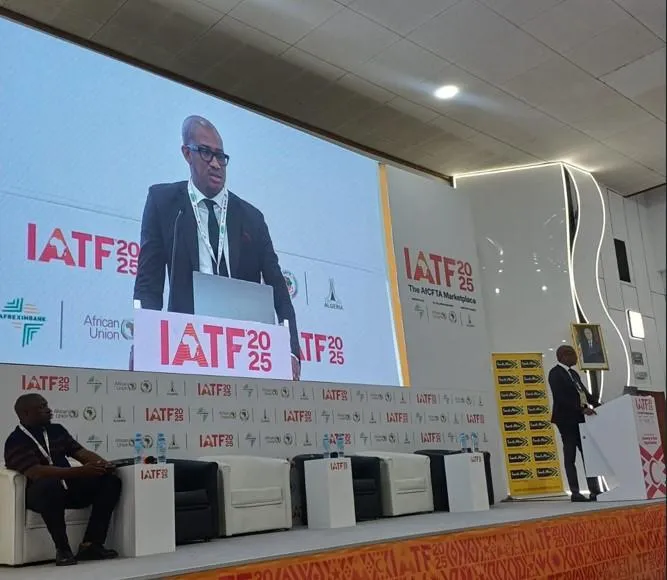
South Africa warns illegal car imports threaten ne...
23 Sep, 2025 06:31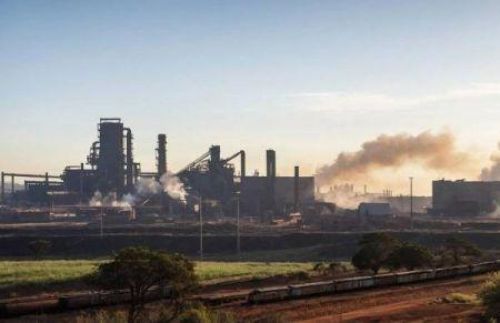
South Africa Confronts EU Carbon Border Mechanism...
23 Sep, 2025 12:33
South Africa, China Deepen Investment Ties in Key ...
24 Sep, 2025 07:35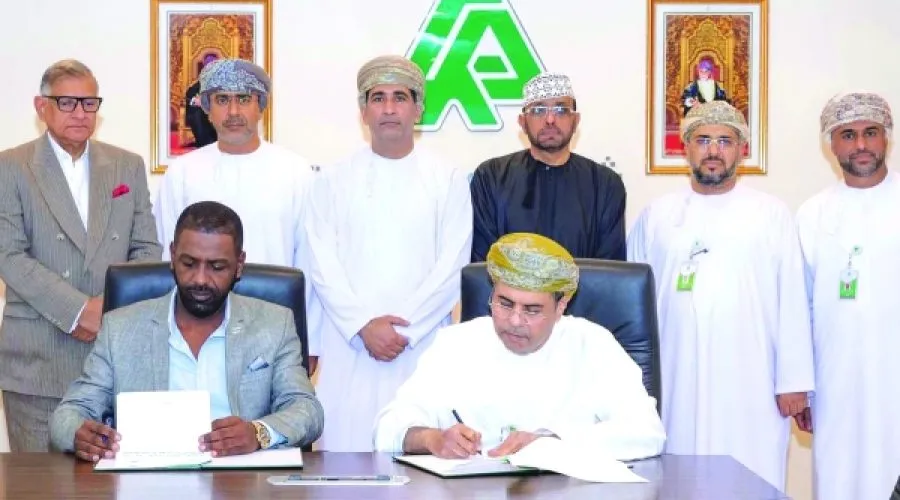
Raysut Cement’s Expansion into Libya and North Afr...
24 Sep, 2025 07:40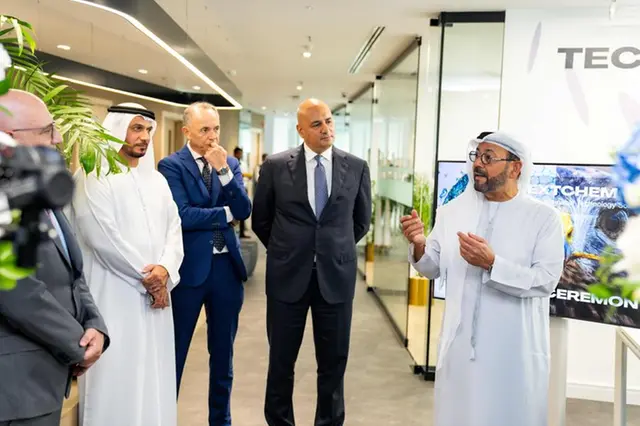
Nextchem opens regional office in Abu Dhabi...
24 Sep, 2025 08:10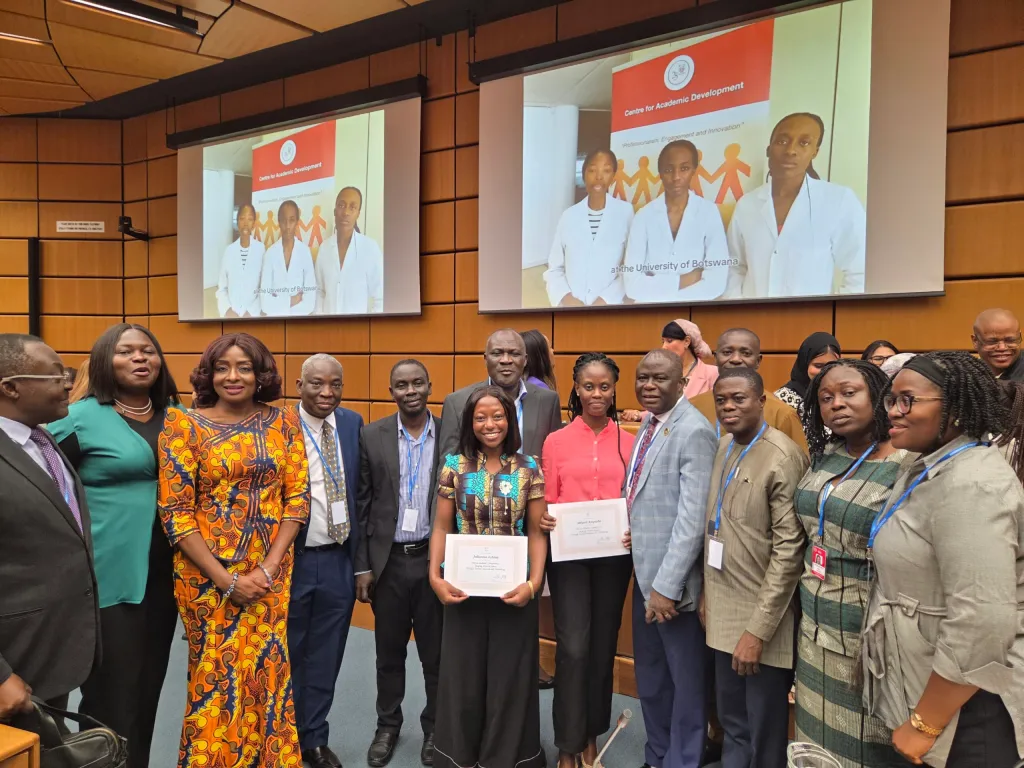
Ghanaian students win top honours in IAEA’s Female...
24 Sep, 2025 09:32
Key Sectors Linking Mauritania and Gambia...
24 Sep, 2025 09:40