Energy Other

Abu Dhabi commits $300bn to energy transition


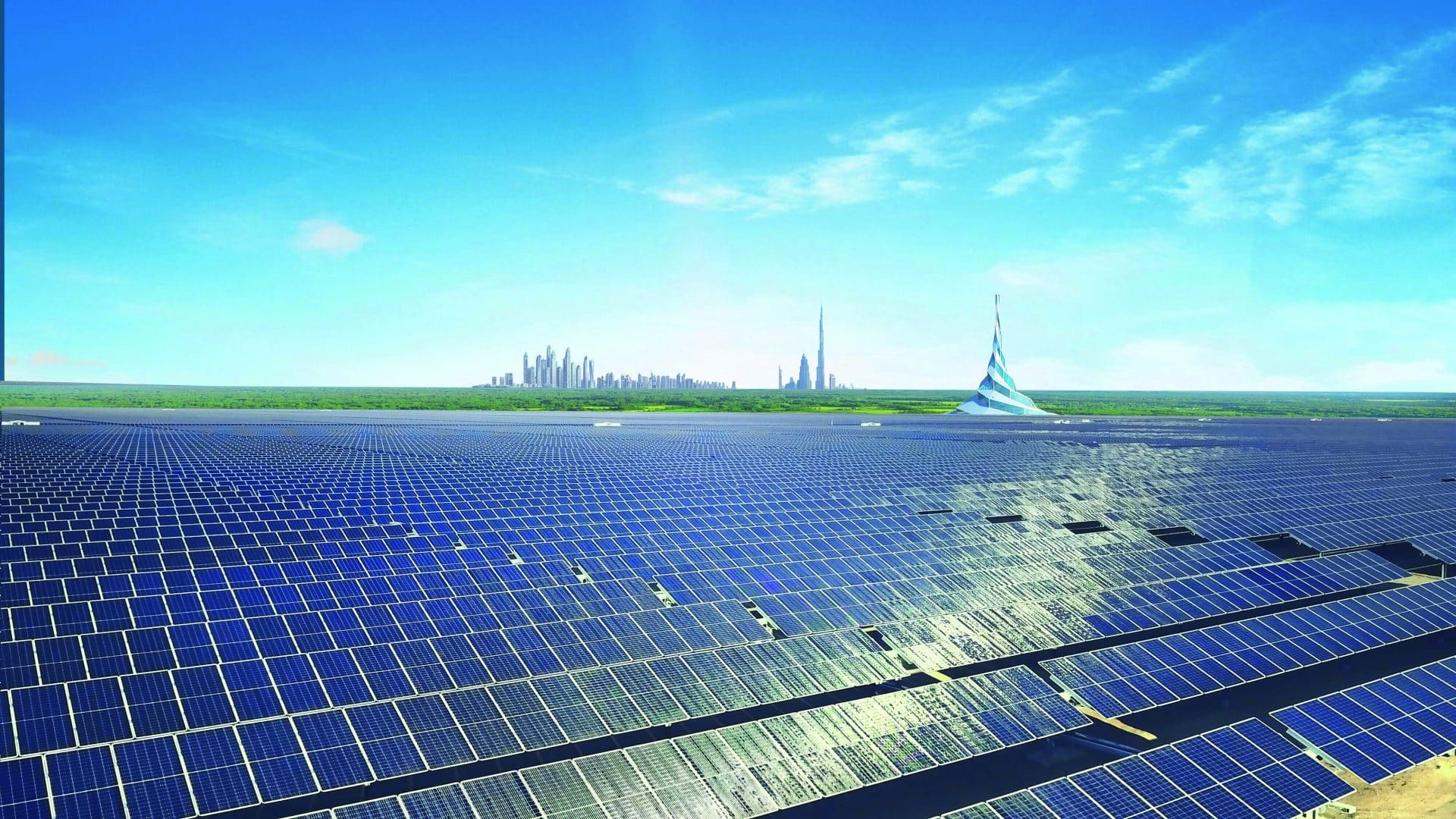
Abu Dhabi is committing more than $300bn in capital expenditure over the next decade to expand and modernise its energy and water systems, as it lays the foundations for long-term growth built on security, sustainability and economic resilience.
According to a news report by Gulf Business (GB), the emirate currently invests around Dh35bn annually to operate, develop and advance its energy and water sector, supporting an integrated system designed to meet rising demand while strengthening reliability and environmental performance.
GB further reported that Dr Al Jarwan said today’s regulators must act as system designers and orchestrators, aligning policy, capital and operations to ensure strategic ambitions are translated into measurable outcomes. He said this approach is central to protecting customers, providing clarity for investors and maintaining confidence across the sector.
Abu Dhabi’s clean energy transition has accelerated rapidly over the past decade. Ten years ago, renewable and clean energy accounted for less than 1% of the emirate’s energy mix. Today, that share has reached 45% and is expected to exceed 60% before 2030, representing a 60-fold increase in less than 15 years delivered securely, affordably and competitively.
The growth has been driven primarily by large-scale solar deployment. Abu Dhabi is adding more than 3GW of cost-competitive solar capacity each year and is on track to surpass 33GW of renewable power capacity before 2035. This expansion is being supported by plans for 20GWh of energy storage to enhance grid stability and operational flexibility.
Dr Al Jarwan described the strategy as sustainability by design, based on selecting the right mix of technologies rather than relying on a single solution. He said the approach reflects a sovereign energy mix tailored to the UAE’s long-term development priorities.
Looking ahead, Abu Dhabi’s strategy for the next decade is shaped by the growing interdependence of energy, water, climate and food systems. Under the theme “Nexus of the Next,” Dr Al Jarwan outlined five guiding imperatives underpinning policy direction: resilience, affordability, credibility, innovation and collaboration.
He said resilience requires systems capable of absorbing shocks while remaining reliable, while affordability is driven by efficiency and technological optimisation rather than continual capacity build-out. Innovation and collaboration, he added, are essential to delivering progress in increasingly complex systems.
Dr Al Jarwan also stressed that infrastructure alone will not determine success, highlighting the importance of human capital. He said the people who design, operate, regulate and continuously improve energy and water systems are the most valuable asset underpinning Abu Dhabi’s long-term transition.
Related Articles
Kuwaiti oilfield comes onstream officially after 1...
22 Sep, 2025 12:56
African Energy Week (AEW) 2025: Unlocking the Pote...
22 Sep, 2025 13:22
South Africa warns illegal car imports threaten ne...
23 Sep, 2025 06:31
South Africa Confronts EU Carbon Border Mechanism...
23 Sep, 2025 12:33
South Africa, China Deepen Investment Ties in Key ...
24 Sep, 2025 07:35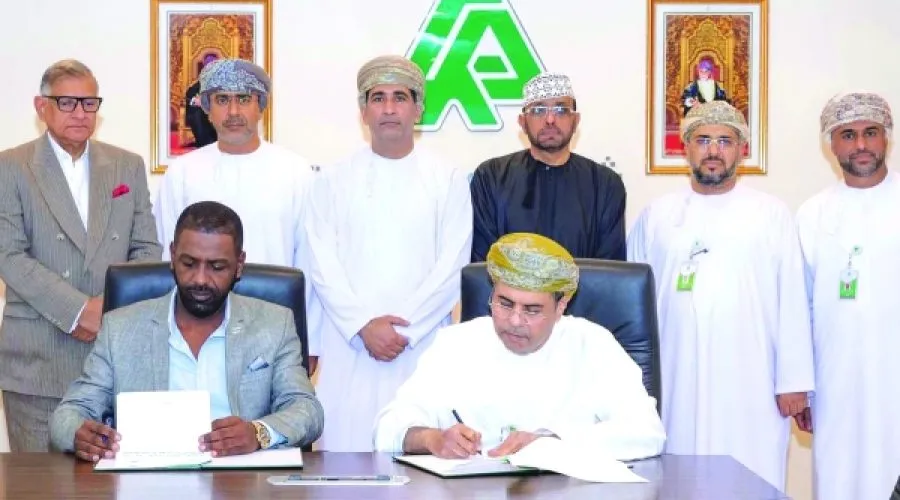
Raysut Cement’s Expansion into Libya and North Afr...
24 Sep, 2025 07:40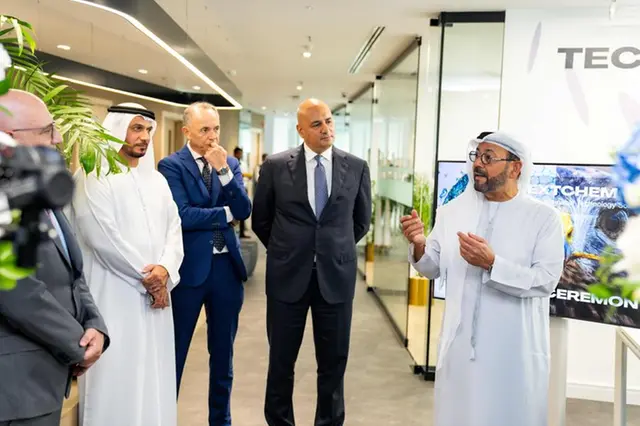
Nextchem opens regional office in Abu Dhabi...
24 Sep, 2025 08:10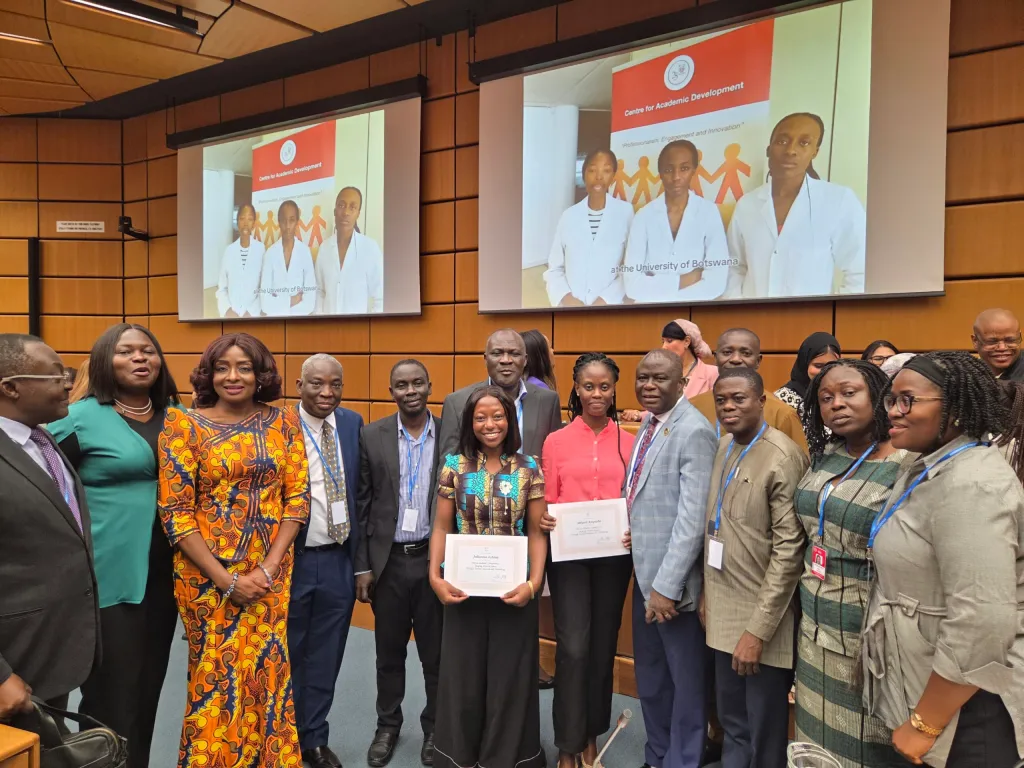
Ghanaian students win top honours in IAEA’s Female...
24 Sep, 2025 09:32
Key Sectors Linking Mauritania and Gambia...
24 Sep, 2025 09:40