Precious Metals

Why West African Gold Refineries Still Depend on a London Institution


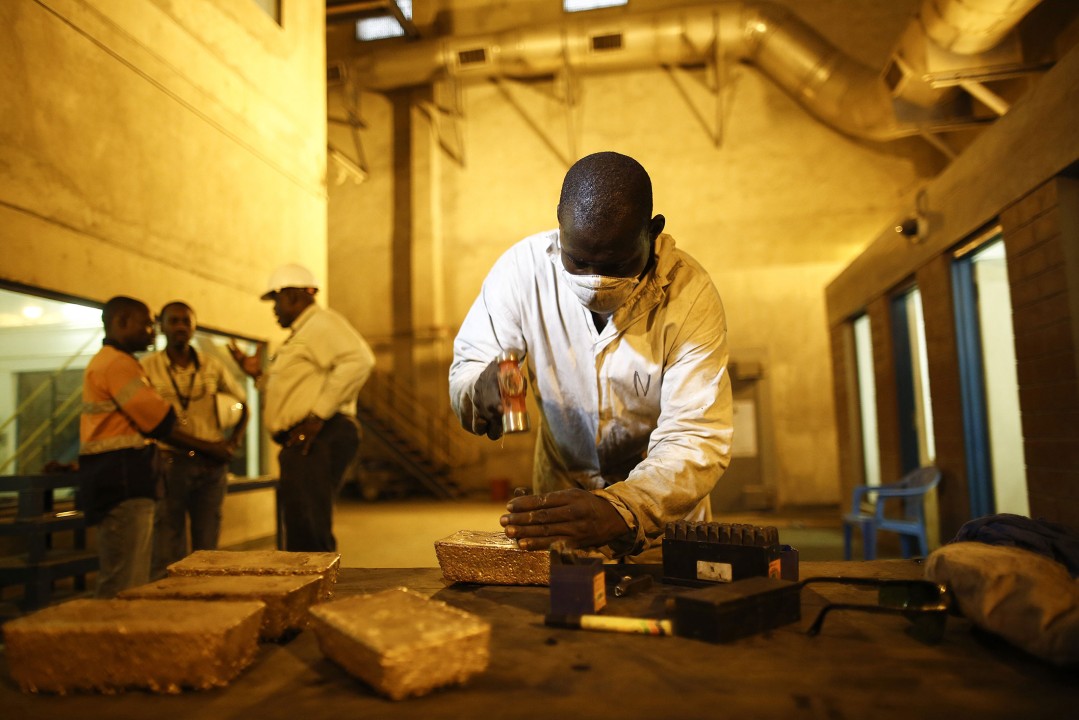
Ghana’s GoldBod introduced a new gold pricing regime on July 1, 2026 based on LBMA pricing windows. The move highlights the influence of the London-based institution on West Africa’s efforts to process more of its gold domestically.
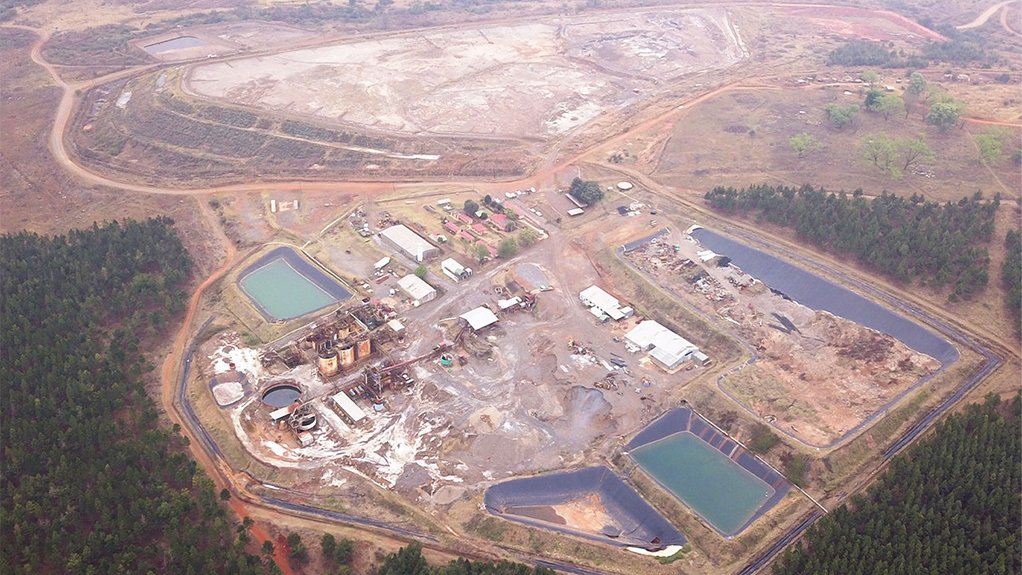
Guinea plans to commission its first gold refinery during July, putting the country ahead of Burkina Faso and Mali, which are developing similar facilities.
Building and operating refineries represents only one stage of the gold value chain. Producers must also ensure that international banks, bullion traders, investors and central banks immediately accept their refined gold. At that stage, LBMA recognition often becomes essential.
A Commercial Passport for Gold Refineries
The LBMA does not operate as a traditional exchange. Instead, it serves as the principal standards authority for the global wholesale precious metals market.
Its Good Delivery List identifies refineries whose bullion meets internationally recognized technical, quality and traceability standards.
As a result, many industrial gold mines across Africa continue to send doré bars to Switzerland, South Africa and other refining hubs. Mining companies do not necessarily oppose domestic processing. Instead, they seek internationally recognized bullion that buyers can trade, store or use as collateral without additional certification.
A refinery without LBMA accreditation can still produce high-purity gold. However, another accredited refinery may need to verify and remelt that bullion before international markets fully accept it.
By contrast, LBMA accreditation streamlines commercial transactions. It reduces additional testing requirements, improves bullion liquidity and reassures buyers about both product quality and responsible sourcing.
Africa remains underrepresented within the LBMA system.
South Africa’s Rand Refinery is currently the only LBMA-accredited gold refiner on the continent. That status explains its role as a natural partner for emerging African refining projects.
In January 2026, Rand Refinery announced a partnership with Gold Coast Refinery in Ghana to support the local refining of artisanal gold and help the company meet international standards for assaying, refining and responsible sourcing.
Ghana Charts the Course
As Africa’s largest gold producer, Ghana has moved ahead of many West African peers by commissioning several gold refineries in recent years.
However, policymakers recognize that building refineries alone will not secure international market access.
Last month, GoldBod signed an agreement to purchase 30% of production from the country’s major mining companies starting on July 1, 2026. The agency aims to obtain LBMA accreditation for at least one domestic refinery by 2030.
Under the arrangement, local refineries will process the purchased doré gold before sending it to an LBMA-accredited refinery for final melting, stamping and delivery to the Bank of Ghana as part of the country's official gold reserves.
The strategy extends a policy direction first outlined in 2024 during the inauguration of Royal Ghana Gold Limited.
At the time, the Governor of the Bank of Ghana said that LBMA accreditation would reduce the country's dependence on foreign refineries, increase holdings of refined gold reserves and support domestic production of gold coins and other investment products.
The remaining question is whether other refineries planned across West Africa will pursue the same path by seeking inclusion on the Good Delivery List.
Meeting the standard requires far more than constructing a refinery.
The LBMA requires applicants to maintain a minimum net worth of £15 million ($20 million), produce at least 10 tonnes of refined gold annually and demonstrate several years of operational history.
Applicants must also comply with the LBMA Responsible Gold Guidance. The framework requires refiners to trace the origin of gold, assess risks related to armed conflict, money laundering, terrorist financing and human rights abuses, and submit the entire due diligence system to an independent audit covering a 12-month period.
Related Articles

Investigation uncovers fraudulent identity documen...
10 Sep, 2024 08:08
The Top Five Gold-Producing Countries in Africa in...
10 Sep, 2024 08:46
AngloGold notes ‘enormous geological potential’ in...
10 Sep, 2024 09:29
Awalé Resources expands BBM gold zone at Odienné p...
10 Sep, 2024 11:38
Proposed amendment: Gold mines to be subject to th...
10 Sep, 2024 12:39
Pan African Resources Annual Result Improves; Expe...
12 Sep, 2024 07:42
African countries are joining the sovereign gold-b...
12 Sep, 2024 08:07
Platinum Group Metals Ltd. Announces Positive Inde...
16 Sep, 2024 09:11
At least 20 likely dead in violence near Papua New...
16 Sep, 2024 10:37