Generation

Why Mena is still backing green hydrogen despite demand doubts


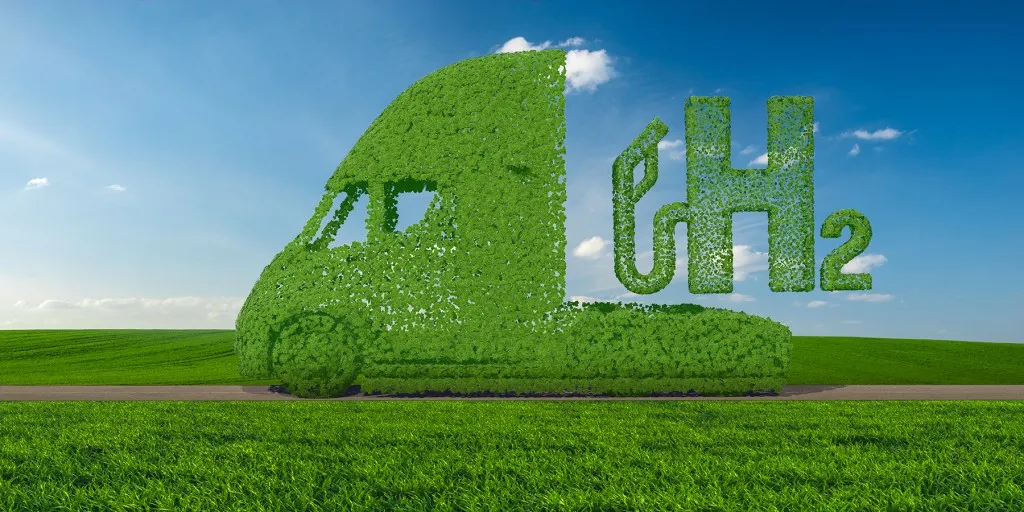
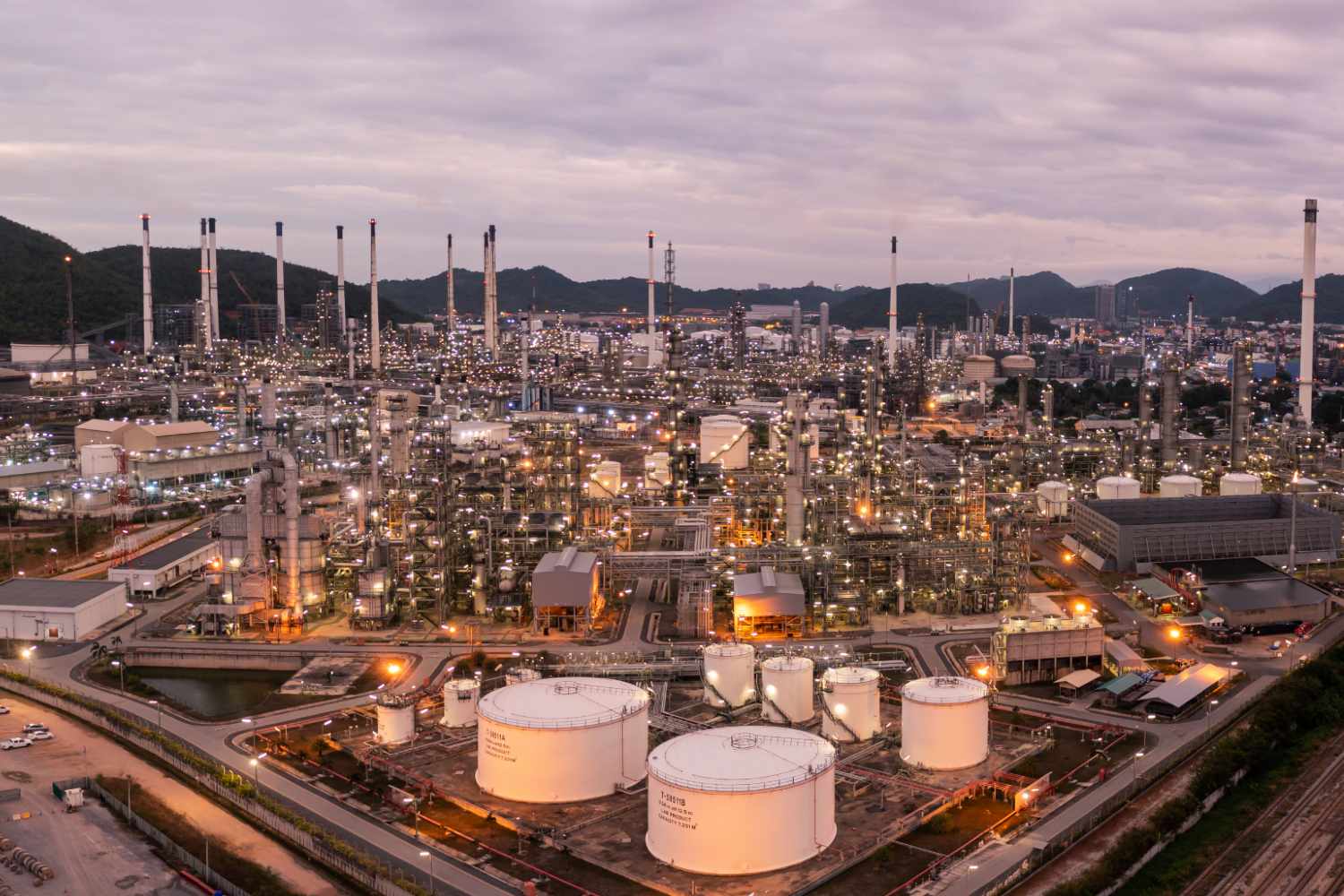
Abundant sunshine and desert winds give the Middle East and North Africa some of the world’s best conditions for producing green hydrogen, raising hopes the region could become a global powerhouse for a fuel seen as vital to the energy transition.
Governments from Morocco to Oman are backing some of the industry’s biggest green hydrogen and green ammonia projects, aiming to use cheap renewable power to become major exporters of low-carbon fuels in the 2030s.
But questions are being raised over whether demand will be sufficient to absorb the supply being created, as companies struggle to secure customers.
Hydrogen is already used widely around the world, mainly in oil refining and in the production of ammonia and fertilisers. Green hydrogen uses renewable electricity – typically from solar or wind farms – to split water into hydrogen and oxygen, through a process known as electrolysis.
Much of the Middle East and North Africa’s planned output will be used to produce green ammonia, which combines green hydrogen with nitrogen from the air. Ammonia is already an important ingredient in fertilisers, but it is also expected to play a growing role as a low-carbon shipping fuel and in transporting hydrogen internationally.
Saudi Arabia’s Neom Green Energy Project is set to be one of the world’s largest, while Oman is also betting heavily on the sector with a series of large-scale projects along its coastline.
The International Energy Agency estimates that low-emission hydrogen projects could produce 37 million tonnes a year by 2030 – but warned in a report last month that demand is uncertain and that a shortage of offtake agreements is an obstacle to the industry’s growth.
Nishant Kumar, renewables and power analyst for Europe, the Middle East and Africa at Rystad Energy, believes Oman remains one of the region’s strongest prospects.
“Oman targets 30 percent renewable power generation by 2030, up from 8 percent as of 2025,” Kumar says.
“With a balanced solar photovoltaic, onshore wind and green hydrogen pipeline, Oman is expected to meet and potentially exceed the target.
“However, this growth depends on the materialisation of green hydrogen projects, which are facing headwinds due to a lack of offtake contracts.”
In December 2025, BP withdrew from its flagship giga-scale project at the Omani port of Duqm, but the oil giant is still backing another scheme, known as Hydrom, a subsidiary of the state-backed Energy Development Oman.
Research group DNV also expects the industry to expand more slowly than previously forecast, cutting its long-term outlook for clean hydrogen by 45 percent compared with its 2022 forecast, as projects have been delayed and policy support has weakened.
However, it believes China and the Middle East and North Africa could together account for around half of global renewable and low-carbon hydrogen production by 2060.
Related Articles
Parliament Committee says no need to review three ...
10 Sep, 2024 07:57
Zimbabwe’s Biggest Miners Seek $182 Million for So...
12 Sep, 2024 06:57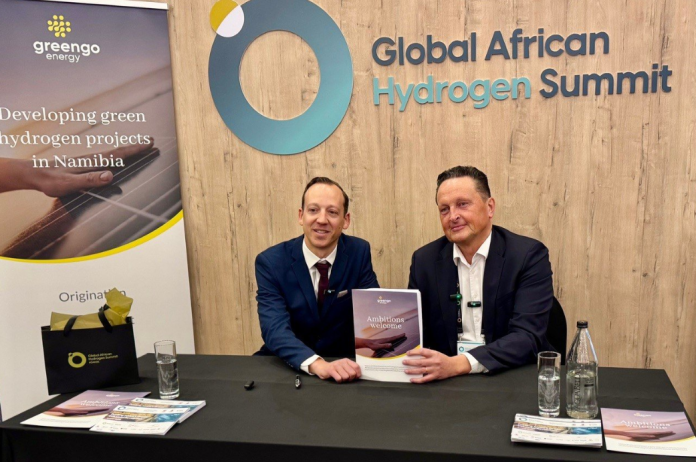
GreenGo Energy Expands into Namibia with Strategic...
12 Sep, 2024 07:51
OPEC Fund approves $1.2 billion for development pr...
13 Sep, 2024 08:59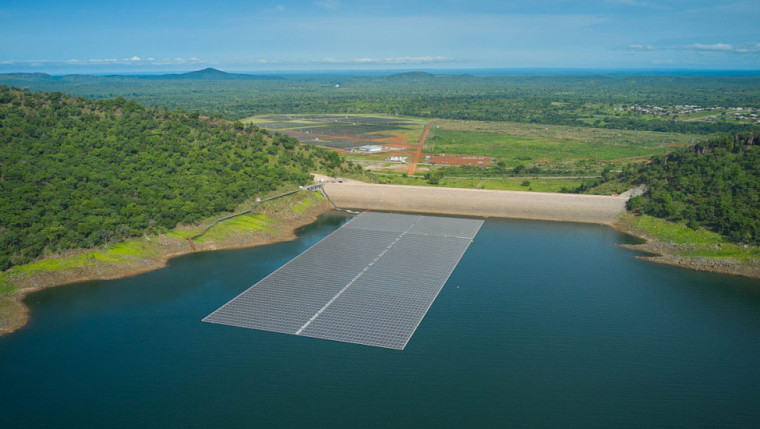
Floating solar starts to gather pace in Africa, as...
13 Sep, 2024 13:18
Prominent South African energy company files for l...
16 Sep, 2024 11:00
Libyan Export Decline and Fed Speculation Propel O...
17 Sep, 2024 08:00
South Sudan says it is ready to restart pumping oi...
17 Sep, 2024 13:23
Interest grows in Africa’s oil and gas hotspot...
18 Sep, 2024 10:42