Precious Metals

The Networks Behind Illegal Gold Mining in Côte d’Ivoire


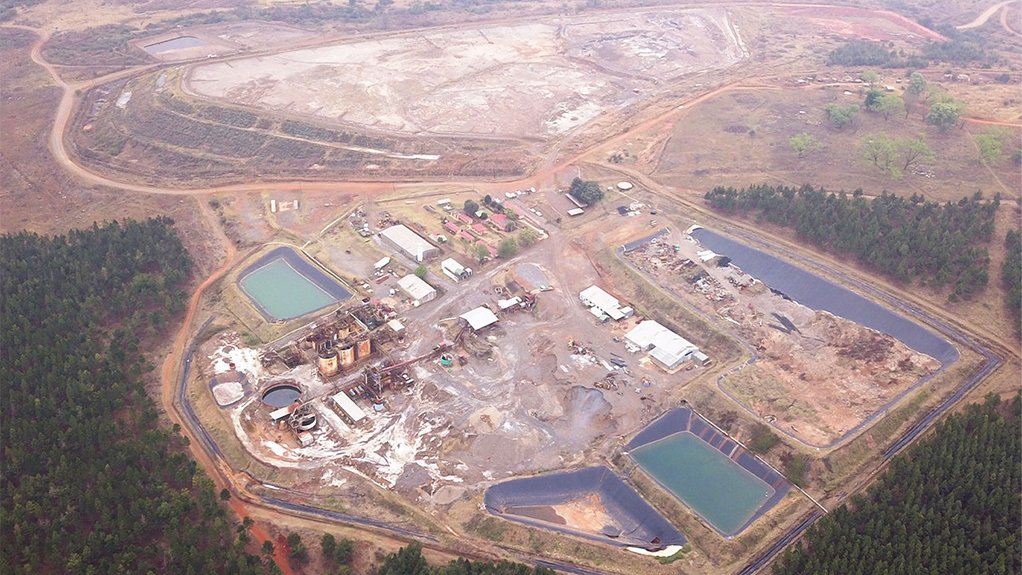
Côte d’Ivoire is stepping up operations against illegal gold mining but has yet to bring it under control. In late July, the National Security Council (CNS) reported that more than 8,500 sites had been cleared since 2021 and 4,474 people referred for prosecution, 65% of them foreign nationals. Authorities also seized more than 960 million CFA francs and about 136 kg of gold.
In the same statement, however, the CNS noted the “persistence, and even expansion” of the activity, a paradox suggesting that clandestine mining sites, with their shafts and workers, are only the most visible part of a broader economy.
The figures give a sense of the economic stakes. NGO SWISSAID recorded only 329 kg of declared artisanal and semi-industrial production in 2022, but used an estimate of 30 to 40 metric tons a year for undeclared artisanal production in the early 2020s. For Côte d’Ivoire, the organization estimates that a similar amount could be smuggled out of the country, mainly through Burkina Faso and Mali.
With gold trading at close to $4,370 an ounce on Aug. 18, those 30 to 40 metric tons would theoretically represent between $4.2 billion and $5.6 billion worth of metal. That figure is neither established revenue nor profit, but the order of magnitude is enough to show that the money generated by the trade cannot be gauged solely from the earnings of workers who extract ore for years without becoming substantially wealthier.
The miner does not hold the purse strings
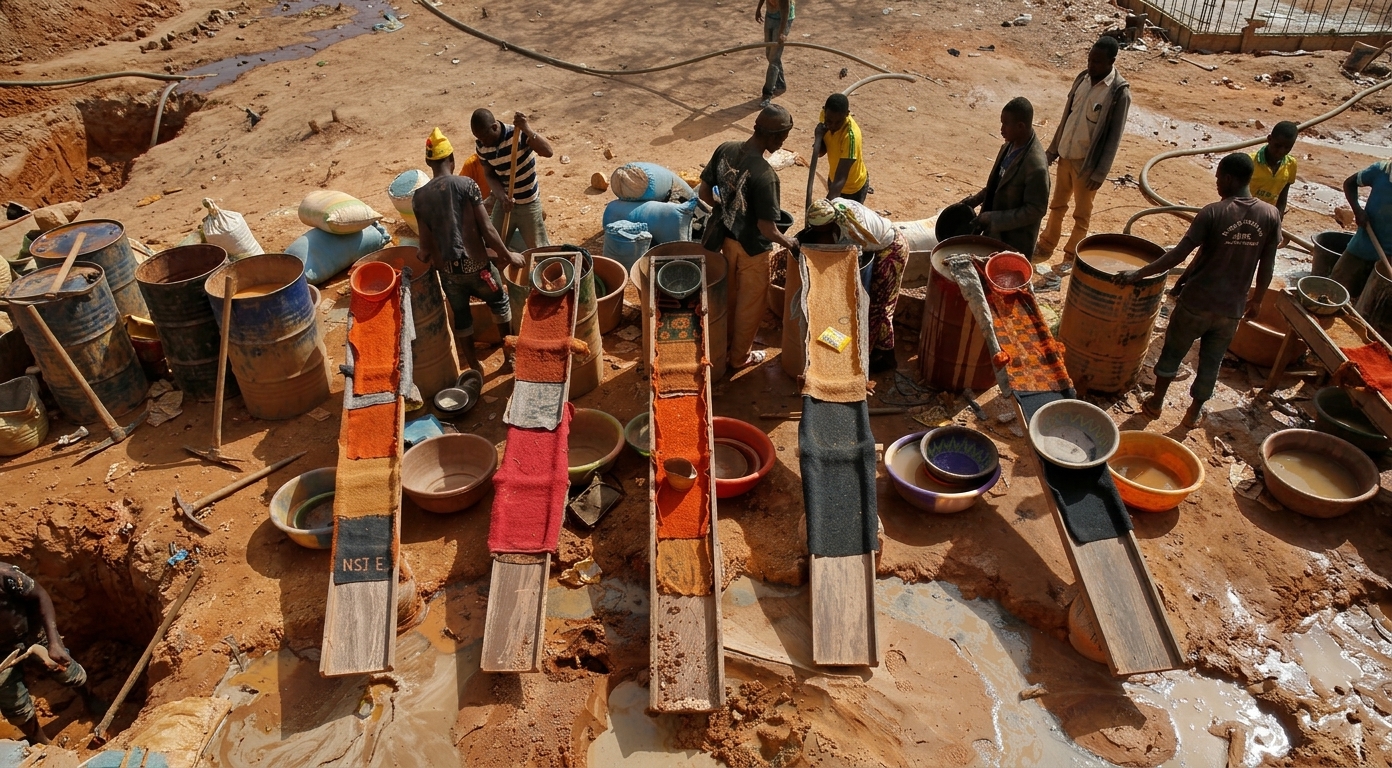
A study published in 2026 by researchers at Félix Houphouët-Boigny University offers a view of how power is distributed within individual mining sites. Conducted in the Nawa region between 2022 and 2025, it describes workers operating under a supervisor who manages machinery and supplies for the site and collects the gold produced. At the sites studied, proceeds are divided among the machine owner or supervisor, site operating costs and the workers.
The study was confined to the Nawa River area. It nevertheless shows that the industry extends well beyond the miners working at the sites. It also involves site managers and owners of production equipment, who are not necessarily arrested during security force operations.
The system is not new. In 2014, a United Nations Group of Experts documented a network in the Katiola region in which a former rebel commander provided gold miners with upfront financing, bought their production for between 12,000 and 13,000 CFA francs per gram, then resold it in Abidjan for about 19,000 CFA francs.
Those findings, more than a decade old, do not establish what the individuals cited are doing today, but they show that this kind of arrangement was already in place more than a decade ago and may since have spread.
Other actors, including local authorities, also shape the system linking financiers and miners. In early August, PDCI-RDA spokesman Bredoumy Soumaïla accused some traditional leaders, elected officials and senior figures of facilitating the activity. The government itself acknowledges the decisive role of local authorities through its spokesman, Amadou Coulibaly. He said an illegal gold miner could not establish operations in a village without going through those who control local land rights.
Law enforcement agencies also appear in this clandestine economy, this time as actors controlling access to mining sites. The researchers said they witnessed an inspection during which enforcement officers initially demanded one million CFA francs per machine before an arrangement was negotiated with the owner. Mining resumed after payment.
Testimony collected from miners as well as members of the security forces describes a system in which the threat of closure can become a means of extracting payments. When enforcement becomes negotiable, it may raise the cost of illegal mining rather than stop it.
Beyond Côte d’Ivoire’s borders
Illegal gold mining is difficult to suppress because the networks behind it can extend beyond the reach of national authorities. As early as 2014, U.N. experts tracked gold illegally extracted in the Bouna region and then transported to Burkina Faso.
That gold can then reach international markets, particularly through regional networks, including terrorist-linked networks, that converge on trading hubs such as Dubai. A map published in 2025 by the Global Initiative Against Transnational Organized Crime estimates that JNIM draws resources from artisanal gold mining in parts of the Burkina Faso-Côte d’Ivoire border area.
This is probably where one of the main limits of an enforcement-only approach lies. Abidjan can close sites, prosecute financiers and buyers, strengthen oversight of its own enforcement personnel and further formalize artisanal mining. A partnership launched in 2025 with the World Bank and the World Gold Council is intended to create legal and traceable supply chains.
If gold crosses a border, is mixed with production from a neighboring country and is then relabeled as originating elsewhere in an international trading center, part of the enforcement problem falls beyond Côte d’Ivoire’s jurisdiction. Beyond closed shafts and seized machinery, effective enforcement also depends on international cooperation and the traceability of gold all the way to refineries.
Related Articles

Investigation uncovers fraudulent identity documen...
10 Sep, 2024 08:08
The Top Five Gold-Producing Countries in Africa in...
10 Sep, 2024 08:46
AngloGold notes ‘enormous geological potential’ in...
10 Sep, 2024 09:29
Awalé Resources expands BBM gold zone at Odienné p...
10 Sep, 2024 11:38
Proposed amendment: Gold mines to be subject to th...
10 Sep, 2024 12:39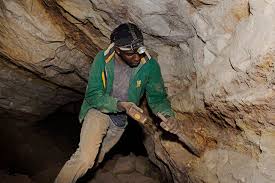
Pan African Resources Annual Result Improves; Expe...
12 Sep, 2024 07:42
African countries are joining the sovereign gold-b...
12 Sep, 2024 08:07
Platinum Group Metals Ltd. Announces Positive Inde...
16 Sep, 2024 09:11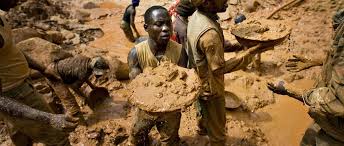
At least 20 likely dead in violence near Papua New...
16 Sep, 2024 10:37