Autres (logistique)

Suez Comeback: Shipping Giants Accelerate Red Sea Return as Alliance Splits Emerge


By: OrePulse
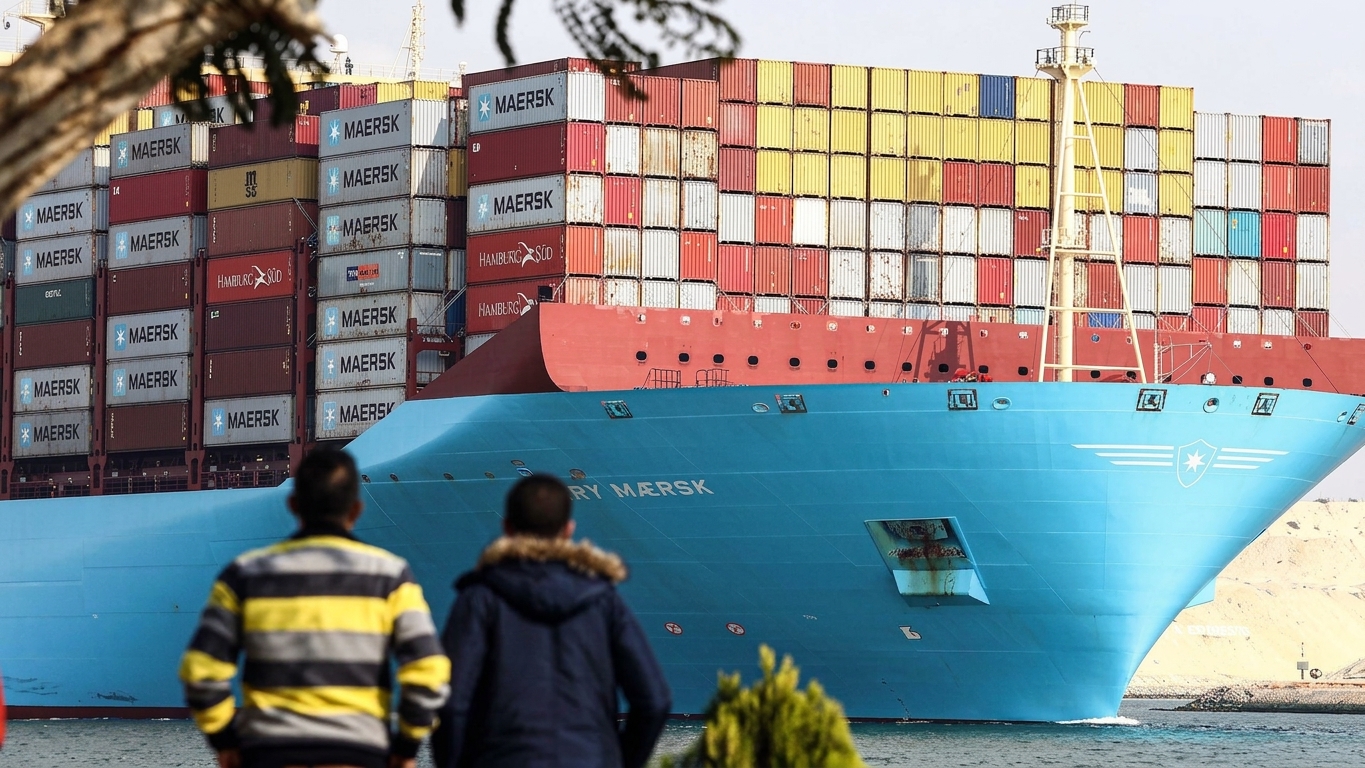
Maersk and Hapag-Lloyd, partners in the Gemini Cooperation alliance, are shifting four additional container services away from the lengthy Cape of Good Hope detour and back toward the Red Sea and Suez Canal corridor. This latest move brings the total to seven redirected services since the phased return began in July.
The four services in question — designated NE4, SE1, SE2 and IEX — link Asian ports with Northern Europe and the Mediterranean, and connect India to European markets. Vessels departing westbound from Tanjung Pelepas and Colombo will begin the new routing on September 19, while eastbound departures from Algeciras, Vado Ligure and Tangier follow on September 22. Hapag-Lloyd has said it will release the exact sailing schedule for the SE1 service later.
In explaining the decision, the two carriers pointed to the Suez route's efficiency advantages, noting it offers a quicker path for customers moving cargo between Asia and Europe. Both companies emphasized that the move hinges on regional security conditions holding steady, and pledged to keep monitoring the situation and alert customers should circumstances change.
This latest expansion builds on a gradual pullback from Cape routing that Gemini Cooperation kicked off in July, starting with the AE15 service connecting Asia and the Mediterranean. Maersk later shifted its MECL service back to the Suez passage, followed by the AE19 service in August. The pace of this most recent announcement marks a notable departure from the alliance's more tentative first attempt to resume Red Sea transit in February.
The implications for global shipping capacity are considerable. Maritime data firm Xeneta has previously estimated that if major shipping alliances fully abandon the Cape route in favor of Suez, it could free up somewhere between 6% and 8% of global containership capacity — tonnage that has effectively been absorbed by the extra sailing time the longer Cape journey requires ever since the initial Red Sea diversions began.
Not every carrier is on board with this shift, however. Evergreen, along with the Premier Alliance grouping of Ocean Network Express, HMM and Yang Ming, have yet to resume transiting the Red Sea, leaving the container shipping industry divided between those normalizing operations and those continuing to avoid the corridor.
The decision hasn't gone without pushback. James Hookham, who leads the Global Shippers Forum, characterized the accelerated return as an unnecessarily risky move, pointing to ongoing instability in the Middle East and what he sees as ties between Houthi forces and Iran. Not everyone in the industry agrees with that assessment — maritime analyst Lars Jensen has argued that with no container vessels attacked in the southern Red Sea for over a year now, resumed normal operations should arguably be treated as the new standard rather than a risky exception.
This renewed shift toward Suez unfolds alongside a separate and seemingly unrelated development: Iran's Persian Gulf Strait Authority has been progressively expanding its list of vessels accused of breaching transit rules through the Strait of Hormuz, a critical passage through which a substantial portion of the world's oil and gas shipments travel. The contrast is striking — container shipping lines are returning to the Suez corridor with growing confidence even as tanker and bulk cargo operators face escalating regulatory scrutiny from Tehran when transiting Hormuz. This divergence suggests that security risk is being evaluated very differently depending on which Middle Eastern shipping corridor is involved.
If Asia-to-Europe container trade continues to normalize through Suez, the ripple effects would extend well beyond the Middle East. African ports along the Cape of Good Hope route, which picked up extra transshipment activity, bunkering business, and related port revenue while vessels were rerouted, are likely to see that additional traffic gradually diminish as ships revert to the shorter Suez passage.
Neither Maersk nor Hapag-Lloyd has offered specifics on how much volume or revenue African ports stand to lose as a result of this shift, and there's currently no indication of when — or whether — the remaining Gemini services still using the Cape route might eventually follow suit and return to Suez as well.
Articles similaires

South African table grape industry and Transnova A...
22 oct., 2025 08:25
Spiro Raises US$100 Million in Africa’s Largest-Ev...
22 oct., 2025 09:33
NXN and SAEED unite within Sharjah’s logistics sec...
24 oct., 2025 07:48
TAHA Unveils HortiMarket A Digital Platform Revolu...
24 oct., 2025 08:21
Chinese technology takes center stage at Ghana's t...
27 oct., 2025 09:17
Kenya Airways flies first African route, from Nair...
27 oct., 2025 09:23
Madbouly inaugurates $85mln DP World's logistics p...
27 oct., 2025 12:56
Airbus cargo outlook shows 3.3% annual growth and ...
28 oct., 2025 08:21
Nominations now open for the Logistics Saudi Award...
28 oct., 2025 08:27