Energy Markets

Oil prices rise to $78.91 as U.S.-Iran tensions disrupt Strait of Hormuz outlook


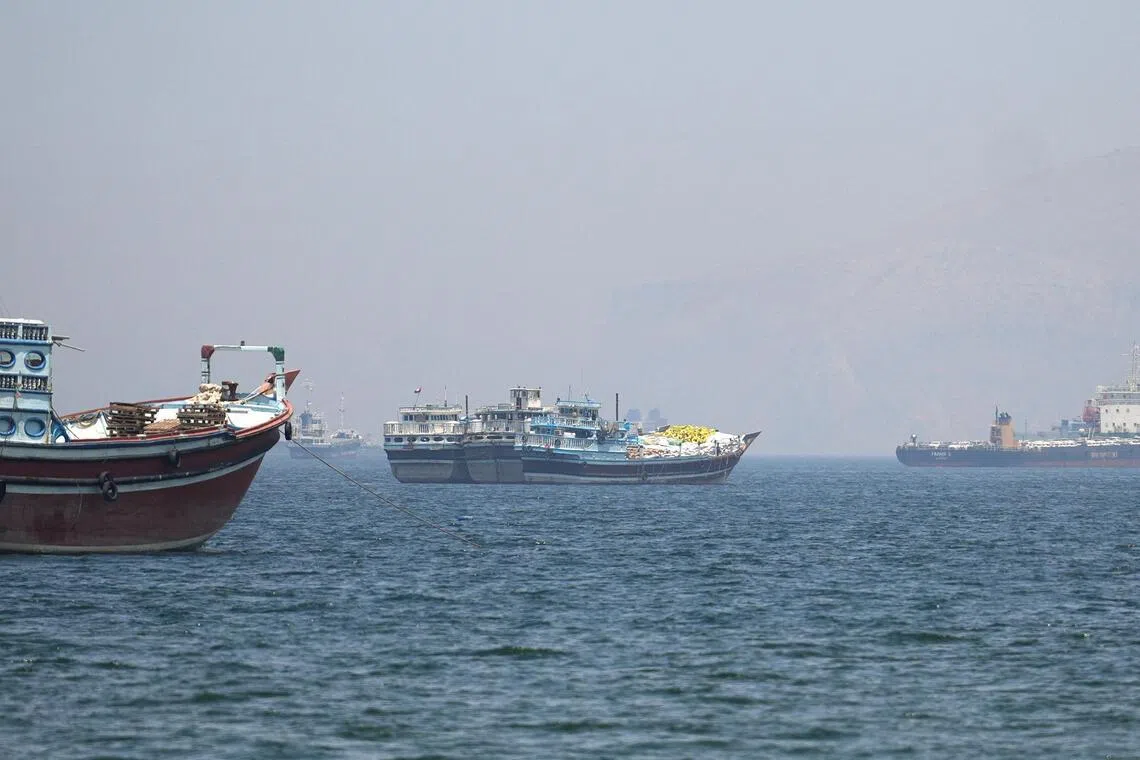
Oil prices climbed on Thursday after the United States carried out new strikes against Iran, weakening expectations of a swift resolution to the conflict and delaying prospects for the full reopening of the Strait of Hormuz, a critical shipping route that previously handled around one-fifth of global oil supplies.
As of 4:04 GMT, Brent crude futures gained 89 cents, or 1.14 percent, to $78.91 a barrel, while U.S. West Texas Intermediate (WTI) crude futures advanced 85 cents, or 1.16 percent, to $74.37 a barrel.
Renewed Hormuz tensions lift oil by more than $1
Oil prices had risen by more than $1 in post-settlement trading on Wednesday after the U.S. military launched additional strikes on Iran. Earlier, both crude benchmarks had settled at their highest levels in more than two weeks after U.S. President Donald Trump warned of potential new strikes against Iran as early as Wednesday night.
The U.S. military said it had launched additional strikes on Iran to help maintain the flow of traffic through the strategically important Strait of Hormuz, hours after Trump said an interim deal to end the conflict was “over.”
Washington said the latest strikes were in response to Tuesday’s attacks on three tankers traveling through the strait. The U.S. strikes affected several cities along Iran’s southern coastline and caused power outages in some areas.
Iran said on Wednesday that it had launched attacks on U.S. military facilities in Bahrain and Kuwait in retaliation for earlier American strikes targeting infrastructure sites.
Markets eye signs of further disruptions to crude exports
Following the recent developments, the U.S.-led Joint Maritime Information Center elevated the security risk level for vessels operating in the Strait of Hormuz to “severe,” while the International Maritime Organization advised ships to take heightened precautions when navigating the key waterway.
The escalation has raised new concerns over the recovery of oil exports from the Gulf region. Tanker activity through the Strait of Hormuz had been gradually returning to normal after last month’s ceasefire, but traders are now worried that additional attacks on commercial vessels could disrupt that progress and pose renewed risks to crude shipments from the Persian Gulf.
As oil prices continue to rise, markets are now focused on developments in the U.S.-Iran conflict, the security situation in the Strait of Hormuz and any potential signs of further disruptions to crude exports from the Middle East.
Related Articles

Renewable Energy Storage Market 2025 Forecast - La...
21 Oct, 2025 07:12
Solar power mistake in South Africa costs homeowne...
21 Oct, 2025 07:54
An Investor’s Guide to Africa...
21 Oct, 2025 09:47
Doha Strike Shakes Global Energy Assumptions...
22 Oct, 2025 13:01
GCC and Russia Deepening ties in a multipolar Midd...
23 Oct, 2025 11:59
Tesla prepares first steps into Africa with Morocc...
23 Oct, 2025 13:29
Off-Grid Solar Energy Market to grow at 17.42 GW b...
23 Oct, 2025 13:39
Petroleum Institute Urges Early Take Off of Africa...
23 Oct, 2025 13:45
Algeria inks $5.4 billion energy pact with Saudi M...
23 Oct, 2025 14:03