
Marchés de l’énergie

Oil prices jump 1.92 percent to four-week high of $84.90 as Strait of Hormuz tensions escalate


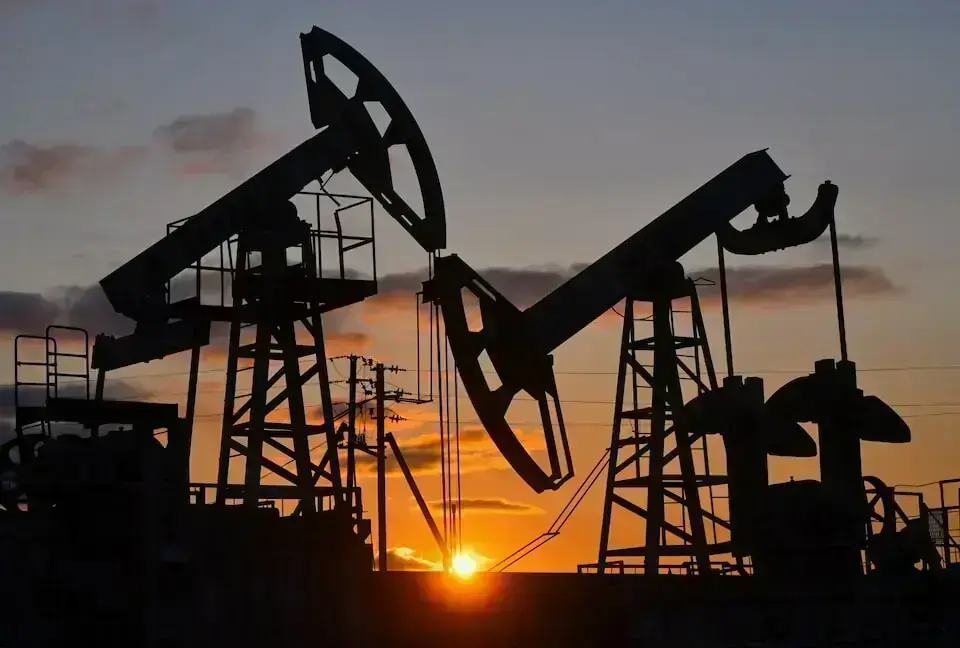
Oil prices climbed nearly 3 percent on Tuesday, reaching their highest levels in four weeks as renewed military escalation between the United States and Iran intensified concerns over crude supplies moving through the Strait of Hormuz, one of the world’s most important energy chokepoints. Brent crude futures rose 1.92 percent to $84.90 a barrel by 08:44 UAE time, while U.S. West Texas Intermediate crude gained 2.10 percent $79.78 a barrel. Both benchmarks had earlier advanced by more than $2 a barrel before trimming some gains. The latest rally followed Monday’s sharp surge, when Brent settled 9.6 percent higher, marking its biggest single-day increase since May 2020.
Investor sentiment remained focused on mounting geopolitical risks after the U.S. military conducted a third consecutive night of strikes against Iran. At the same time, U.S. President Donald Trump reinstated a blockade targeting Iranian shipping and proposed imposing a 20 percent fee to protect commercial vessels passing through the Strait of Hormuz. The developments have heightened uncertainty over the security of global oil flows through the strategic waterway, through which roughly one-fifth of the world’s petroleum consumption passes, making any disruption closely watched by energy markets.
Supply fears grow
The latest escalation also affected commercial shipping across the Gulf. The UAE Ministry of Defence said on Monday that two United Arab Emirates tankers were struck by two Iranian cruise missiles in the southern shipping lane of the Strait of Hormuz within Omani territorial waters. The attack killed one Indian crew member and injured eight others. Shipping data released on Monday further showed that the number of tankers transiting the Strait of Hormuz dropped over the previous day to its lowest level in two months, underscoring growing caution among vessel operators.
Elsewhere in the region, Yemen’s Houthi movement launched missiles toward Saudi Arabia after accusing the kingdom of carrying out airstrikes on an airport under Houthi control. The broader regional tensions have added to concerns that the conflict could disrupt oil exports from the Middle East, a region that accounts for a significant share of global crude production and exports. Traders are also monitoring potential impacts on freight costs, insurance premiums and shipping schedules, all of which could further tighten energy markets if hostilities continue to escalate.
Inventory outlook
In addition to geopolitical developments, investors are watching U.S. inventory data for further indications of supply conditions. A preliminary Reuters poll published on Monday showed analysts expect U.S. crude oil stockpiles to have declined last week, while gasoline and distillate inventories are likely to have increased. The official inventory figures, due later this week, are expected to provide further insight into demand trends in the world’s largest oil consumer. Recent movements in crude prices have reflected a combination of tightening supply expectations and heightened geopolitical uncertainty, with markets reacting swiftly to developments in the Middle East.
The Strait of Hormuz remains one of the world’s most strategically important maritime corridors, linking Gulf oil and liquefied natural gas producers with international markets. According to the U.S. Energy Information Administration, around 20 million barrels of crude oil and petroleum products pass through the strait each day, representing about one-fifth of global petroleum liquids consumption. Any disruption to traffic through the narrow waterway has historically triggered sharp movements in oil prices because of its critical role in supplying major importing economies across Asia, Europe and beyond.
Geopolitical tensions involving Iran and the Strait of Hormuz have repeatedly influenced energy markets in recent years. Previous incidents involving attacks on commercial vessels, the seizure of tankers and military confrontations have periodically pushed crude prices higher as traders assessed risks to global supply chains. Although most shipping has continued despite heightened tensions, market participants closely monitor military developments, vessel movements and government advisories for signs that energy exports from the Gulf could be affected. The latest escalation comes as global oil markets are also balancing expectations for demand growth, OPEC+ production policies and inventory trends across major consuming nations, factors that continue to shape price direction alongside geopolitical risks.
Articles similaires

Oil prices jump over 3 percent to $84.41 as supply...
05 mars, 2026 07:30
Oil prices fall 1 percent to $84.56 as U.S. grants...
06 mars, 2026 07:40
Oil prices drop to $86.98 on report of IEA plannin...
11 mars, 2026 07:16
Oil prices surge back above $100 as Mideast tensio...
12 mars, 2026 08:07
Oil gains 9 percent this week as prices remain abo...
13 mars, 2026 07:50
Oil prices surge to $104.87 as Trump seeks naval c...
16 mars, 2026 07:48
Oil prices recoup losses, surge to $102.85 as supp...
17 mars, 2026 08:01
Oil prices contract by 2.21 percent to $101.13 fol...
18 mars, 2026 11:34
Oil prices rise to $107.34 as investors balance ge...
23 mars, 2026 08:30