Energy Other

45 Days of Buffer Against a Longer Crisis


Mali’s Council of Ministers, which met on April 1 at the Koulouba Palace, approved the creation of a national strategic petroleum reserve. Framed as a structural response to a supply crisis that has gripped the country for months, the measure alone is unlikely to restore stability to Mali’s energy sector.
The plan aims to build a reserve covering 45 days of national consumption of gasoline, diesel, jet fuel and butane gas. It comes as Mali remains fully dependent on imported petroleum products. In 2024, the country imported more than 2.6 million cubic meters of petroleum products, along with nearly 16,000 metric tons of butane gas. Amid repeated supply disruptions, the state has so far covered shortfalls through costly subsidies.
The reserve is intended to reduce reliance on crisis management by providing a buffer against external shocks. In doing so, Bamako is following a model already adopted by several African countries. In late March 2026, Ghanaian President John Dramani Mahama said his country holds fuel stocks covering about six weeks of consumption, while Côte d’Ivoire has expanded its storage capacity over several years.
A partial response to a broader crisis
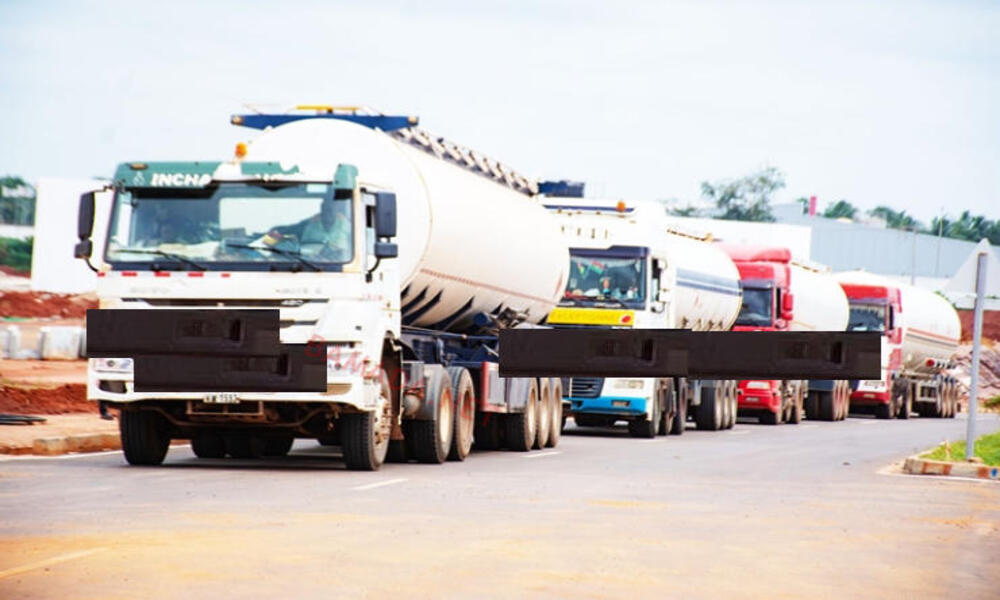
Since September 2025, the jihadist group JNIM (Groupe de soutien à l’islam et aux musulmans) has targeted fuel tanker convoys supplying the landlocked country from Abidjan and Dakar along key corridors. The disruption has affected Bamako’s economy and triggered power outages, as the state utility Energie du Mali relies on fuel for more than 70 percent of its electricity generation. Over time, a strategic reserve could help cushion the impact of such disruptions.
Several factors, however, limit its effectiveness. The first is short-term. Since the United States and Israel launched strikes on Iran in late February, global hydrocarbon supply has tightened and prices have risen. Brent crude climbed back above $105 per barrel in early April, increasing import costs for several African countries. Mali passed on the impact in late March, raising petroleum product prices by 13 to 30 percent.
While these pressures may ease, a second constraint is security. Mali’s fuel supply currently depends on a truce with JNIM, reportedly secured in exchange for the release of dozens of suspected jihadist prisoners. According to several international media reports, disputed by Malian authorities, the truce is set to expire around the Muslim holiday of Tabaski at the end of May 2026.
If attacks resume, a 45-day reserve would serve less as a buffer than as a countdown. The military strategy of securing tanker convoys is also costly. In the coming months, the impact of the reserve on fuel supply stability will be closely watched.
Beyond this measure, the broader issue of energy sovereignty remains unresolved. As long as supply corridors face persistent security threats in a country that neither produces nor refines oil, reserves will remain a temporary safeguard rather than a lasting solution.
Related Articles
Kuwaiti oilfield comes onstream officially after 1...
22 Sep, 2025 12:56
African Energy Week (AEW) 2025: Unlocking the Pote...
22 Sep, 2025 13:22
South Africa warns illegal car imports threaten ne...
23 Sep, 2025 06:31
South Africa Confronts EU Carbon Border Mechanism...
23 Sep, 2025 12:33
South Africa, China Deepen Investment Ties in Key ...
24 Sep, 2025 07:35
Raysut Cement’s Expansion into Libya and North Afr...
24 Sep, 2025 07:40
Nextchem opens regional office in Abu Dhabi...
24 Sep, 2025 08:10
Ghanaian students win top honours in IAEA’s Female...
24 Sep, 2025 09:32
Key Sectors Linking Mauritania and Gambia...
24 Sep, 2025 09:40