Transport maritime

Lagos Ports Dominate as Nigeria's Trade Concentration Deepens


By: OrePulse
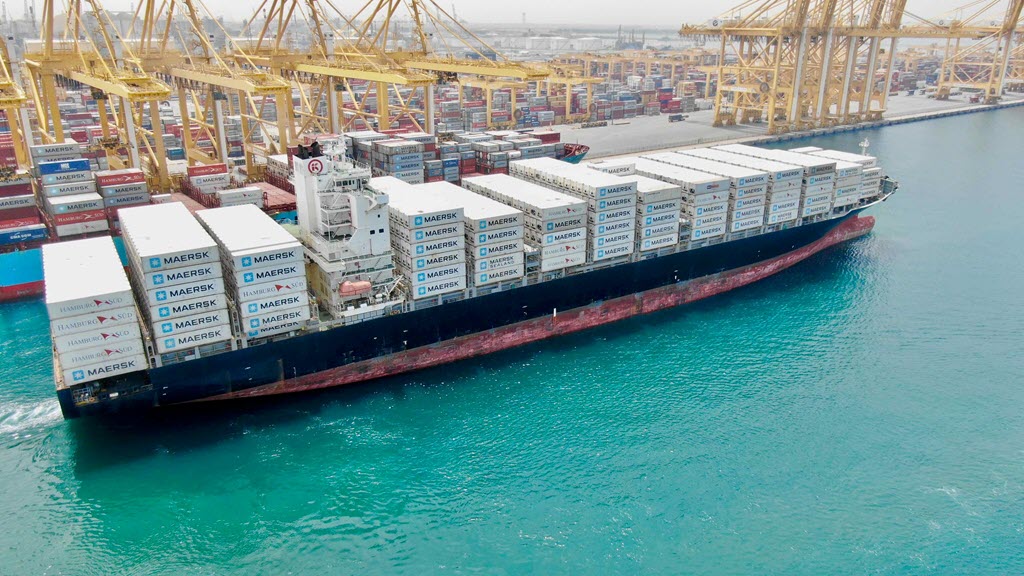
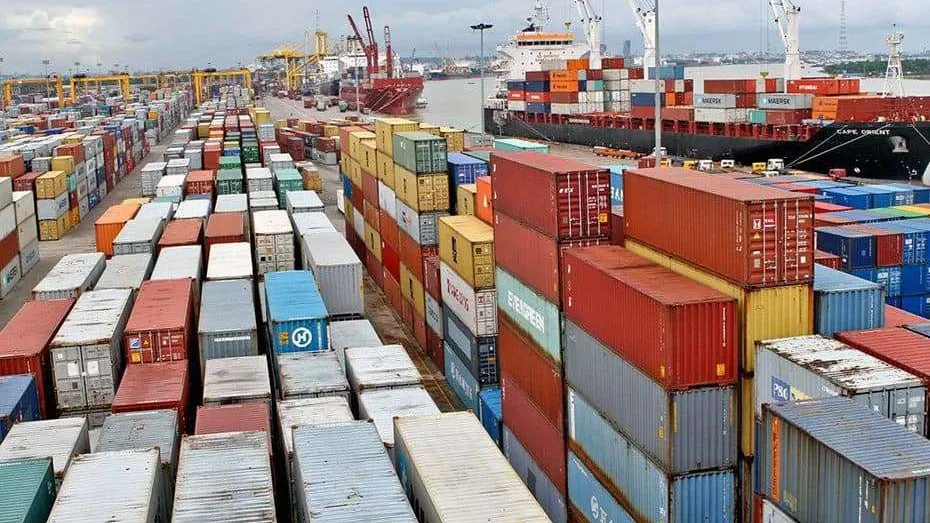
Nigeria's ports clustered around Lagos processed an estimated N35.07 trillion in merchandise trade during the second quarter of 2026—equivalent to 84.6% of the country's total trade volume for the period—highlighting how heavily the nation's seaborne commerce remains centered on a single urban region.
Nationwide, Nigeria's merchandise trade totaled N41.44 trillion for the quarter, split between N27.02 trillion in exports and N14.42 trillion in imports. Three facilities in the greater Lagos area — Apapa Port, Lekki Deep Sea Port, and Tin Can Island Port — collectively handled N34.90 trillion of that figure.
Apapa Port continued to serve as the country's primary trade gateway by a substantial margin, processing N25.53 trillion in combined trade, comprising N19.07 trillion in exports and N6.46 trillion in imports. That volume alone gave Apapa a 70.57% share of the nation's total export activity.
Lekki Deep Sea Port, the more recently developed deepwater facility situated east of Lagos, handled N6.64 trillion in overall trade — N5.03 trillion in exports and N1.61 trillion in imports — representing 18.62% of national export volume. Taken together, Apapa and Lekki accounted for 89.19% of exports among the country's top customs facilities during the quarter.
Tin Can Island Port processed N2.90 trillion in total trade, with N726.92 billion in exports and N2.17 trillion in imports, making it Nigeria's busiest import hub with a 15.07% share of the country's import volume.
Beyond the Lagos cluster, Port Harcourt Area-1 managed N1.4 trillion in total trade (N1.17 trillion in exports and N229.77 billion in imports). In contrast, the Onne oil-and-gas free trade zone handled roughly N2 trillion (N802.72 billion in exports and N1.20 trillion in imports). Together, these two facilities processed about N3.4 trillion—less than one-tenth of Apapa's trade volume alone, and only a small slice of the N41.44 trillion recorded nationally for the quarter.
These numbers highlight how concentrated Nigeria's formal seaborne trade remains in the Lagos region, despite ongoing federal efforts to build alternative trade gateways in other parts of the country. Lekki Deep Sea Port — notable as Nigeria's first deepwater facility equipped to accommodate ultra-large container vessels — has seen its trade volumes grow steadily, yet it still lags well behind Apapa. That gap likely reflects both the deeply established shipping relationships Apapa has built over time and a slower-than-expected shift by importers and exporters toward newer facilities.
This level of concentration introduces real structural vulnerability into Nigeria's trade infrastructure. If Apapa experiences significant disruption—whether from congestion, labor disputes, or infrastructure breakdowns—the effects could ripple disproportionately across the country's broader trade flows, given the port's outsized role in handling both exports and overall volume. The figures also raise legitimate questions about whether cargo owners based outside the greater Lagos area are being adequately served, in terms of logistics costs and transit efficiency, by facilities like Onne and Port Harcourt — both of which processed only a fraction of what Apapa handled on its own.
The specific breakdown of goods—what types of exports and imports moved through each terminal—wasn't available in the figures reviewed for this analysis.
Articles similaires

Transport & Logistics in Action – Connecting the M...
22 oct., 2025 08:40
Appeal made for cargo harmonization across the SSA...
22 oct., 2025 08:46
4 deals signed between Turkiye, Kuwait...
22 oct., 2025 13:31
Beit Logistics invests $10.50mln to develop Safaga...
23 oct., 2025 12:18
Khalifa Port rises to 39th position in Lloyd’s Lis...
23 oct., 2025 12:24
ASCELA awarded Africa Logistics Zone Development P...
23 oct., 2025 12:49
FG begins procurement for port modernization proje...
23 oct., 2025 12:56
NZF delay extends unlevel playing field for EU por...
27 oct., 2025 09:30
DP World Launches $85 Million Logistics Hub in Egy...
27 oct., 2025 10:48