Transport maritime

Hormuz, Bab el-Mandeb vessel traffic stays below 10-day average


By: OrePulse
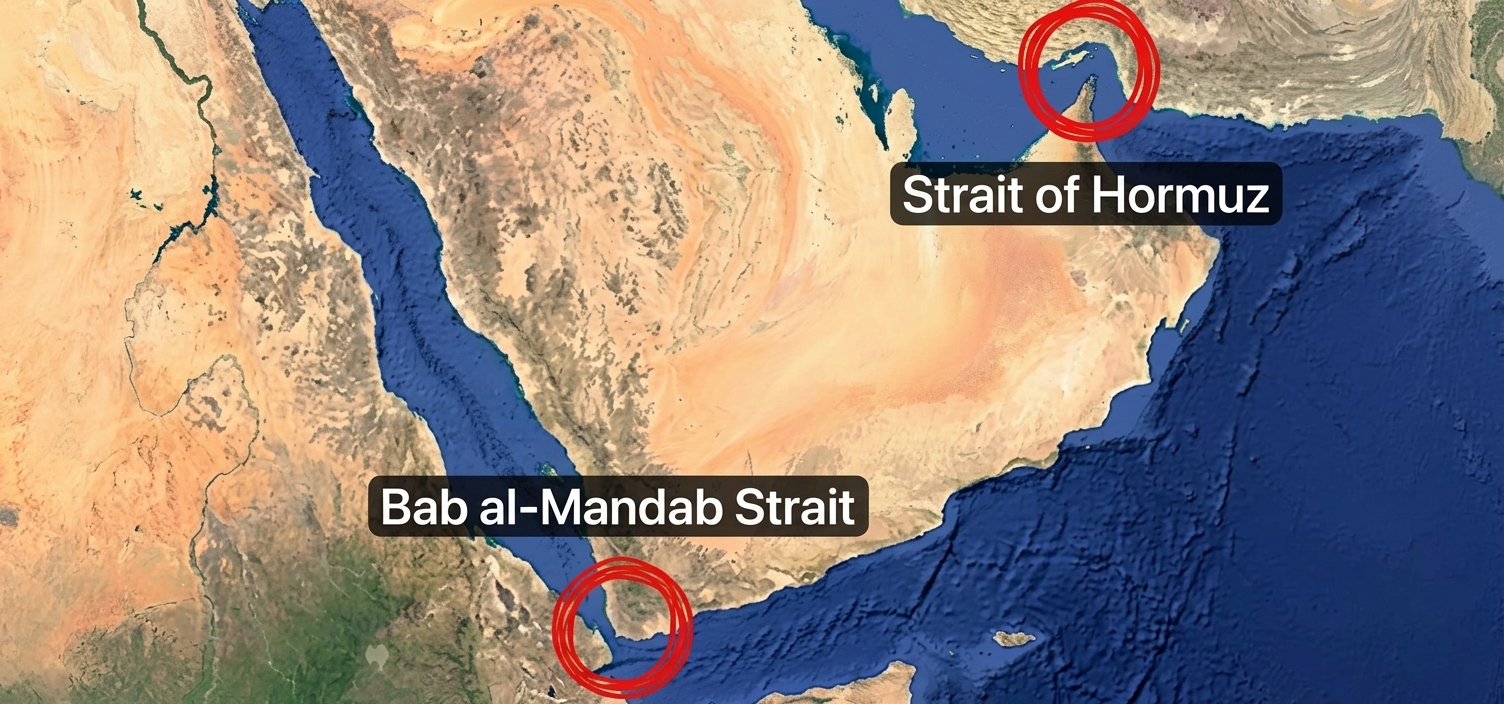
Shipping traffic through the Strait of Hormuz remained well below its recent average on Tuesday, with preliminary tracking data showing just three commodity vessels transiting the waterway.
That figure was down from four vessels the day before and well under the 10-day moving average of roughly 15 vessels a day, according to data from ship-tracker Kpler. Every vessel that crossed on Tuesday, including one Panamax-class tanker, was heading out of the strait, based on Kpler's tracking data as of 2 a.m, the tallies may still shift, since some ships switch off their transponders mid-voyage.
The tanker Al Mafyar, a liquefied natural gas carrier sailing in ballast, showed up again in Hormuz on Tuesday for the first time since it was tracked leaving the area on September 19, based on figures from both Kpler and the London Stock Exchange Group. That kind of individual vessel movement is the sort of detail traders and shipowners are watching closely for early signs that gas carriers are becoming more willing to resume passage through the strait.
The Strait of Hormuz, which separates Iran from Oman and the United Arab Emirates, normally handles roughly one-fifth of global oil and gas volumes. Transit volumes through the waterway have been suppressed for weeks amid the standoff between Iran and the United States and its allies.
Donald Trump, the U.S. president, said Tuesday that he was prepared to destroy Iran entirely if the two sides fail to reach a deal ending the war, while also signaling that an agreement might still be reached soon given ongoing diplomacy at the United Nations.
Traffic through Bab el-Mandeb, the strait separating Yemen from the Horn of Africa and another critical corridor for oil moving from the Red Sea into the Gulf of Aden, also stayed below normal. Twenty-two commodity vessels transited the strait on Tuesday, 14 of them headed toward the Red Sea and eight toward the Gulf of Aden, compared with a 10-day average of about 26 vessels.
The Bab el-Mandeb traffic included five Panamax tankers, six Supramax vessels, four Aframax tankers, one Suezmax tanker and one very large crude carrier, the tracking data showed.
Suppressed transit volumes through both chokepoints point to continued caution among shipowners and charterers navigating the region, even as diplomatic contacts continue and other elements of the Gulf supply chain, including Saudi Arabia's East-West oil pipeline, which was damaged in a drone attack earlier this month, show early signs of recovery.
Vessel-tracking figures for both waterways are treated as preliminary. They are routinely revised as more transponder data comes in, since some ships switch their transponders off for parts of a voyage through contested waters. Even with that caveat, Tuesday's counts falling so far below the trailing 10-day averages at both chokepoints at once underscores that broader caution around Gulf shipping routes has not yet meaningfully eased, despite other signs of de-escalation elsewhere in the region's oil infrastructure.
Both straits sit at the center of global energy security concerns because there are few, if any, practical alternative routes for the volumes of crude, refined products and liquefied natural gas that normally pass through them, meaning even modest, sustained drops in vessel counts can translate into meaningfully tighter near-term supply for buyers on both ends of the routes.
Articles similaires
Mawani, Sultan Logistics to build logistics zone i...
03 mars, 2026 08:39
AD Ports Group confirms business continuity across...
04 mars, 2026 12:04
AD Ports says rerouted maritime traffic may lift v...
04 mars, 2026 12:07
Aqaba port maintains operations as cargo vessels d...
04 mars, 2026 12:43
All Jebel Ali terminals are operating normally...
06 mars, 2026 09:06
Kuehne+Nagel holds top sea freight rank in 2025...
06 mars, 2026 10:48
War-risk cover for Gulf shipping may take months t...
06 mars, 2026 10:58
CMA CGM posts $54.4bn revenue despite volatile shi...
09 mars, 2026 08:58
DP World handles multi-country shipments for T20 W...
10 mars, 2026 09:32