Transport maritime

Hapag-Lloyd Locks In Strategic Capacity Across Five African Gateways


By: OrePulse
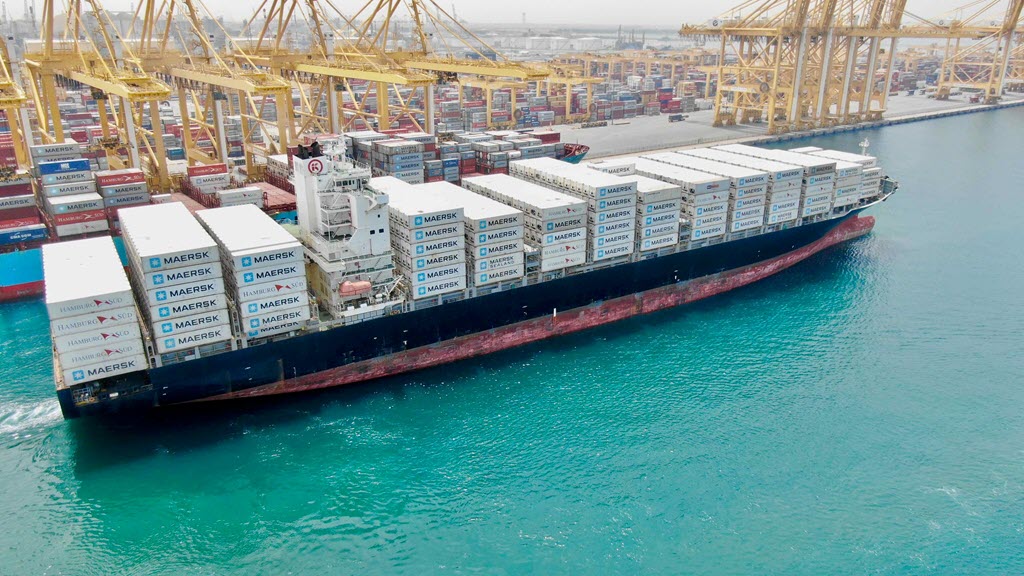
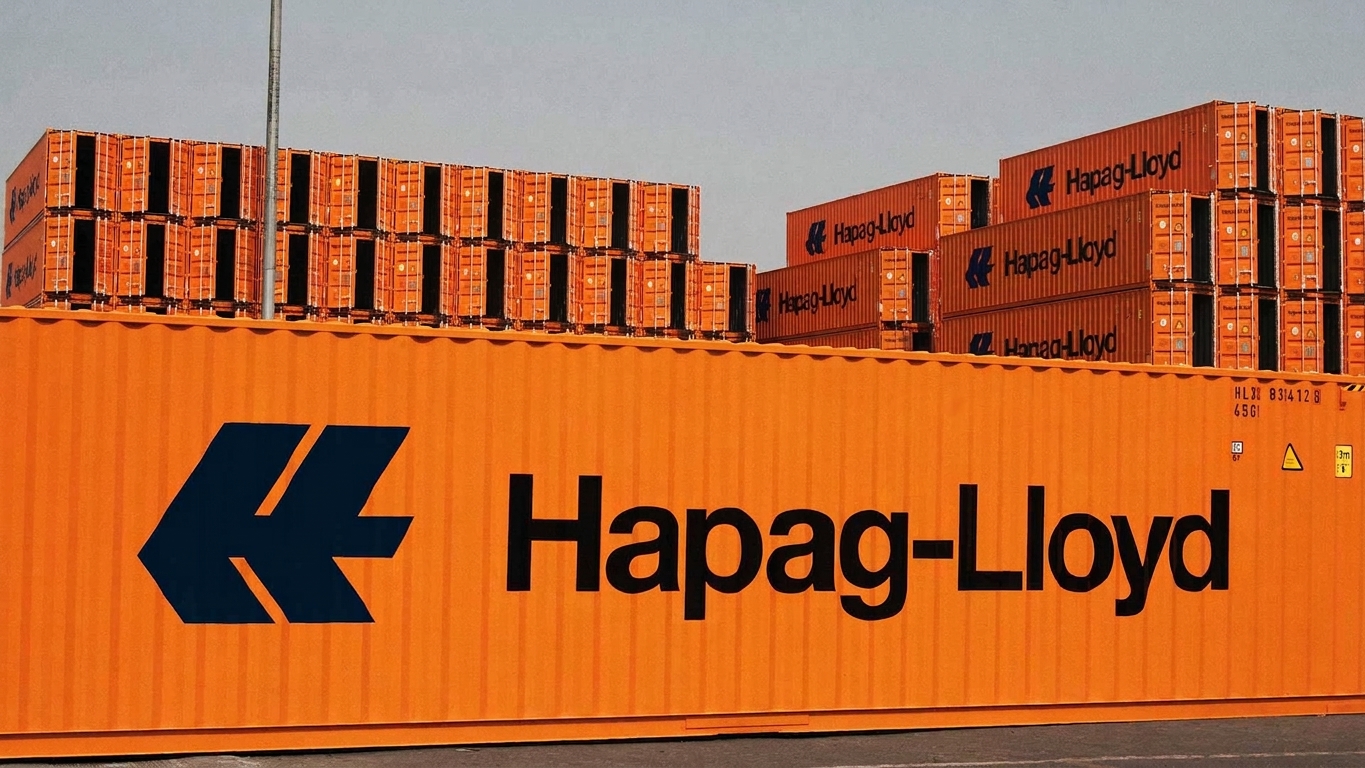
Germany's Hapag-Lloyd has widened its partnership with terminal operator DP World, securing long-term berth capacity at three African ports — Dakar in Senegal, Luanda in Angola, and Dar es Salaam in Tanzania. The two firms will also jointly back infrastructure work at Banana in the Democratic Republic of Congo and at Maputo in Mozambique.
The carrier expects its African cargo volumes to exceed 1 million TEU this year. Hapag-Lloyd currently holds stakes in 26 marine terminals across 13 countries, and it aims to grow that footprint to more than 30 by the end of the decade.
CEO Rolf Habben Jansen pointed to Africa as one of the company's strongest growth areas.
Part of a Wider Shift
The arrangement reflects a pattern taking hold across the shipping industry, where major carriers are increasingly buying into terminal ownership to gain tighter control over port operations and keep vessel schedules on track. Hapag-Lloyd's alliance with Maersk, known as the Gemini Cooperation, has reportedly hit around 90% on-time reliability — a figure linked to the kind of coordinated terminal access this DP World deal extends.
DP World already runs a substantial footprint on the continent, including a 30-year concession at Dar es Salaam and an ongoing project at Maputo designed to push capacity up to 530,000 TEU. Competition in the space is heating, too: rival carrier MSC has poured over $1 billion into Nigerian port infrastructure, anchored by a 45-year concession at Lagos's Snake Island facility.
What It Means for African Trade
For shippers moving goods through the region, the agreement guarantees space with one of the world's biggest container lines across ports spanning both coasts — a potential source of stability in a market that's seen its share of turbulence lately. Beyond the three ports with confirmed capacity, DP World's involvement in building out Banana and Maputo hints that this partnership is meant to grow alongside future demand, not just lock in what already exists.
Hapag-Lloyd's push toward 30-plus terminal interests by 2030 suggests Africa will remain central to its broader global expansion, particularly given how bullish the company is on volume growth there this year. Meanwhile, the parallel investments from DP World and MSC in Tanzanian and Nigerian capacity signal that competition for African port infrastructure is only intensifying as trade on the continent expands.
Geographic Reach
The five ports covered by the deal stretch across a broad swath of African coastline — from Senegal and Angola in the west to Tanzania and Mozambique in the east, with Congo's Banana port adding another Atlantic-facing access point. That spread means Hapag-Lloyd's exposure isn't concentrated in one corridor but spans several major African trade routes.
Much of the infrastructure behind this expanded access is still under construction — Dar es Salaam's concession runs for three decades, and Maputo's expansion is working toward nearly doubling its capacity — meaning shippers likely won't feel the full effect of the agreement right away, but rather as the underlying facilities come online over time.
The agreement's financial terms, along with the exact length of the new capacity commitments at Dakar, Luanda, and Dar es Salaam, have not been disclosed.
Articles similaires
Transport & Logistics in Action – Connecting the M...
22 oct., 2025 08:40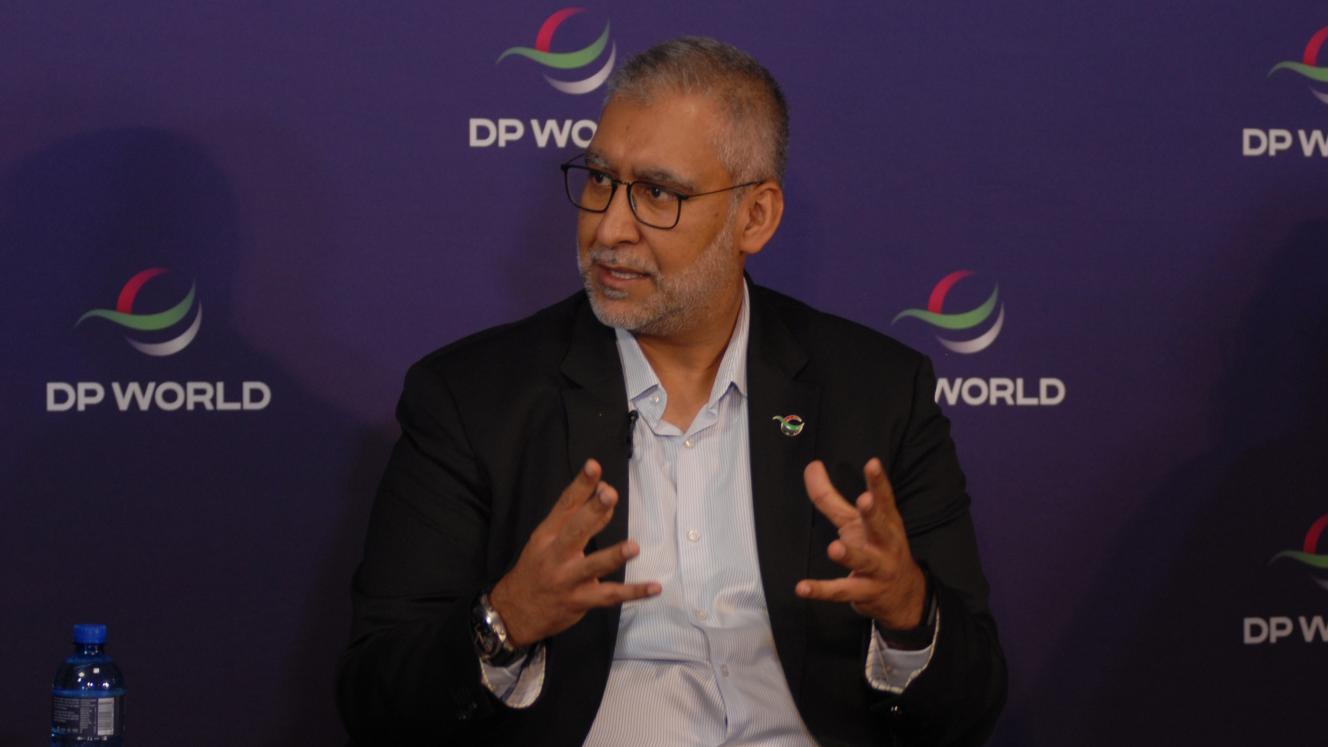
Appeal made for cargo harmonization across the SSA...
22 oct., 2025 08:46
4 deals signed between Turkiye, Kuwait...
22 oct., 2025 13:31
Beit Logistics invests $10.50mln to develop Safaga...
23 oct., 2025 12:18
Khalifa Port rises to 39th position in Lloyd’s Lis...
23 oct., 2025 12:24
ASCELA awarded Africa Logistics Zone Development P...
23 oct., 2025 12:49
FG begins procurement for port modernization proje...
23 oct., 2025 12:56
NZF delay extends unlevel playing field for EU por...
27 oct., 2025 09:30
DP World Launches $85 Million Logistics Hub in Egy...
27 oct., 2025 10:48