
Energy Other

Gulf refinery disruption sends diesel margins to record highs


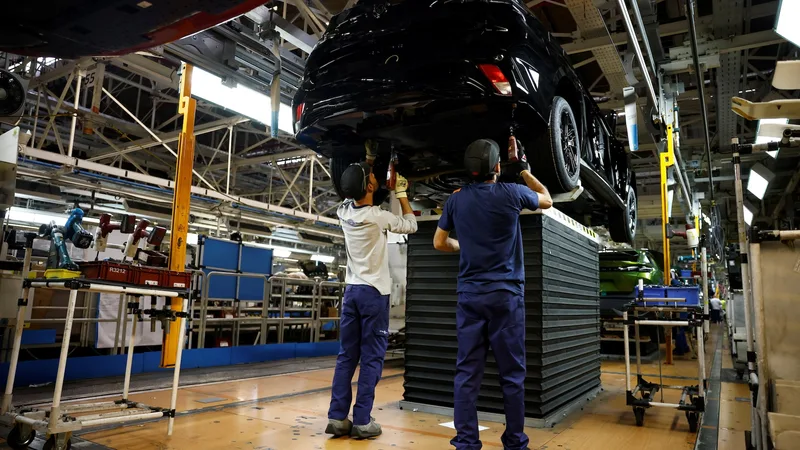
Gulf refineries are struggling to despatch fuel and other oil products to global markets, creating shortages that have sent diesel margins to record highs and more than doubled prices for some specialist car oils.
Crude prices of around $93 a barrel are masking more severe strain further down the supply chain, as disruption to refineries and export routes through the Strait of Hormuz and the Red Sea limits the volumes that can reach customers.
The amount processed by refineries worldwide rose by 1.8 million barrels per day in July to 80.9 million bpd, but remained almost 5 million bpd below a year earlier, according to the International Energy Agency.
Diesel has been hit particularly hard. Around 700,000 bpd of supply has been lost since March because of the disruption of traffic through Hormuz, according to Josh Michalowski, head of European diesel pricing at Argus Media. Another 700,000 bpd has been cut from Russian production since June following Ukrainian attacks on refineries.
The combined 1.4 million bpd loss represents 15 to 20 percent of the roughly 8.5 million bpd of diesel traded internationally.
The UAE Fuel Price Committee, which reviews retail prices at the end of each month, added AED0.20 (5 US cents) per litre to the price of diesel in August, taking it to AED3.80.
The loss of diesel supply has created a stark divergence between the price of crude and the fuels it can be turned into.
The US diesel crack spread — the difference between the value of diesel and its underlying crude — hit a record $102.20 a barrel on August 17.
Northwest European diesel prices reached a record premium of almost $95 over crude the following day, Michalowski said.
That compares with Brent crude, the global benchmark, which is trading at around $93 a barrel – well below its wartime peak of $126 and far below the $200 some analysts feared it would reach.
The wider Middle Eastern refining disruption is substantial. More than 20 percent of the region’s 9.6 million bpd of capacity has been knocked out during the conflict, according to IEA data.
Kpler, a data provider, separately estimates Middle East refinery downtime at around 2.2 million bpd in August, compared with roughly 400,000 bpd a year earlier.
The IEA has estimated that nearly 3 million bpd of Middle Eastern refining capacity has been shut because of Iranian attacks on oil and gas infrastructure and a lack of viable export outlets, particularly for Gulf producers dependent on the Strait of Hormuz.
But Saudi Arabia’s alternative Red Sea export route has also come under pressure following attacks by Tehran-backed Houthis.
No diesel has loaded from Saudi Aramco’s 400,000 bpd Jizan refinery since July 24, following Houthi attacks, according to Argus. The refinery had supplied 6 to 8 percent of EU and UK diesel imports since April.
The problems go beyond fuels. Highly refined base oils – used to manufacture premium lubricants – have also come under pressure.
The shortage has already forced some of the world’s largest carmakers, including Volkswagen, Stellantis and Toyota, to secure alternative or reformulated lubricants, the Financial Times reported. Some Suzuki customers in Japan have faced delays to routine oil changes.
Related Articles
Kuwaiti oilfield comes onstream officially after 1...
22 Sep, 2025 12:56
African Energy Week (AEW) 2025: Unlocking the Pote...
22 Sep, 2025 13:22
South Africa warns illegal car imports threaten ne...
23 Sep, 2025 06:31
South Africa Confronts EU Carbon Border Mechanism...
23 Sep, 2025 12:33
South Africa, China Deepen Investment Ties in Key ...
24 Sep, 2025 07:35
Raysut Cement’s Expansion into Libya and North Afr...
24 Sep, 2025 07:40
Nextchem opens regional office in Abu Dhabi...
24 Sep, 2025 08:10
Ghanaian students win top honours in IAEA’s Female...
24 Sep, 2025 09:32
Key Sectors Linking Mauritania and Gambia...
24 Sep, 2025 09:40