Logistic Other

UAE’s transport, supply chain system continues to operate efficiently, steadily


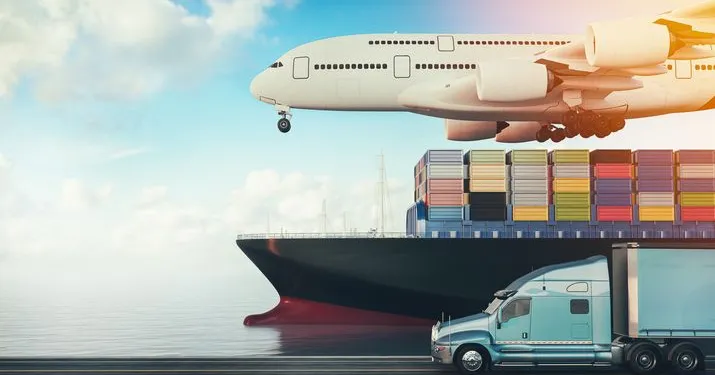
Suhail Mohamed Al Mazrouei, Minister of Energy and Infrastructure and Chairman of the Supply and Transport Committee, affirmed that the UAE’s transport and supply chain system continues to operate efficiently and steadily, supported by an integrated national approach based on proactiveness, integration, and future readiness.
Al Mazrouei said, “The continuity of the transport and supply chain system reflects a high level of resilience in addressing regional challenges and enhances the efficient flow of goods. This has been achieved through flexible infrastructure that supports the sustainability of supply chains, in addition to the diversity and integration of transport channels across maritime, land, and rail sectors.”
He explained that since the beginning of recent developments, container handling has exceeded 262,000 containers, alongside the operation of approximately 4,800 trucks daily to strengthen connectivity between ports. Around 1,200 vessels have also been monitored within UAE waters in terms of supply and services.
Al Mazrouei further noted that strengthening connectivity between Gulf coast ports and the eastern coast is being achieved through an integrated trucking network, supported by a package of facilitations that include lifting movement restrictions and fee exemptions. This is complemented by effective regional and international cooperation that has ensured an uninterrupted flow of goods.
Regarding governance, the Minister explained that the system is managed through the Supply and Transport Committee under a comprehensive national framework. This framework relies on enhanced collaboration with the private sector and coordination among more than 20 federal, local, and operational entities, guided by clear governance mechanisms that prioritize efficiency and sustainability. It also ensures direct operational connectivity between ports, land border crossings, and the railway network.
He emphasised that the national team overseeing the supply and transport sector plays a pivotal role during the current phase through specialised operational teams in flow management, data, and logistics. The team runs a national operations room around the clock, monitors shipment movements in real time, prioritises vessel entry and departure in coordination with the Ministry of Economy, and addresses operational challenges immediately. It also redistributes routes based on operational pressure levels, with continuous coordination with relevant entities and operators.
On infrastructure investments, Al Mazrouei highlighted their significant contribution to enhancing supply chain readiness. Capacity at eastern coast ports has increased twentyfold, daily truck movement has risen thirtyfold compared to previous levels, cooling points have expanded from 490 to over 2,400 electrical outlets, and the number of cranes has exceeded 30. Additionally, more than 7 million square meters of storage space have been provided, along with dedicated areas at Fujairah Port to handle over 2.8 million metric tons of bulk cargo arriving from GCC countries.
On community cohesion, he affirmed that what the UAE is witnessing reflects a strong societal awareness and high confidence in the efficiency of the national system. It also demonstrates a solid partnership between the community and government entities based on readiness and transparency. He noted that the integration between government and the private sector reinforces an advanced model that enhances service sustainability and strengthens social cohesion.
The Minister added, “The exceptional solidarity and responsible national spirit demonstrated by the UAE community are a source of pride and appreciation and confirm that the strength of the nation stems from the awareness and unity of its people.”
For his part, Mohammed Al Mansoori, Undersecretary for Infrastructure and Transport Affairs at the Ministry of Energy and Infrastructure, confirmed that the flexible facilitations provided to transport companies have directly supported the logistics sector and enhanced its efficiency during the current phase, ensuring the smooth and continuous flow of goods.
He said, “These facilitations included activating alternative routes, lifting restrictions on truck movement between ports, and coordinating with local authorities to remove truck transit bans on roads, which contributed to accelerating transport operations and reducing travel time.”
Al Mansoori added that gate fees have been waived on routes connecting the eastern coast with other ports, customs corridors have been activated to expedite clearance procedures and reduce transit times, and vehicle entry procedures have been simplified across GCC countries, including allowing the entry of empty vehicles.
Regarding port performance, he noted that operations since early March have been a strong indicator of the efficiency and readiness of UAE ports. He emphasised that the UAE’s port system is characterised by integrated capabilities that enhance its ability to respond to various developments.
He added, “These capabilities include advanced and scalable operational capacity, which has enabled ports to absorb increases efficiently, as well as operational integration with the railway network and land border crossings to ensure smooth cargo movement. This is supported by high operational readiness, proactive plans, alternative routes, and operational flexibility to handle sudden surges efficiently.”
Al Mansoori stressed that these efforts reflect the integration of roles among relevant entities and contribute to strengthening the UAE’s competitiveness as a global logistics hub.
Meanwhile, Sheikh Khalid bin Abdullah bin Sultan Al Qasimi, Chairman of the Sharjah Ports, Customs and Free Zones Authority, affirmed that the smooth flow of logistics operations reflects an advanced level of national integration among federal, local, and operational entities. This integration has enhanced port efficiency, ensured sustainability of performance, and maintained the continuous flow of goods and services according to the highest standards of readiness.
He explained that eastern coast ports represent a strategic pillar within the national system, serving as a foundation for diversifying supply chain routes and reinforcing the UAE’s position as a regional logistics hub and a key player in global trade.
In turn, Captain Mohamed Juma Al Shamisi, Managing Director and Group CEO of Abu Dhabi Ports Group, stated that national carriers play a pivotal role in ensuring the continuity of supply chains by strengthening maritime transport capabilities and providing integrated logistics solutions that keep pace with global developments. He highlighted that the high readiness of the national fleet, combined with operational flexibility, has ensured stable and efficient goods flow during emergencies, enhancing supply security and reinforcing the UAE’s position as a trusted global hub for maritime trade.
Abdulla bin Damithan, Chairman of the Ports, Customs and Free Zone Corporation in Dubai, affirmed that the UAE’s advanced operational indicators reflect its ability to keep pace with rapid changes in global trade with high efficiency and readiness.
He noted that the resilience of supply chains, increased container handling rates, and enhanced connectivity between ports demonstrate the integration of the national logistics system.
Finally, Shadi Malak, CEO of Etihad Rail, emphasised that the UAE’s national railway network is a key element in strengthening the integration of the country’s transport system. It has successfully connected ports with land border crossings and logistics zones, boosting trade movement both domestically and regionally. Since the launch of freight rail operations in February 2023, the network has delivered significant economic benefits and supported growth. Its role continues to expand in the current phase through enhanced operational capacity, keeping pace with rising cargo demand and further reinforcing the UAE’s position as a global logistics hub.
Related Articles
Air freight rates soar as Middle East conflict blo...
13 Mar, 2026 08:35
War fallout hits global air cargo flows in week 10...
17 Mar, 2026 07:56
African LNG exporters pitch Europe gas supply in P...
17 Mar, 2026 08:48
Oman Air Cargo adds fuel and war risk surcharges s...
17 Mar, 2026 08:58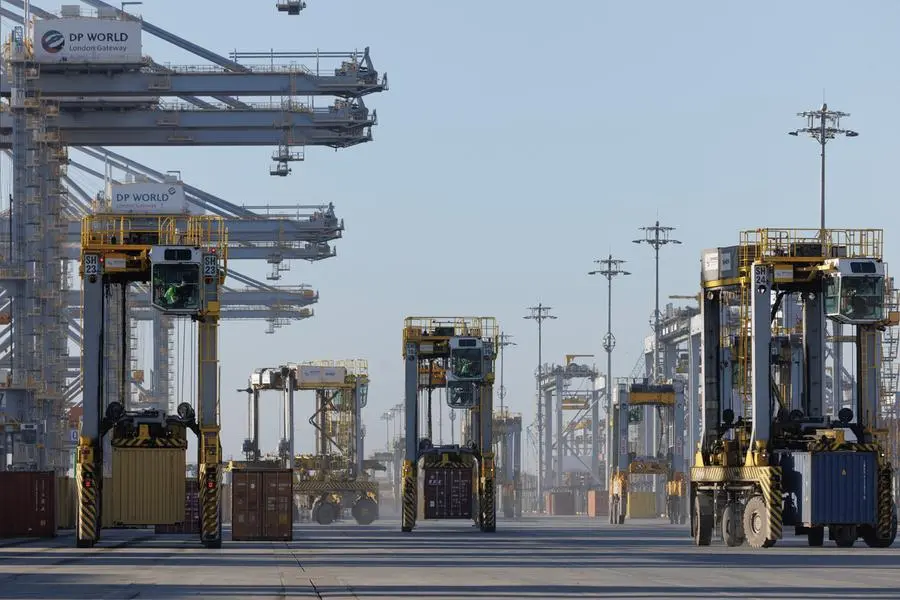
Aramex opens first regional healthcare hub at Duba...
17 Mar, 2026 09:16
New Container User Forum launched to improve effic...
17 Mar, 2026 09:24
AirCairo appoints Aeroprime as cargo GSSA for Indi...
19 Mar, 2026 11:00
Ministry proposes transport measures amid Middle E...
19 Mar, 2026 11:16
Renewables and Grid Upgrades Drive Djibouti’s Ener...
19 Mar, 2026 12:39