
Precious Metals

Tanzania holds firm on raw mineral export ban as gold reserves hit 39.6 tonnes


By: OrePulse
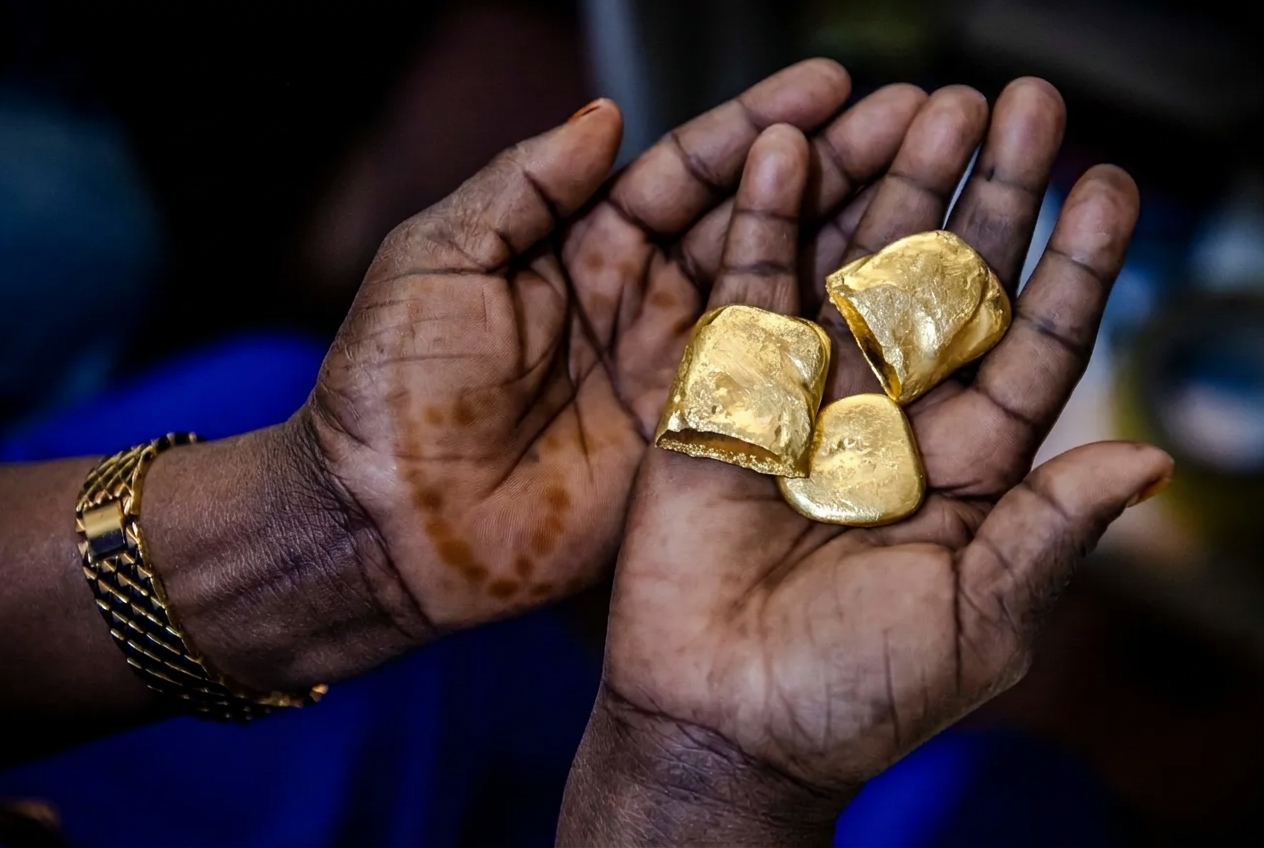
Tanzania's government has reaffirmed its ban on exporting unprocessed minerals and warned licence holders against sitting on undeveloped projects, as officials reported that the central bank's gold reserves have reached 39.6 tonnes.
Vice President Deogratius Ndejembi, speaking on behalf of President Samia Suluhu Hassan at the opening of the seventh Tanzania Mining and Investment Conference in Dar es Salaam, said the government would continue enforcing the export ban and would act against investors holding licences without developing them. The three-day conference, organized by the Ministry of Minerals and the Tanzania Chamber of Mines under the theme of value-added minerals, drew more than 1,700 registered participants, the largest turnout in its seven-year history, according to Minerals Minister Anthony Mavunde.
Mavunde cited the Mining Act, which requires local processing, and said no unprocessed mineral would be allowed to leave the country. A provision of the law bars mineral exports without value addition, and Tanzania has banned concentrate exports since March 2017.
On processing capacity, Mavunde said Tanzania now has eight gold refineries producing gold of 999.9 purity, with the Geita refinery close to accreditation by the London Bullion Market Association. He said 16 additional plants for nickel, copper and other minerals are under construction, while Ndejembi described some of this processing infrastructure as already established. Officials also pointed to a mineral-sands plant in Pangani, a planned ferroniobium smelter in Songwe, gemstone-training facilities in Arusha and a salt-refining plant in Kilwa.
To encourage local processing, the government cut the royalty on locally refined gold from 6% to 4% and waived inspection fees and value-added tax for miners selling through domestic mineral markets, Mavunde said. He put current gold output at about 67 tonnes a year and said mining revenue rose from 753.17 billion shillings in the 2023/24 financial year to 1.39 trillion shillings in 2025/26. Revenue paid into the government's main account, he said, has grown from 161 billion shillings a decade ago to 555 billion shillings in the first four months of this financial year, against a target of 483 billion shillings for that period and 1.4 trillion shillings for the full year. Mining exports reached $5.4 billion in 2025, and the sector contributes 10.3% of gross domestic product, with a government target of 12.5% by 2030.
On the central bank's gold reserves, Mavunde said the Bank of Tanzania, which began buying gold in October 2024, now holds 39.6 tonnes, crediting a rule requiring licence holders to set aside at least 20% of their output for local refining and trade. Ndejembi said about 28 tonnes of gold, worth 9.76 trillion shillings, have been purchased through domestic refineries since that program began, as of July.
The president has directed that 10% of mineral revenue be allocated to geological survey work, a request Ndejembi said he had approved, asking the ministry to manage a Mineral Survey Fund for reliable data. Geological mapping now covers 97% of the country, officials said, though modern high-resolution airborne surveys cover only 16%, against a government target of at least 50% by 2030.
Ndejembi said graphite, niobium, helium and nickel projects have yet to begin production, and that a uranium licence holder in Namtumbo, in Ruvuma region, has taken no steps to develop its mine; he said the government would act on stalled licences, with talks under way toward a signing. Mavunde said first gold output from a new mine in Sengerema is expected by the end of January 2027, which officials described as the country's first new gold mine in 17 years.
Ndejembi said small-scale miners supply more than 40% of mining revenue and that over 350 small mines are now connected to the national grid, and he urged banks to treat small-scale operators as a commercial opportunity. Industry figures also addressed the conference: Barrick's country manager, Melkiory Ngido, said the company has contributed more than 16 trillion shillings to the economy since 2019, with 94% of its procurement spent with Tanzanian firms, while Geita Gold Mining's Simon Shayo said the mine employs more than 7,000 people. The Chamber of Mines urged the government to act on a 2024 tax reform commission's recommendations, saying predictable legal and tax systems are needed to attract investors.
Related Articles

African Rainbow Minerals half-year profit up 10% o...
06 Mar, 2026 10:41
Trafigura, Venezuelan mining firm sign deal for up...
18 Mar, 2026 07:05
South Africa's gold producers stay in the shallows...
24 Mar, 2026 12:01
South Africa's gold mines find new life with price...
01 Apr, 2026 14:02
Ghana awards Gold Fields’ Damang mine lease to loc...
08 Apr, 2026 06:44
Malawi sells gold and asked Afreximbank for $120 m...
22 Apr, 2026 10:43
Turkey central bank data shows 31 tonnes of gold r...
24 Apr, 2026 12:52
South Africa's Gold Fields Faces Contractor Claim,...
11 May, 2026 06:51
Caledonia benefits from high gold price, despite l...
12 May, 2026 08:25