Distribution

Saudi Arabia repairs oil infrastructure for vital export route


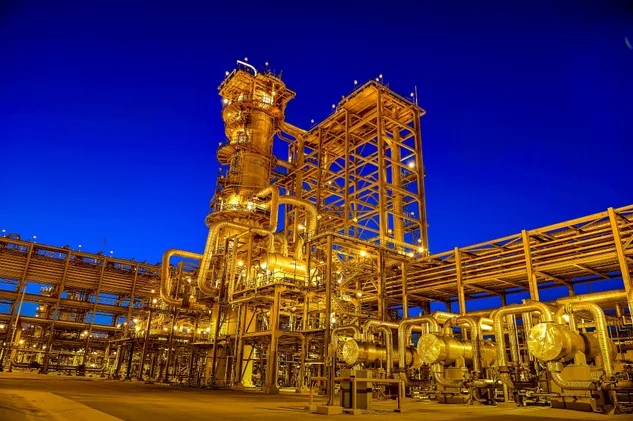
Saudi Arabia said it has restored oil flows to vital onshore infrastructure after last week’s drone strikes, repairing a critical pipeline and returning capacity to pre-attack levels.
The Energy Ministry said the East-West pipeline is operating at “full capacity” again after damage had cut 700,000 barrels per day of flow. It also said output at the Manifa offshore field – which had lost 300,000 bpd – had been restored, while repairs at the Khurais field, east of Riyadh, are ongoing.
The attacks last week, which took place shortly after a truce agreement was announced between the US and Iran, highlighted Saudi Arabia’s reliance on the pipeline to transport oil to Yanbu on the Red Sea following the effective closure of the Strait of Hormuz.
“The East-West pipeline is kind of the single most important global infrastructure asset at the moment,” said Sasha Foss, energy analyst at UK-based investment company CSC Commodities.
Before the Iran war, one-fifth of global oil and liquefied natural gas transited the Strait of Hormuz and the East-West pipeline has become a lifeline for the Gulf, transporting 7 million bpd across the country, 5 million of which is intended for export through Red Sea ports.
The drone attack caused a temporary drop in capacity equivalent to 14 percent of the country’s current export volumes.
Foss said the pipeline is pivotal in preventing the energy shock from tipping the global economy into a depression, rather than a more limited recession.
According to US bank JP Morgan, more than 60 energy assets across the Arabian Gulf states and Iran have been affected by the conflict, as reported by the Financial Times.
The benchmark price of Brent crude rose by 9 percent on Monday morning following reports during the weekend that the US and Iran had failed to secure a peace deal and a US announcement that it will enforce a blockade on Iranian ports.
Related Articles
US average diesel prices cross $5 a gallon as Midd...
17 Mar, 2026 08:34
Six African countries with cheapest petrol prices ...
17 Mar, 2026 08:56
Ghana Commissions LPG Tanker to Support Expansion ...
17 Mar, 2026 09:30
Ethiopia Intensifies Sustainable Energy Drive to M...
19 Mar, 2026 10:18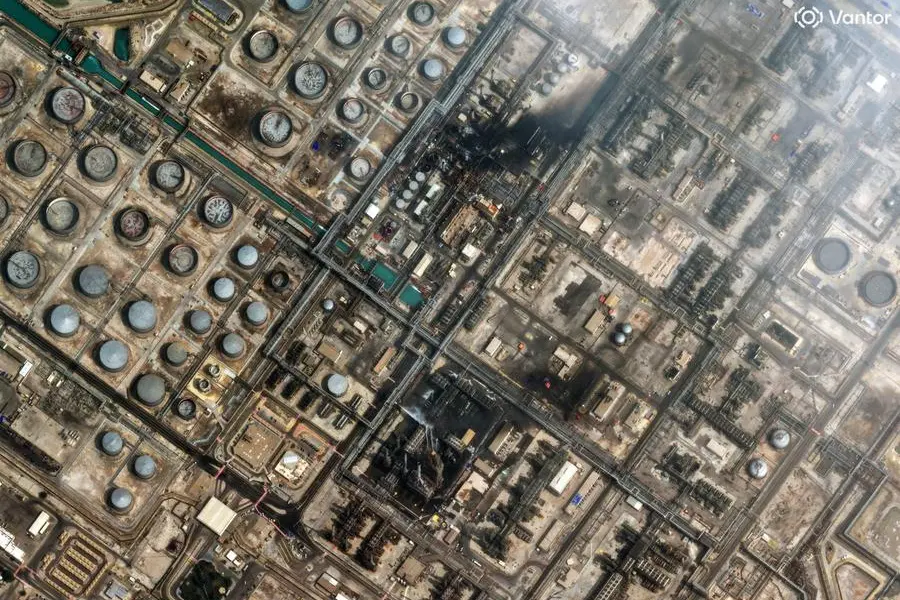
Saudi Aramco restarted Ras Tanura oil refinery on ...
19 Mar, 2026 10:25
Saudi Aramco-Exxon refinery SAMREF in Saudi Arabia...
19 Mar, 2026 11:09
Aramco lowers crude shipments to Asia for second s...
23 Mar, 2026 11:51
UAE's ADNOC Gas adjusts LNG output in response to ...
23 Mar, 2026 12:19
Uganda Cargo via Mombasa Climbs 25% to 10.91 Milli...
24 Mar, 2026 10:38