Logistic Other

Qatar ports see strong June surge as 121 vessels, 78K TEUs drive growth; Hamad Port climbs into global top 8 globally


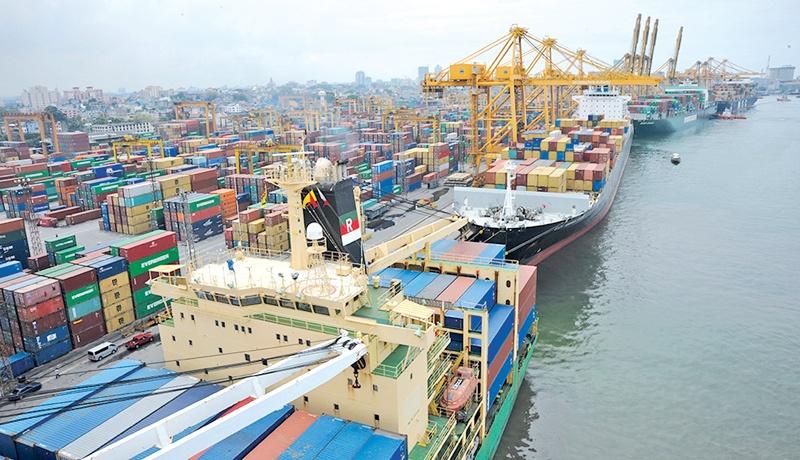
Hamad Port, Ruwais Port, and Doha Port recorded an increase in the handling of container volumes, general cargo, bulk cargo, and vessel arrivals in June compared to the previous month, reflecting continued momentum in Qatar’s maritime logistics sector. According to Mwani Qatar, which announced the figures on its official X platform, the country’s ports welcomed 121 vessels in June 2026, marking a 21 percent increase compared with May. This rise in vessel traffic highlights strengthening regional and international shipping activity through Qatar’s maritime gateways, supported by expanding trade flows and improved operational efficiency. The growth in maritime activity also aligns with Qatar’s broader strategy to enhance its logistics infrastructure and strengthen its position as a regional trade hub.
Over the same period, the ports handled more than 78,000 twenty-foot equivalent units (TEUs), representing a 13 percent increase, alongside nearly 23,000 tonnes of general cargo and over 67,000 tonnes of bulk cargo, which rose by 40 percent month-on-month. In addition, the ports processed 7,264 heads of livestock, reflecting the diversity of cargo categories managed through Qatar’s maritime network. These figures demonstrate sustained expansion in both containerised and non-containerised trade flows, supported by integrated port operations and improved connectivity across shipping routes.
Strong port throughput
Mwani Qatar stated that the three ports collectively handled 78,002 TEUs, 23,092 tonnes of general cargo, 67,371 tonnes of bulk cargo, and 7,264 heads of livestock during the month. Positioned strategically and supported by a rapidly expanding shipping network, the ports enable seamless and secure cargo flow as well as transshipment operations. This operational framework enhances customer experience, unlocks greater growth potential, and strengthens Qatar’s role as a key commercial and logistics hub in the region. Advanced technology and modern operational capabilities further support marine safety and streamline port processes, allowing Mwani Qatar to deliver a comprehensive range of services designed to ensure the safe and efficient movement of vessels across the national maritime network. Over recent years, Qatar’s port infrastructure has undergone significant upgrades, aligning with long-term trade diversification strategies and increased demand for efficient supply chain connectivity across the Gulf region.
Supply chain development
Mwani Qatar has strengthened its position as a key pillar of economic diversification and a vital link in global supply chains, supported by sustained investments in operational efficiency, digital innovation, and sustainable growth in line with the goals of Qatar National Vision 2030. The organisation has focused on enhancing port performance, improving service reliability, and expanding capacity to accommodate growing trade volumes. By achieving record handling rates and increasing Hamad Port’s share of regional trade, Mwani continues to support the Ministry of Transport’s strategic objective of transforming Qatar into a leading commercial and logistics hub in the region. The ports’ performance also reinforces the country’s broader efforts to reduce reliance on hydrocarbons by expanding the non-oil sector and strengthening its role in international trade flows. These developments highlight the growing importance of maritime infrastructure as a driver of economic resilience and long-term diversification.
Hamad Port climbs rankings
Hamad Port, Qatar’s main gateway to global trade, climbed three positions to rank eighth globally and second in the Gulf region in the 2025 Container Port Performance Index (CPPI), developed by the World Bank and S&P Global Market Intelligence. This improvement reflects the port’s strong operational efficiency and its ability to maintain high performance levels despite disruptions and volatility in global supply chains.
The ranking marks another milestone in the port’s development as a major regional logistics hub, reinforcing its strategic importance in international trade networks. The CPPI is widely recognised as one of the most comprehensive global benchmarks for container port performance, evaluating ports primarily on vessel turnaround times and the efficiency of loading and unloading operations. It is considered a key indicator of operational reliability, service quality, and overall port competitiveness. Hamad Port’s improved ranking underscores its ability to sustain high operational standards in a challenging global environment, while also highlighting its growing role as a critical node in global shipping and logistics networks.
Related Articles
Air freight rates soar as Middle East conflict blo...
13 Mar, 2026 08:35
War fallout hits global air cargo flows in week 10...
17 Mar, 2026 07:56
African LNG exporters pitch Europe gas supply in P...
17 Mar, 2026 08:48
Oman Air Cargo adds fuel and war risk surcharges s...
17 Mar, 2026 08:58
Aramex opens first regional healthcare hub at Duba...
17 Mar, 2026 09:16
New Container User Forum launched to improve effic...
17 Mar, 2026 09:24
AirCairo appoints Aeroprime as cargo GSSA for Indi...
19 Mar, 2026 11:00
Ministry proposes transport measures amid Middle E...
19 Mar, 2026 11:16
Renewables and Grid Upgrades Drive Djibouti’s Ener...
19 Mar, 2026 12:39