Energy Markets

Oil prices fall below $80 as U.S.-Iran talks conclude, Hormuz concerns persist


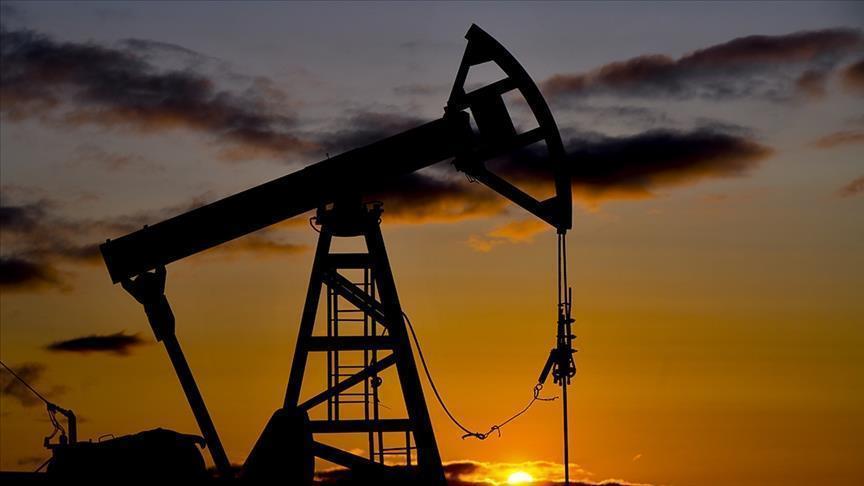
Oil prices declined on Monday after U.S.-Iran negotiations in Switzerland ended with Tehran announcing it had obtained exemptions allowing continued oil and petrochemical exports, easing concerns over potential disruptions to global supply.
As of 4:05 GMT, Brent crude dropped $1.21, or 1.5 percent, to $79.36 a barrel. Meanwhile, U.S. West Texas Intermediate (WTI) crude futures edged down 22 cents to $75.63 a barrel ahead of the contract’s expiration later on Monday. The more actively traded August contract fell 55 cents to $75.3 a barrel.
Fragile U.S.-Iran talks to continue
Earlier in the session, oil prices had surged over $82 amid a rocky start to the talks, as U.S. President Donald Trump threatened to resume military action against Iran and Tehran said it had once again shut the Strait of Hormuz.
Senior U.S. and Iranian officials concluded their first round of negotiations in Switzerland on Monday. The talks, which began on Sunday, were held under a memorandum of understanding agreed last week to extend a fragile ceasefire that has been in place since April for at least another 60 days.
Iranian Foreign Minister Abbas Araqchi said Tehran had secured exemptions allowing continued oil and petrochemical exports, as well as the release of part of its frozen assets and the initiation of a reconstruction and development program for the country.
Technical-level discussions are scheduled to continue this week in Switzerland, Qatar’s foreign ministry said. The negotiators also agreed on a framework aimed at ending hostilities in Lebanon and established a communications mechanism to ensure the safe passage of commercial vessels through the strategically vital waterway.
Investors are now closely monitoring whether negotiators can sustain the peace process and preserve the fragile momentum achieved in recent days.
Strait of Hormuz risks persist
Ahead of the negotiations, shipping traffic through the Strait of Hormuz dropped sharply on Sunday after Iran announced it had once again closed the key waterway, accusing Israel and the United States of breaching the interim peace agreement.
Despite the geopolitical tensions, oil prices tumbled more than 8 percent last week amid expectations that additional supplies would reach the market as cargoes stranded in the Gulf are released and as a potential U.S.-Iran agreement raises the prospect of easing sanctions on Iranian crude exports.
More than 25 million barrels of Iranian oil have crossed the virtual blockade line since Monday, Hamid Bovard, head of the National Iranian Oil Company, said on Sunday.
Meanwhile, the United Arab Emirates, Kuwait and Iraq have increased crude offerings to customers over the past week. Iraq also plans to gradually raise oil output to between 4.2 million and 4.3 million barrels per day, according to a statement issued on Sunday by the country’s deputy oil minister for upstream affairs.
Related Articles
Oil prices surge to $104.87 as Trump seeks naval c...
16 Mar, 2026 07:48
Oil prices recoup losses, surge to $102.85 as supp...
17 Mar, 2026 08:01
Oil prices contract by 2.21 percent to $101.13 fol...
18 Mar, 2026 11:34
Oil prices rise to $107.34 as investors balance ge...
23 Mar, 2026 08:30
Oil prices rise 4 percent to $99.92 on renewed sup...
24 Mar, 2026 08:50
Oil prices plunge over 4 percent to $95.77 on easi...
25 Mar, 2026 08:12
Oil prices surge 2.37 percent to $107.82 as Strait...
30 Mar, 2026 10:51
Oil prices drop 0.03 percent to $107.36 as markets...
31 Mar, 2026 07:30
Oil prices surge 1.34 percent to $105.36 as market...
01 Apr, 2026 07:07