Sea

Maersk adds Europe-South Africa surcharge of up to $300 from Oct 15


By: OrePulse
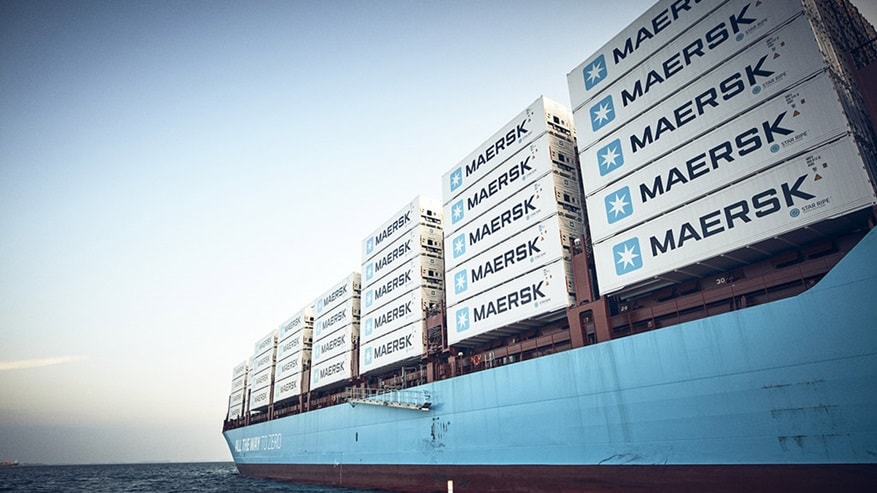
Maersk will apply a peak-season surcharge to container shipments from Europe to South Africa starting October 15, citing strong demand and limited vessel capacity on the trade lane, the carrier said.
The surcharge adds $225 to every 20-foot container and $300 to every 40-foot or 45-foot container moving from northern European ports — including the Netherlands, Germany, the United Kingdom, Belgium and the Nordic countries — and from ports in the Mediterranean region. Durban is covered by the surcharge, which the carrier said will remain in place until further notice. Mozambique is excluded, and Maersk said the charge will not apply to cargo booked through its SPOT digital pricing platform.
The increase comes alongside a separate move on a different route: Maersk is also raising its surcharge on shipments from the Far East to South Africa, to $250 per 20-foot container and $500 per 40-foot dry container, effective the same date.
Rival carrier CMA CGM has announced its own peak-season surcharge of $550 per TEU on cargo moving from the Far East to Durban, effective October 8, underscoring how widely the added costs are being applied across routes into the country.
Maersk has itself reported extended waiting times at Durban's Pier 2 terminal — as long as 16 days in recent weeks, compared with seven to eight days at the port's Pier 1 terminal — and container lines have pointed to continued congestion at South African terminals as a factor squeezing available vessel capacity on some routes into the country.
For shippers, the moves show that freight costs on routes into South Africa increasingly depend on the specific trade lane, the type of equipment used and how a shipment is booked. Maersk's SPOT service, which prices bookings digitally, is exempt from the new Europe–South Africa surcharge and offers shippers an alternative to the standard tariff.
The surcharges add to a difficult cost environment for South African importers and exporters, who have already had to contend with persistent vessel delays and congestion at the country's main container terminals in recent months, on top of the added charges now being layered onto two of the country's busiest trade lanes.
Related Articles
Mawani, Sultan Logistics to build logistics zone i...
03 Mar, 2026 08:39
AD Ports Group confirms business continuity across...
04 Mar, 2026 12:04
AD Ports says rerouted maritime traffic may lift v...
04 Mar, 2026 12:07
Aqaba port maintains operations as cargo vessels d...
04 Mar, 2026 12:43
All Jebel Ali terminals are operating normally...
06 Mar, 2026 09:06
Kuehne+Nagel holds top sea freight rank in 2025...
06 Mar, 2026 10:48
War-risk cover for Gulf shipping may take months t...
06 Mar, 2026 10:58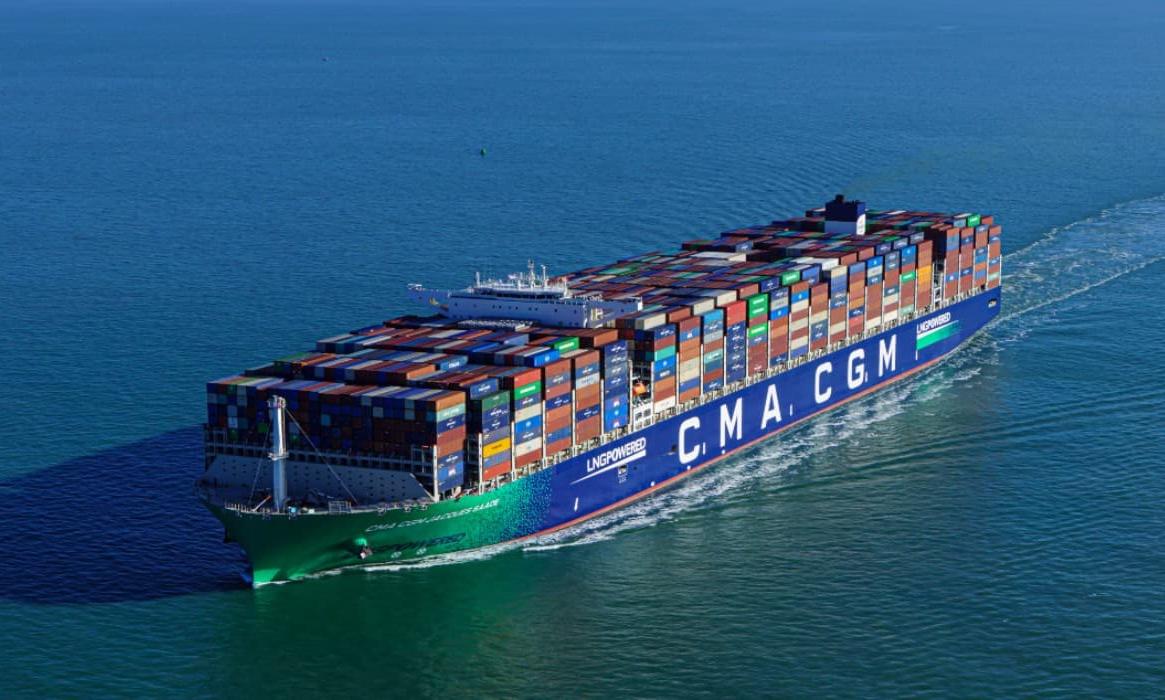
CMA CGM posts $54.4bn revenue despite volatile shi...
09 Mar, 2026 08:58
DP World handles multi-country shipments for T20 W...
10 Mar, 2026 09:32