Metal Markets

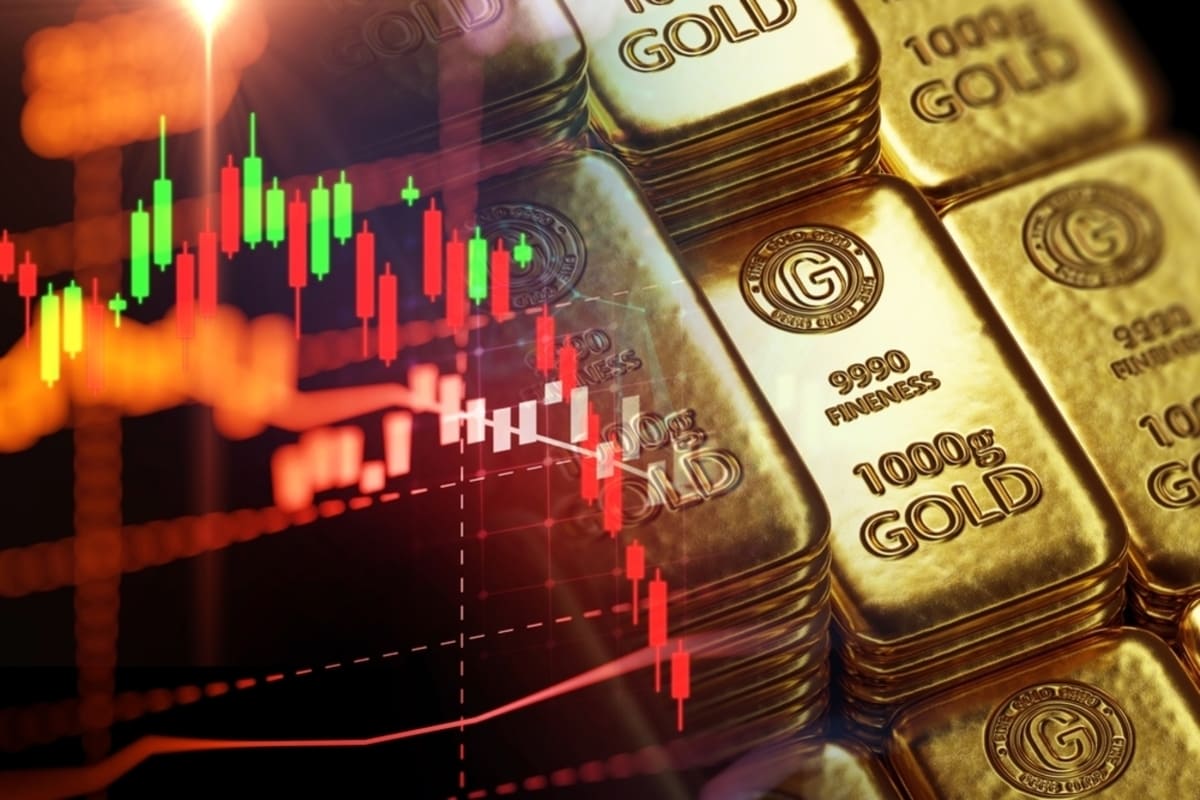
Gold prices rebound from six-month low to $4,079.88 as investors eye key U.S. inflation report


Gold prices rebounded from a six-month low on Thursday as markets balanced rising geopolitical tensions in the Middle East against growing expectations that the U.S. Federal Reserve may raise interest rates later this year.
Spot gold advanced to $4,107.57 an ounce before falling 0.75 percent to $4,079.88 by 4:35 GMT, recovering from an intraday low of $4,023.96, its weakest level since late November. Meanwhile, U.S. gold futures edged 0.87 percent lower to $4,097.37 an ounce, pressured by expectations that U.S. interest rates could remain higher for longer.
In the UAE, gold rates recorded marginal declines, with 24-carat gold and 22-carat gold losing AED0.25 to AED492.25 and AED455.75, respectively.
Moreover, 21-carat gold edged AED0.25 lower to AED437, while 18-carat gold held steady at AED374.75
In addition, 14-carat gold remained unchanged at AED292.25
Gold prices fall as U.S.-Iran tensions escalate
Gold prices plunged more than 4 percent in the previous session as investors reassessed the outlook for U.S. interest rates amid a sharp rise in inflationary pressures linked to the escalating conflict in the Middle East.
The United States launched fresh strikes on Iran overnight, intensifying a conflict that has rattled global financial markets and sent oil prices soaring. In response, Iran announced a suspension of all vessel traffic through the Strait of Hormuz, a critical artery for global energy trade, heightening fears of prolonged disruptions to oil supplies.
While geopolitical turmoil typically boosts demand for safe-haven assets such as gold, investors have increasingly shifted their focus to the inflationary impact of higher energy prices and the possibility of tighter U.S. monetary policy, curbing the metal’s appeal.
Supporting that view, data released on Wednesday showed U.S. consumer prices climbed 4.2 percent year-on-year in May, marking the fastest pace of inflation in three years, with rising energy costs accounting for much of the increase.
Inflation data raises rate hike expectations
The inflation report strengthened expectations that the Federal Reserve will keep interest rates higher for longer and could even resume monetary tightening later this year if price pressures remain elevated, further impacting gold prices.
Interest rate futures now point to increasing odds of at least one Fed rate hike before the end of the year, marking a sharp shift from market expectations earlier in 2026.
Higher interest rates tend to weigh on non-yielding assets such as gold by increasing the opportunity cost of holding bullion. They also support the U.S. dollar, making gold more expensive for buyers using other currencies.
Investors are now looking ahead to U.S. producer price data due later on Thursday for further insight into the inflation outlook and the Federal Reserve’s policy trajectory.
Other precious metals
As gold prices declined, the precious metals market witnessed mixed movement. Spot silver fell 0.86 percent to $64.05, while platinum gained 0.50 percent to $1,674.83 and palladium gained 2.59 percent to $1,249.75.
Related Articles

Gold prices edge higher to $5,030 as investors wei...
17 Mar, 2026 07:58
Gold prices rise to $5,010 as traders await Fed ra...
18 Mar, 2026 11:47
Spot gold drops over 3 percent to $4,353, its lowe...
23 Mar, 2026 08:35
Silver prices rebound to $69.73 as global markets ...
24 Mar, 2026 08:20
Gold prices extend decline as spot gold drops 0.95...
24 Mar, 2026 08:44
Gold prices surge over 3 percent to $4,558 as weak...
25 Mar, 2026 08:08
Gold prices ease to $4,520.53, silver falls as inv...
26 Mar, 2026 08:33
Gold prices fall to $4,670.2, silver slips as Fed ...
02 Apr, 2026 08:17
UAE gold prices rise to AED563.5 as global markets...
03 Apr, 2026 08:24