Metal Markets

Gold prices fall to $4,193.49, head for weekly loss of more than 3 percent on rate hike fears


Gold prices declined on Friday and were set for a second consecutive weekly drop as lingering inflation worries and rising expectations of a U.S. Federal Reserve rate hike weighed on sentiment, while traders also assessed fresh optimism surrounding a potential U.S.-Iran peace deal.
As of 4:40 GMT, spot gold fell 0.41 percent to $4,193.49 per ounce, leaving the metal down 3.13 percent for the week. Meanwhile, U.S. gold futures for December delivery rose 2.47 percent to $4,215.55, supported by renewed hopes of easing tensions in the Middle East.
In the UAE, gold rates declined, with 24-carat gold losing AED1.5 to AED505 and 22-carat gold easing AED1.25 to AED467.75.
In addition, 21-carat gold edged AED1.25 lower to AED448.5, while 18-carat gold lost AED1.25 to AED384.25.
Meanwhile, 14-carat gold declined AED1 to AED299.75.
Gold prices recover from six-month low on Trump remarks
Gold prices fell to their lowest level in six months on Thursday before rebounding to close 3.5 percent higher after U.S. President Donald Trump said Washington and Tehran could reach a peace agreement as early as this weekend, raising the possibility of the Strait of Hormuz reopening and reducing concerns over global energy supply disruptions.
Still, uncertainty persisted after Iranian officials said a final deal had not yet been secured.
The prospect of a diplomatic breakthrough boosted risk appetite across financial markets. Oil prices tumbled following Trump’s remarks, while global stock markets advanced.
Gold prices have fallen around 20 percent since the outbreak of the Iran war, as surging energy costs fueled inflation concerns and reinforced expectations that central banks will keep interest rates elevated for longer.
Markets price 60 percent probability of a rate hike by December
Traditionally regarded as a safe-haven asset during periods of inflation and geopolitical tension, gold has come under pressure in recent weeks as investors increasingly price in the likelihood of tighter U.S. monetary policy.
Higher interest rates increase the opportunity cost of holding non-yielding assets such as gold, making the precious metal less attractive compared with interest-bearing investments.
Meanwhile, fresh U.S. economic data released on Thursday underscored persistent inflationary pressures. Producer prices rose more than anticipated in May, recording their strongest annual increase in three-and-a-half years as higher energy costs continued to ripple through the economy.
The stronger-than-expected inflation data led traders to raise expectations that the Federal Reserve may resume tightening monetary policy later this year, with markets now pricing in around a 60 percent probability of a rate hike by December.
Other precious metals
As gold prices declined, spot silver fell 0.4 percent to $67.10 per ounce, while platinum rose 0.7 percent to $1,731.40. Despite Friday’s gain, both metals remained on track to post weekly losses. Palladium advanced 1.6 percent to $1,289.33 and was up about 5 percent for the week.
Related Articles

Gold prices edge higher to $5,030 as investors wei...
17 Mar, 2026 07:58
Gold prices rise to $5,010 as traders await Fed ra...
18 Mar, 2026 11:47
Spot gold drops over 3 percent to $4,353, its lowe...
23 Mar, 2026 08:35
Silver prices rebound to $69.73 as global markets ...
24 Mar, 2026 08:20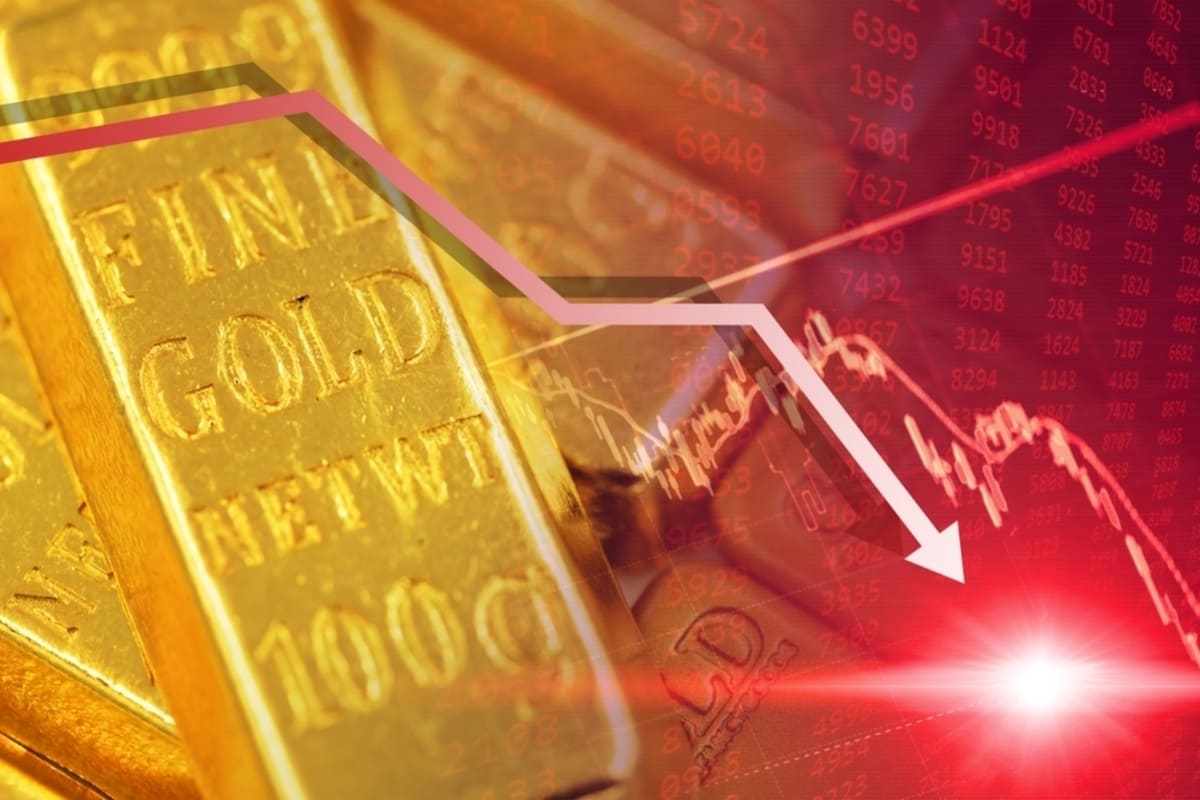
Gold prices extend decline as spot gold drops 0.95...
24 Mar, 2026 08:44
Gold prices surge over 3 percent to $4,558 as weak...
25 Mar, 2026 08:08
Gold prices ease to $4,520.53, silver falls as inv...
26 Mar, 2026 08:33
Gold prices fall to $4,670.2, silver slips as Fed ...
02 Apr, 2026 08:17
UAE gold prices rise to AED563.5 as global markets...
03 Apr, 2026 08:24