
Logistic Other

DRC's Bemba Calls for Customs Reform, Integrated Corridors at Kinshasa Forum


By: OrePulse
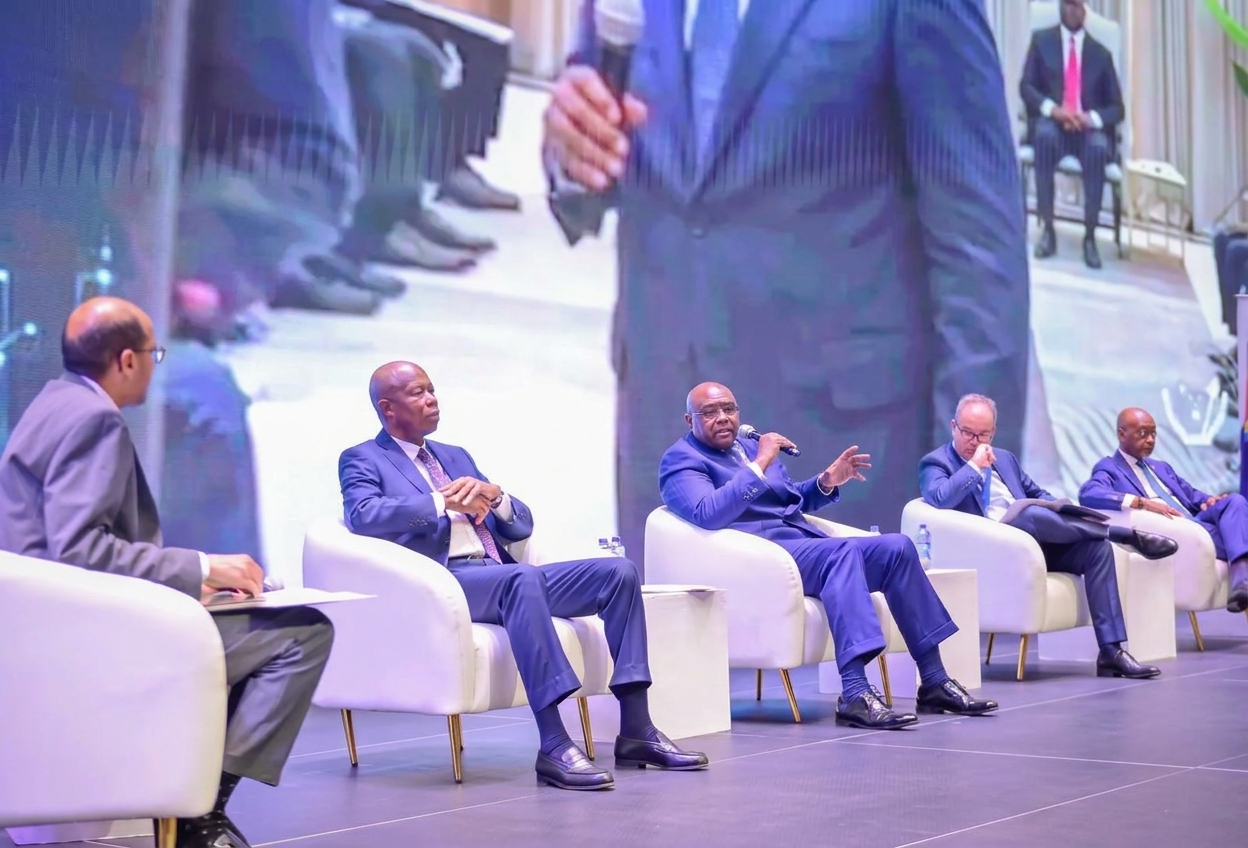
Kinshasa — The Democratic Republic of Congo's deputy prime minister and transport minister, Jean-Pierre Bemba Gombo, called for a broader, more coordinated approach to the country's transport corridors as he opened the third Regional Infrastructure Forum on October 26 in Kinshasa.
Speaking at the opening of the three-day event, Bemba said transport corridors should extend beyond roads and rail lines to include energy infrastructure, storage facilities, logistics hubs and digital services. He called for simplifying and digitizing customs procedures and for closer coordination among the region's governments to speed the movement of goods across borders.
Bemba said the changes were needed to lower logistics costs and ensure that businesses and communities along the corridors benefit more directly from regional trade. He described transport corridors as tools for opening up regions, improving competitiveness and advancing integration across Central Africa.
The forum, known as RIF 2026, is organized by the Kinshasa-based Think Tank RDC Stratégie under the patronage of the presidency and with support from the Ministry of Transport. Its program is built around three themes over three days: deciding, building and financing. Delegations from Angola, the Republic of Congo and Tanzania are taking part, alongside Congolese officials and private-sector representatives.
Think Tank RDC Stratégie president Bodom Matungulu told the opening session that transport corridors should function as genuine development axes rather than simple transit routes. He said corridors should allow copper and other resources to move efficiently while keeping more of the value added inside the country, pointing to the Atlantic and Lobito corridors, links to East and Southern Africa, and the Congo River network as examples of the routes under discussion.
The forum's first day focused on the launch of the event and broader geostrategic questions, including a ministerial panel. The third and final day, October 28, is dedicated to project financing and concludes with the RIF Awards 2026, which recognize work in the sector.
Organizers said the previous edition of the forum, held in 2024, drew more than 250 participants and produced about fifty recommendations covering transport, logistics and energy. This year, government officials and organizers said they want future corridor projects to combine transport infrastructure with energy supply, logistics hubs, storage capacity and digital services, along with workforce training, local content requirements and support for entrepreneurship along the routes.
Related Articles
Air freight rates soar as Middle East conflict blo...
13 Mar, 2026 08:35
War fallout hits global air cargo flows in week 10...
17 Mar, 2026 07:56
African LNG exporters pitch Europe gas supply in P...
17 Mar, 2026 08:48
Oman Air Cargo adds fuel and war risk surcharges s...
17 Mar, 2026 08:58
Aramex opens first regional healthcare hub at Duba...
17 Mar, 2026 09:16
New Container User Forum launched to improve effic...
17 Mar, 2026 09:24
AirCairo appoints Aeroprime as cargo GSSA for Indi...
19 Mar, 2026 11:00
Ministry proposes transport measures amid Middle E...
19 Mar, 2026 11:16
Renewables and Grid Upgrades Drive Djibouti’s Ener...
19 Mar, 2026 12:39