
Base Metals

DRC meeting calls for dedicated artisanal mining sites after Menda seizure


By: OrePulse
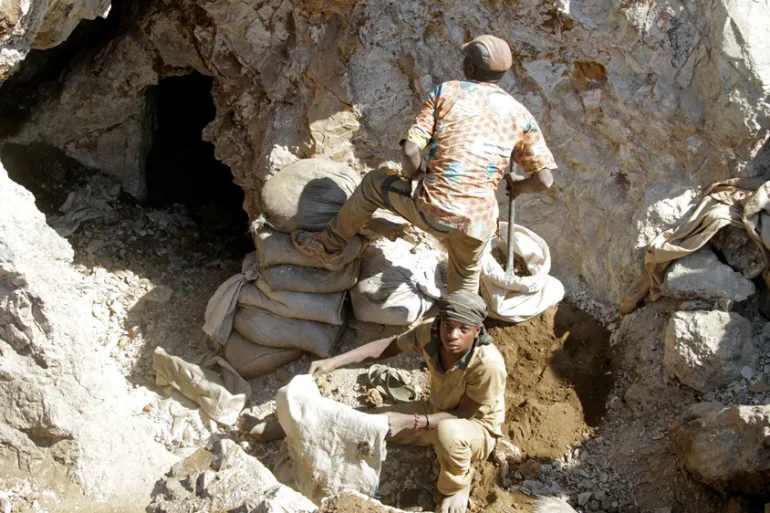
Participants at a meeting held in Lubumbashi, in the Democratic Republic of the Congo's Haut-Katanga province, recommended that authorities create sites dedicated to artisanal mining as a way to close gaps in governance and oversight that have allowed illegal mining to continue, according to a statement from the International Republican Institute (IRI).
According to the IRI statement, participants also called for the effective enforcement of existing laws governing the mining sector, for measures to combat corruption and conflicts of interest, and for the formalization of sites that currently operate outside the law. They additionally urged the state to honor its own commitments to stakeholders across the mining sector.
On controlling the flow of minerals, participants recommended tighter monitoring of mineral imports and exports and the digitization of road checkpoints so that the movement of goods can be tracked. They also called for a certification system covering mining sites, together with qualification missions to determine which sites are authorized to produce and sell minerals.
Participants proposed a revision of Article 165 of the Constitution, which they said would make it easier to enforce and apply laws governing the sector. Broader discussions at the meeting covered oversight of mining concessions, control over the transport of minerals, identification of buyers, and traceability of output through to export.
The meeting singled out the case of a quarry known as Menda, located within Boss Mining's Kakanda concession in Lualaba province, where more than 500 trucks and pieces of equipment, along with several thousand tonnes of copper and cobalt, were seized. Participants said the case illustrated the difficulties facing public services in detecting illicit mining activity, according to the IRI statement. The statement did not specify which agency carried out the seizure or detail the current status of the seized trucks, equipment and minerals.
The recommendations emerged from discussions that also touched on the broader relationship between artisanal operators, concession holders and state authorities in DRC's copper and cobalt belt, one of the world's largest sources of both metals. Artisanal mining employs significant numbers of workers across Haut-Katanga and Lualaba provinces, often operating in proximity to large industrial concessions such as Boss Mining's Kakanda concession, where the Menda quarry is located.
Participants did not set a timeline for implementing the recommendations, which covered the creation of dedicated artisanal sites, stronger law enforcement, anti-corruption measures, mineral-flow monitoring, site certification and the proposed constitutional amendment, according to the IRI statement.
The IRI, a United States-based organization founded in 1983, has operated in the DRC since 2006. Since May 2025, it has run a project aimed at promoting transparency in the country's mining sector, with activities concentrated in Haut-Katanga province and the capital, Kinshasa, according to the statement.
No response from Boss Mining or from Congolese state authorities was included in the statement reviewed for this report.
Related Articles
Ivanhoe says revised report cuts 2026 copper outpu...
02 Apr, 2026 09:51
Congo quarterly copper exports down almost 15% as ...
15 Apr, 2026 12:38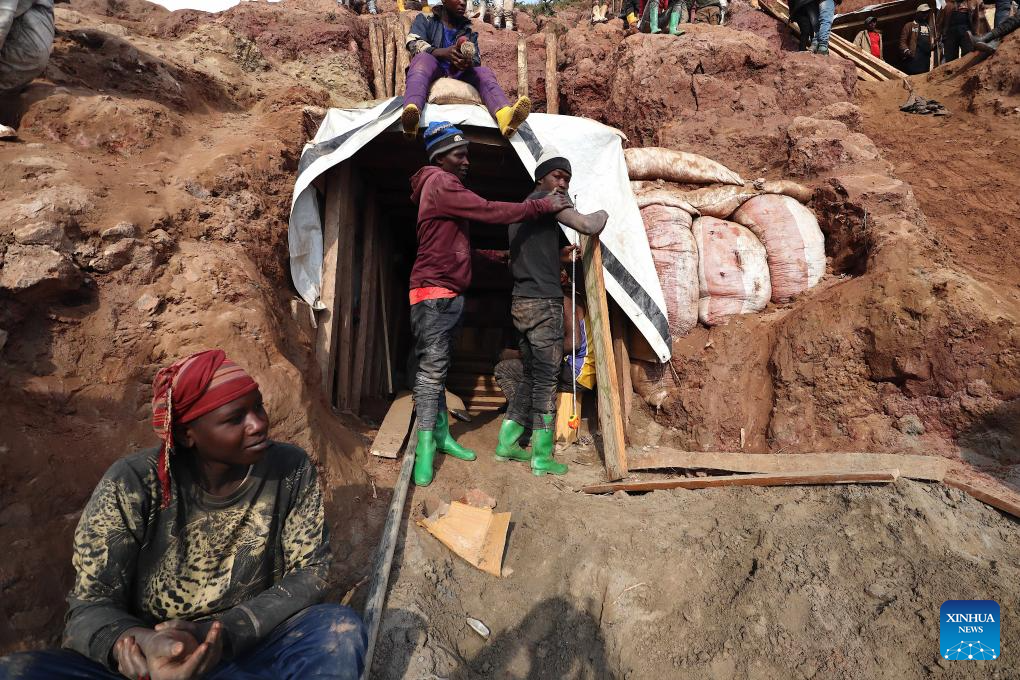
US companies eye Congo mining assets, including Ru...
20 Apr, 2026 14:05
ERG expects limited Congo cobalt hydroxide output ...
20 Apr, 2026 14:17
BHP eyes large-scale copper exploration in Zambia,...
21 Apr, 2026 08:45
Copper Intelligence targets untapped eastern Congo...
21 Apr, 2026 08:51
Zambia's Luanshya Copper Mine to restart in August...
23 Apr, 2026 12:59
China's Huayou reports first lithium salt exports ...
28 Apr, 2026 08:05
African Rainbow plans nickel mine restart after of...
28 Apr, 2026 13:50