Mining Other

DRC holds ~300 Chinese nationals, halts copper trucks after Kolwezi unrest


By: OrePulse
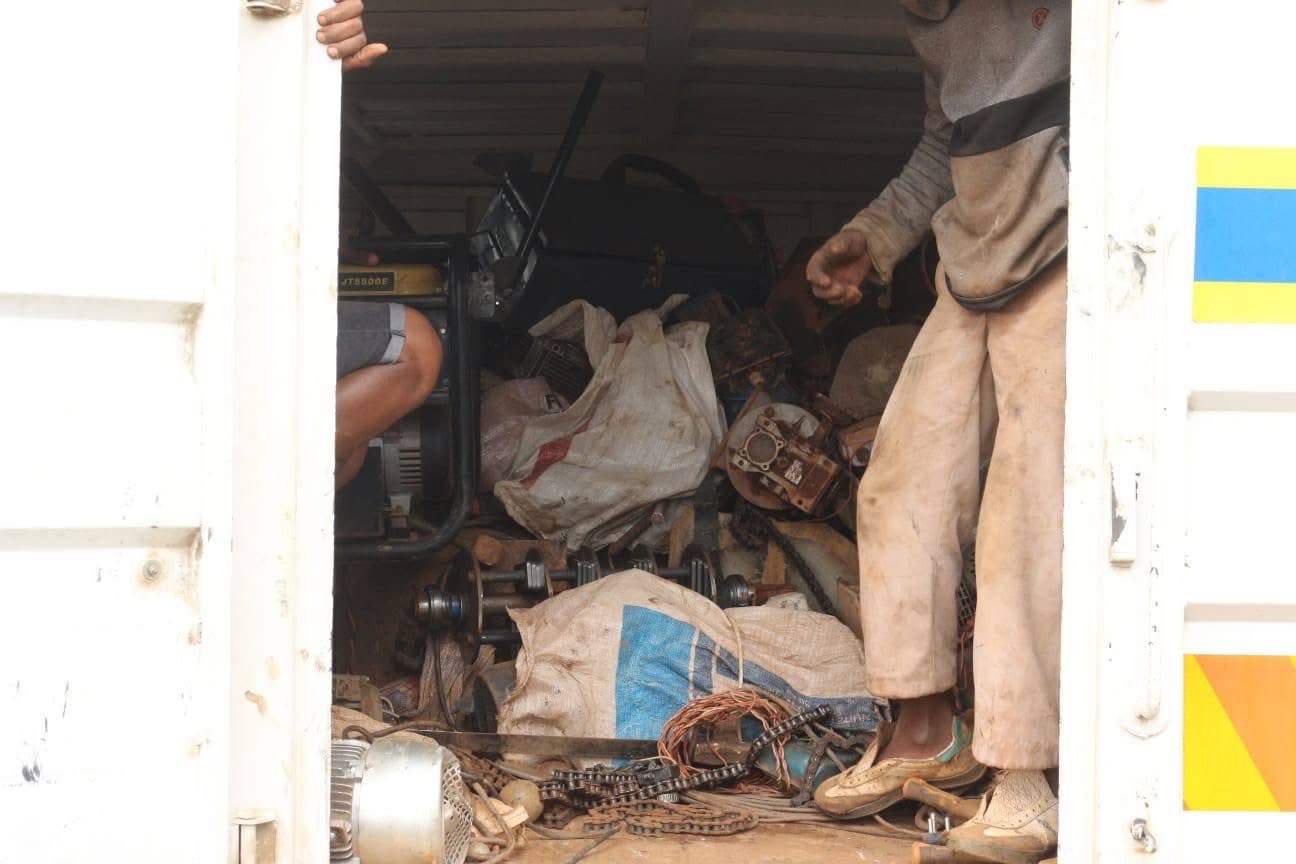
Security services in the Democratic Republic of Congo's copper belt were reported to have detained roughly 300 Chinese nationals and intercepted hundreds of trucks hauling copper and cobalt through Lualaba province in October, in an enforcement effort that also triggered protests by artisanal miners in the regional hub of Kolwezi.
The detentions were reported to have occurred across the copper belt surrounding Kolwezi, with those held suspected of mining on concessions licensed to other companies. The operation reportedly involved personnel from two state agencies, the National Security Council and the Directorate General of Migration. How many of those detained remain in custody, and whether any have been formally charged, could not be confirmed.
The detentions came to light in reports published around October 16, roughly three days before artisanal miners began demonstrating in Kolwezi. The two episodes were reported separately, and it was not clear whether the protests were a direct response to the detentions or were driven mainly by a related set of inspections at mineral buying centers and processing facilities in the city. Both episodes were reported within the same week and across the same stretch of the copper belt around Kolwezi.
Mineral buying centers in Kolwezi typically serve as the point where artisanal miners sell raw copper and cobalt ore to traders, who then move it on for processing or export. Those inspections, which miners said had limited their ability to sell ore, prompted artisanal miners to take to the streets of Kolwezi on October 19. Witnesses described burning tires and stone-throwing during the demonstrations, and said police responded with tear gas. The unrest disrupted traffic and commerce in parts of the city.
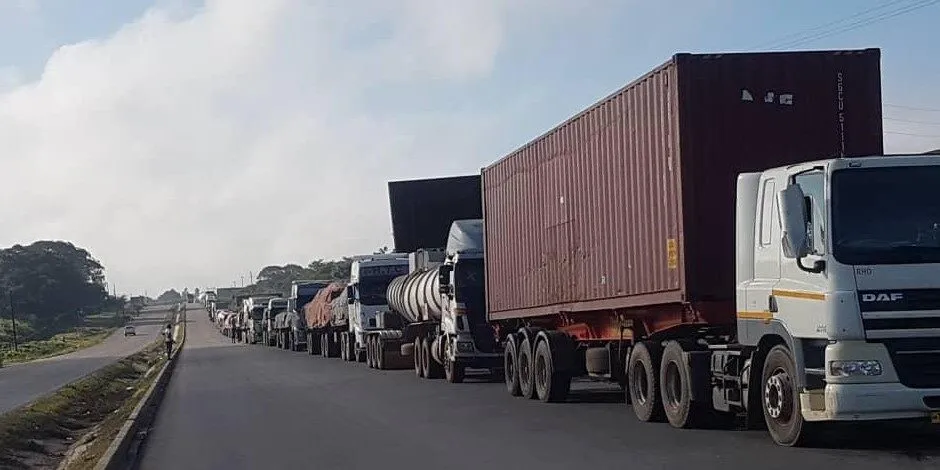
Separately, security services were reported to have halted hundreds of trucks hauling copper and cobalt across the province while transport paperwork was checked. Lualaba provincial authorities said they had set up a commission to examine the documentation used to move minerals out of the region, part of a broader effort to verify that shipments originate from licensed concessions.
Lualaba province, in the southeastern Democratic Republic of Congo, sits at the center of the country's copper-cobalt belt, among the world's largest sources of both metals. Copper and cobalt from the region feed into global supply chains for electronics, construction materials and electric-vehicle batteries.
The Democratic Republic of Congo is the world's largest producer of cobalt and one of Africa's leading copper producers, with Lualaba accounting for much of that output. Large-scale operators such as Glencore, Zijin Mining and Ivanhoe Mines hold government-issued concessions across the province, while artisanal miners, who typically extract and sell smaller volumes of ore and sometimes work on or near land covered by those concessions, make up a parallel supply chain that has periodically put them at odds with license holders and with authorities enforcing concession boundaries.
Zijin Mining's Kolwezi copper mine and Glencore's Kamoto Copper Company both operate in the immediate Kolwezi area, among the larger industrial producers in the district. Roughly 25 kilometers to the west, the Kamoa-Kakula copper complex, a joint venture between Ivanhoe Mines and Zijin, has not been identified as directly affected by either the detentions or the transport-document checks, and no disruption to its output has been reported.
The current status of the detained individuals, the intercepted trucks and the mineral shipments held for inspection remained unclear, as did how long the document checks and the work of the provincial commission are expected to continue. A fuller account tying the detentions, the truck checks and the Kolwezi protests together emerged in reporting that circulated on October 20, four days after the detentions were first disclosed.
Related Articles

Oil prices seesaw as markets weigh IEA reserves re...
11 Mar, 2026 08:40
Strengthening mining value chains to maximise Afri...
16 Mar, 2026 10:27
Ethiopia's export revenue hits record 5.9 bln USD ...
16 Mar, 2026 13:01
Canadian firm launches feasibility study for Moroc...
16 Mar, 2026 13:15
Harena signs exclusivity agreement to acquire US r...
17 Mar, 2026 07:26
S&P downgrades Botswana as diamond sector faces gl...
17 Mar, 2026 07:36
Botswana Minerals reports significant exploration ...
17 Mar, 2026 07:41
Tantalite prices jump to over two-decade high on C...
17 Mar, 2026 07:44
JSW Steel wins rights to develop coking coal mine ...
17 Mar, 2026 07:45