
Base Metals

DRC Copper Traders Group Plans Local Smelter in Kasaï Oriental


By: OrePulse
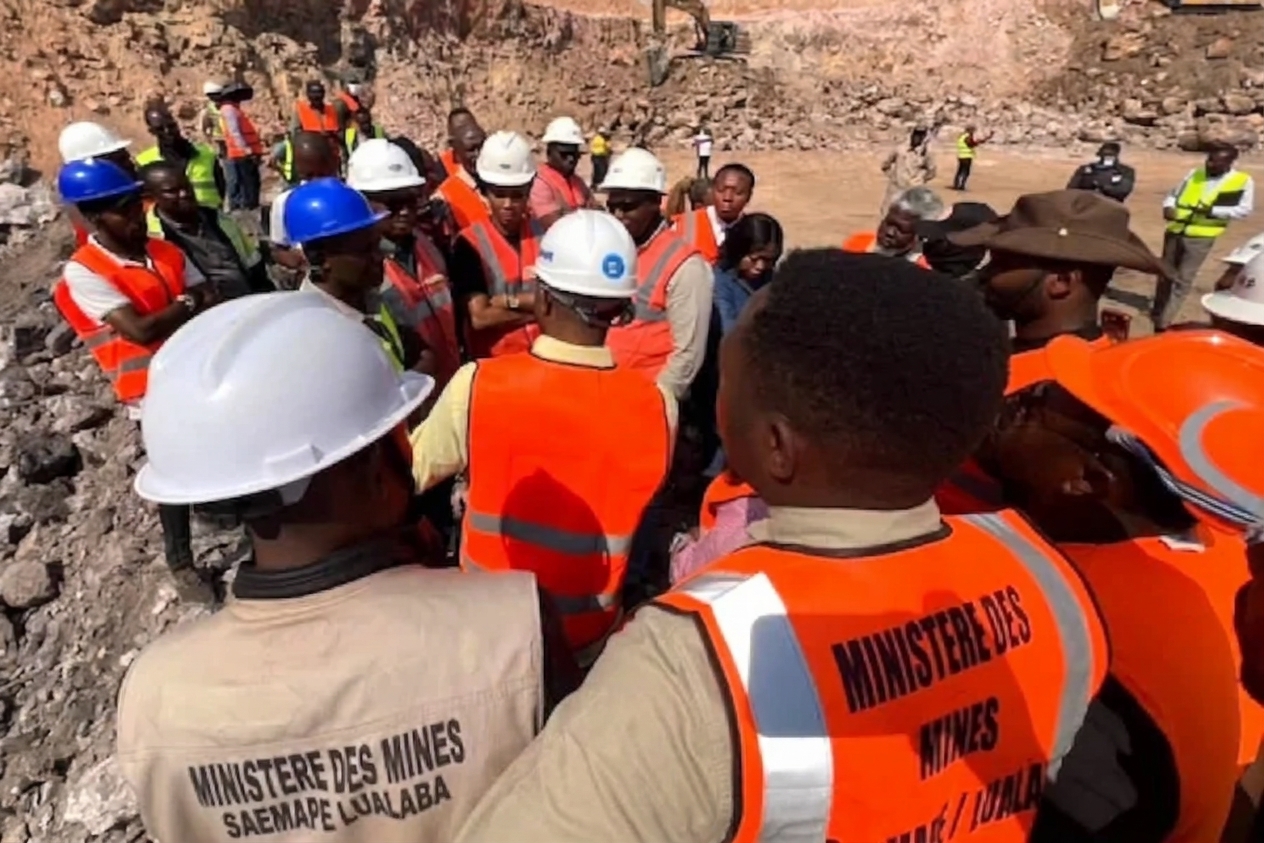
A group representing Democratic Republic of Congo copper traders has presented plans for a local smelting furnace in Kasaï Oriental province, intended to produce blister copper domestically instead of trucking raw ore out of the province to the established processing hub of Likasi, in Haut-Katanga, for treatment.
Cominec, the Corporation des exploitants et négociants du cuivre au Congo, presented the plan in Kinshasa on Thursday, November 20, 2026, describing local smelting as the next step in developing industrial activity around copper deposits in the province. Cominec president Bertin Tshibaka said mining output on its own does not guarantee that local communities benefit economically from the resource.
The project was presented to Kasaï Oriental Governor Jean-Paul Mbwebwa on November 16, 2026. According to Cominec, local miners in the province currently struggle to sell their output, facing multiple transport charges to move ore to Likasi because Kasaï Oriental itself has no local ore-processing facility.
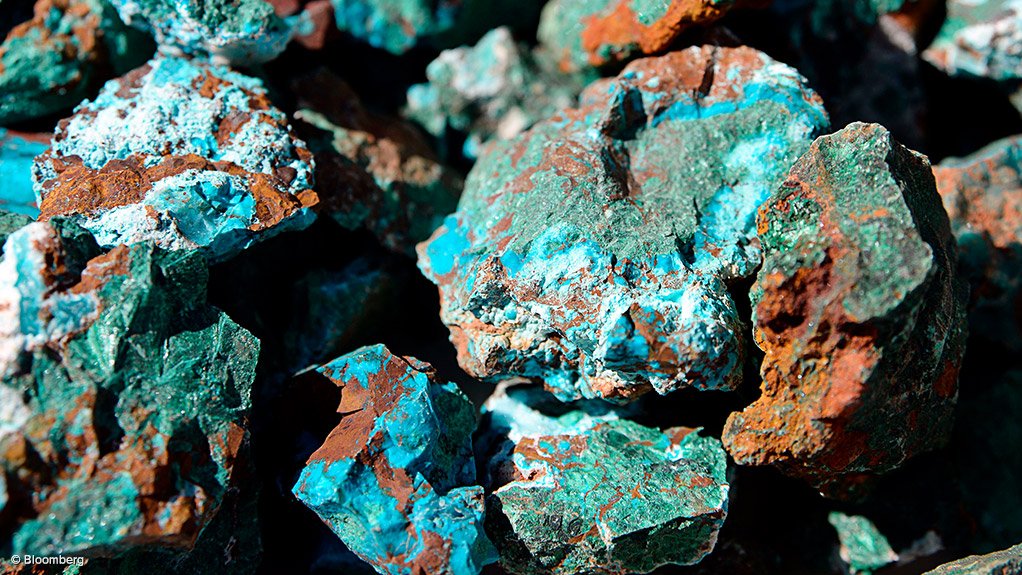
The planned furnace would process ore from the Katende, Matshia and Kabeya-Kamwanga deposits into blister copper of an announced purity of 90% to 98%, according to Cominec. The Katende deposit, in Miabi territory, had between 3,000 and 4,000 registered artisanal miners as of July 2026, according to Jean-Paul Kapongo, a former director-general of the national artisanal and small-scale mining service, SAEMAPE. In early November, the provincial government announced plans for a trading center at Katende intended to connect ore producers with buyers.
Cominec said the planned smelter would burn coal instead of drawing on the electrical grid, with supplies to come from Zambia now that an earlier coal supply from Gécamines at the Luena site has ended. The resulting blister copper would be exported to China, according to the group's presentation.
Before the furnace can begin operating, partners already active in Katanga's copper sector are expected to carry out preparatory work in Mbuji-Mayi to clear overburden from the proposed sites. Cominec said it has identified about 17 locations showing copper indications, concentrated mainly in the Miabi and Kabeya-Kamwanga areas. The group said the project's launch depends on completing that preparatory work and on obtaining the necessary regulatory authorizations.
On logistics, Cominec said it is considering routing exports through the Lobito corridor in Angola rather than through Lubumbashi, the route traditionally used for DRC copper exports. Tshibaka estimated the distance from the Kasaï Oriental project sites to the port of Lobito at about 2,000 kilometers, compared with roughly 2,900 kilometers to the port of Dar es Salaam in Tanzania. Cominec's presentation cautioned that raw distance alone would not decide which corridor is more competitive, noting that the choice would instead hinge on transport pricing, available infrastructure and the conditions under which cargo could transit each route.
If built, the smelter would add a domestic copper-processing point in Kasaï Oriental, outside the Haut-Katanga region that has traditionally hosted the DRC's copper-processing capacity, according to Cominec's presentation.
Related Articles
Ivanhoe says revised report cuts 2026 copper outpu...
02 Apr, 2026 09:51
Congo quarterly copper exports down almost 15% as ...
15 Apr, 2026 12:38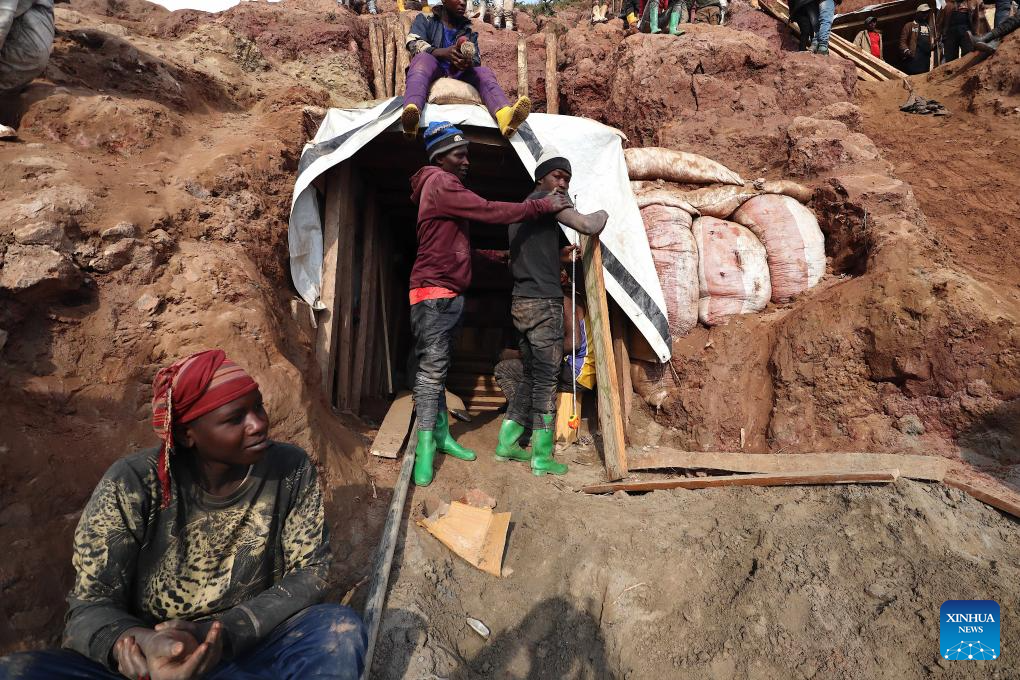
US companies eye Congo mining assets, including Ru...
20 Apr, 2026 14:05
ERG expects limited Congo cobalt hydroxide output ...
20 Apr, 2026 14:17
BHP eyes large-scale copper exploration in Zambia,...
21 Apr, 2026 08:45
Copper Intelligence targets untapped eastern Congo...
21 Apr, 2026 08:51
Zambia's Luanshya Copper Mine to restart in August...
23 Apr, 2026 12:59
China's Huayou reports first lithium salt exports ...
28 Apr, 2026 08:05
African Rainbow plans nickel mine restart after of...
28 Apr, 2026 13:50